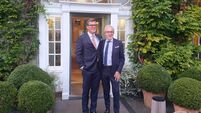
Adams: Development of SF ‘frustratingly slow’
And he admitted the party had not connected with the public in the way Fine Gael and the Labour Party had.
However, he said it is still new to fighting elections and was learning.
“We need to get our act together... because we are not seen as having brought forward a relevant alternative,” he said.
In the local elections the party made some gains, in places such as Cork and Limerick, but it was rounded on in Dublin and subsequently suffered two high-profile defections.
And on Monday Sinn Féin gathers in Navan, Co Meath, for a special meeting of senior activists and its leadership to discuss how it can move forward and what it has to do to prevent it sliding into obscurity.
Critics internally and externally have pointed to the fact the party is in a similar position to where it was early in the decade without the concentration of supported needed to push for Dáil seats.
Mr Adams said its development was “incremental and it is frustratingly slow”.
“We are a relatively young party in terms of electoral politics and we have to build,” he said.
The Sinn Féin president has resisted any calls to step aside despite the defection of two Dublin City councillors just weeks after getting elected under the party’s banner.
Mr Adams said the door was open to councillors Christy Burke and Louise Minihan to rejoin the party but the leadership had not considered offering an olive branch.
He said he was “personally disappointed” in both councillors because he had canvassed for them in their neighbourhoods before the June elections.
However, internal grumblings with the party’s policy, its direction and its headquarters do not bother him.
“I would be more annoyed and concerned if Sinn Féin members were not engaging in the issues,” he said.
Monday’s meeting will also decide how the party is to position itself ahead of the referendum on Lisbon.
Before the European elections it made anti-Lisbon arguments but would not commit to a position until the legal guarantees were published.
Mr Adams said the Ard Comhairle will rule on its policy but in his view it was “exactly the same treaty as the last time around”.

CONNECT WITH US TODAY



Be the first to know the latest news and updates