Government to pay out €350m of benchmarking award within weeks
An estimated 250,000 workers due to benefit will receive the first quarter of the award, backdated to December 2001. The increases, ranging up to 25%, are the result of the work of the public service benchmarking body, which published its report last June.
The exercise to bring public servants’ incomes in line with private sector counterparts was a crucial element of social partnership. The terms were accepted by unions along with the Sustaining Progress deal in March.
However, the country’s 45,000 school teachers are angry at delays, as they had expected to receive the first 3.25% of their 13% overall increase this month. They were told in recent days that the Department of Education will not now make the first payments for another three weeks.
The education sector will account for almost 80m in back payments, almost 90% of it to teaching staff.
Primary school teachers will receive their cheques, for around 1,400 for those with 10 years’ service, on June 5. Their second-level colleagues on the same salary scale will be paid a week later. Senior teachers with at least 20 years’ service could be in line for payments of up to €3,000.
Peter McLoone, chairman of the Irish Congress of Trade Unions’ public services committee, said there was some disquiet about the delays.
“Payments to the education sector were due to have been paid around now, but they have been told they will get the money next month,” he said.
“The awards were approved when ICTU accepted the national pay deal at the end of March, but it’s the nature of things like this to take some time to be paid out,” he said.
The annual public service pay bill will have risen by around 1.1 billion when the full increases are implemented by June 2005.
For around 30,000 civil servants due increases of 8.5% to 14% under benchmarking, the first quarter of the award will be made by mid-June. The same timescale applies to the initial payment of 4% to 14% increases for local government employees. Health sector workers will receive the first quarter of their salary rises, of between 5% and 25%, within six weeks.
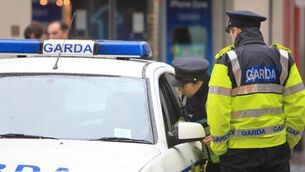
The benchmarking body assessed workers in each sector to compare their pay and conditions with those in equivalent private sector jobs. Among the highest increases were raises of 25% to ambulance grades, 18% to senior physiotherapists, 16% to nursing directors, garda superintendents and chief superintendents, and 15% to deputy and assistant prison governors.
CONNECT WITH US TODAY



Be the first to know the latest news and updates