Bells toll for Fastnet victims
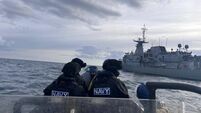
“Going Home”, a lament by lone piper, leading seaman John McGarry, was drowned out by unfavourable weather elements and the drone of engines from a flotilla of boats that accompanied the Navel vessel LE Emer at a designated memorial site off West Cork.
In the presence of survivors and some of the men who performed heroic rescue deeds during the infamous tragedy, a wreath was laid on waters just outside Cape Clear Harbour. The LE Emer represented the Naval Service in the remembrance event where the now decommissioned LE Deirdre played a pivotal rescue role in 1979.
President Mary McAleese, in a message conveyed to the organisers, said the ceremony was an important part of the healing process for the families of the deceased, their sailor friends and those who survived.
The President also saluted those involved in the rescue. At the end of the ceremony at sea, a further eight bells were sounded to mark the end of the watch aboard ship - and the first commemoration of the disaster.
A simple memorial stone and a sculpture bearing the names of the men who died in the storm force crossing between Cowes and southern Ireland in 1979 have been erected on Cape Clear. Organiser Eamon Lankford said the island community of Cape Clear shared in the sense of loss on that tragic day. “This ceremony was an attempt by the people of the island to be at one with the people of the world in remembering those who died. The island people never met those who died but they can identify with them.”
Nine miles out into the Atlantic, Cape Clear is the closest point of land to the Fastnet Rock, four miles from the Gaeltacht island.
The race was a reminder of man’s vulnerability before the elements.
Yesterday, Terence Johnston of the RNLI accepted a token presentation in honour of the lifeboat crews from the south coast of Ireland who raced in the dark night to the rescue. Rosslare, Dunmore East, Ballycotton, Courtmacsherry and Baltimore lifeboats were tasked to the scene to assist helicopter crews.