Customer energy bills are not bearing a 'disproportionate brunt' from data centres, regulator says
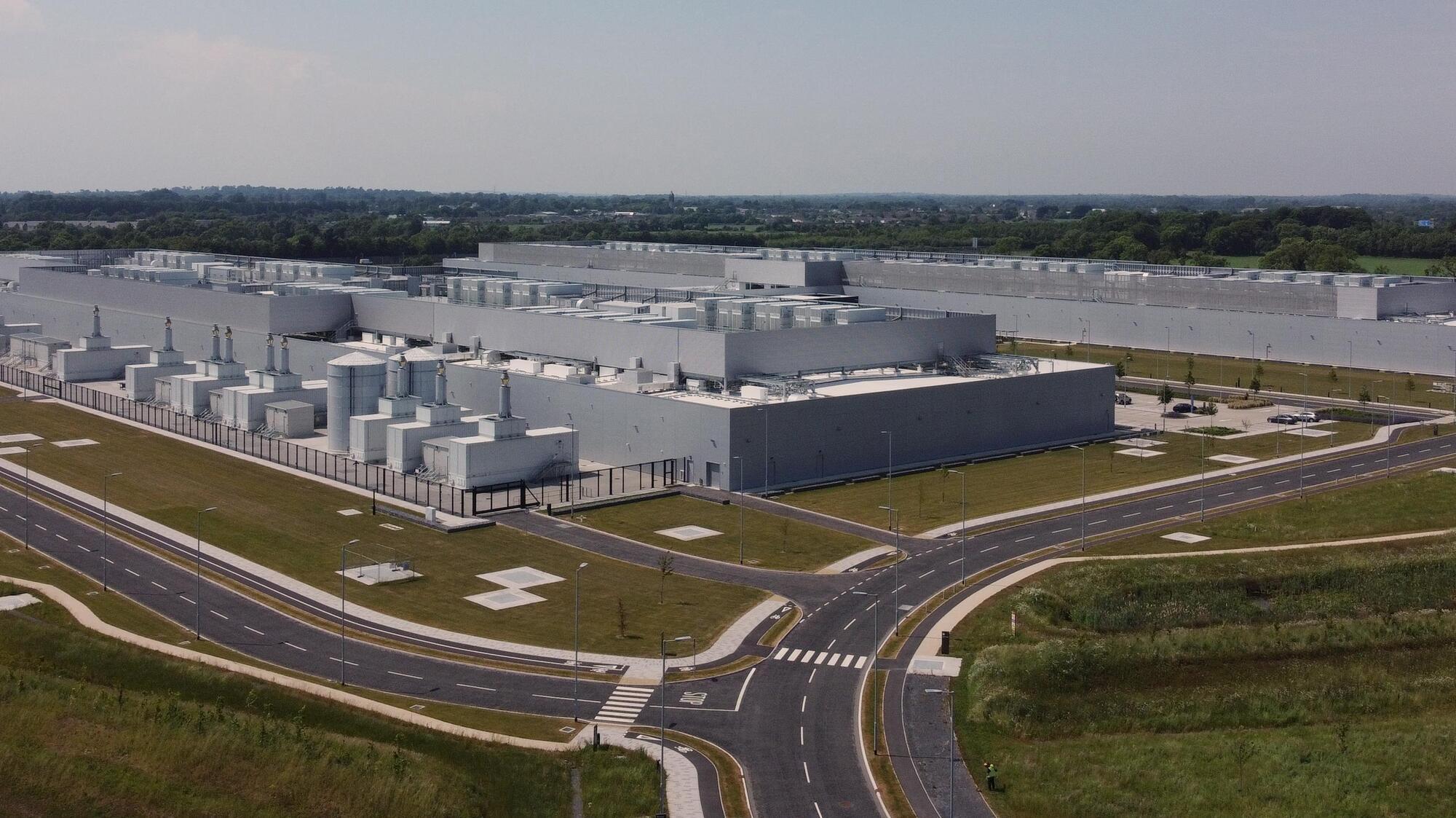
Commission for Regulation of Utilities chair Fergal Mulligan said: 'At the moment, data centres carry their fair proportion of network charges.' File picture: Niall Carson/PA
Irish households paying the highest electricity costs in Europe are not bearing a “disproportionate brunt” from data centres in their bills, the chair of the energy regulator has said.
The Oireachtas Energy Committee has also heard that developing nuclear power in Ireland would be “extraordinarily intensive” in terms of investment, could take up to 15 years, and have “unforeseen consequences”.
Read More
Commission for Regulation of Utilities chair Fergal Mulligan said he "didn’t disagree" that Ireland faces higher electricity costs compared to our EU counterparts but research from the regulator showed prices largely reflect the underlying costs in the system.
“At the moment, data centres carry their fair proportion of network charges,” he said. “One data centre could be paying millions for network charges. Now we are carrying out a network tariff review that we have just commenced that ensures they are carrying their fair share.
“We are not saying today that customers are bearing a disproportionate brunt of data centres — not at all.”
Earlier this week, the CRU published an interim report on competition in the energy market in Ireland. The report suggests that the profit margins from energy suppliers do not point to “excess profitability”.
It said household price surges are primarily driven by wholesale costs, charges being passed through, and network investments.
It came after figures last week from Eurostat suggested Irish households are paying the highest electricity bills in Europe.
In his opening statement to the Oireachtas committee, Mr Mulligan said its analysis showed that retail prices broadly reflected underlying cost drivers.
“That said, we recognise that this does not answer all of the questions being raised, particularly regarding the speed of passthrough from wholesale prices to retail prices, the extent of any price reductions, supplier margins, and the overall effectiveness of competition or affordability,” he said.
Separately, Taoiseach Micheál Martin said last week Ireland should seriously examine nuclear power as an option into the future.
On this topic, CRU Commissioner Jim Gannon referenced Ireland’s lack of it and other energy sources which leaves us reliant on natural gas and other factors that make our bills so high.
“Competition cannot solve the fact that that by comparison to the average level of wires in Europe, we have four times that in Ireland,” he said. “In terms of any maintenance, upgrade, flexibility, decarbonisation, you need to multiply by that.
“We are significantly dependent on natural gas. We do not have significant hydro. We do not use coal anymore, we do not use peat anymore and we do not have nuclear.
"So, we are limited in terms of what we depend on when the international price for gas spikes, as it has done following Russia invading Ukraine.”
When pushed on the possibility of Ireland generating nuclear power in future, Mr Gannon added it would be a “major policy”, would require intensive capital investment and take 5-15 years to develop while also referencing "unforeseen consequences”.

CONNECT WITH US TODAY



Be the first to know the latest news and updates