You can buy an electric car, but can you afford to charge it away from home?
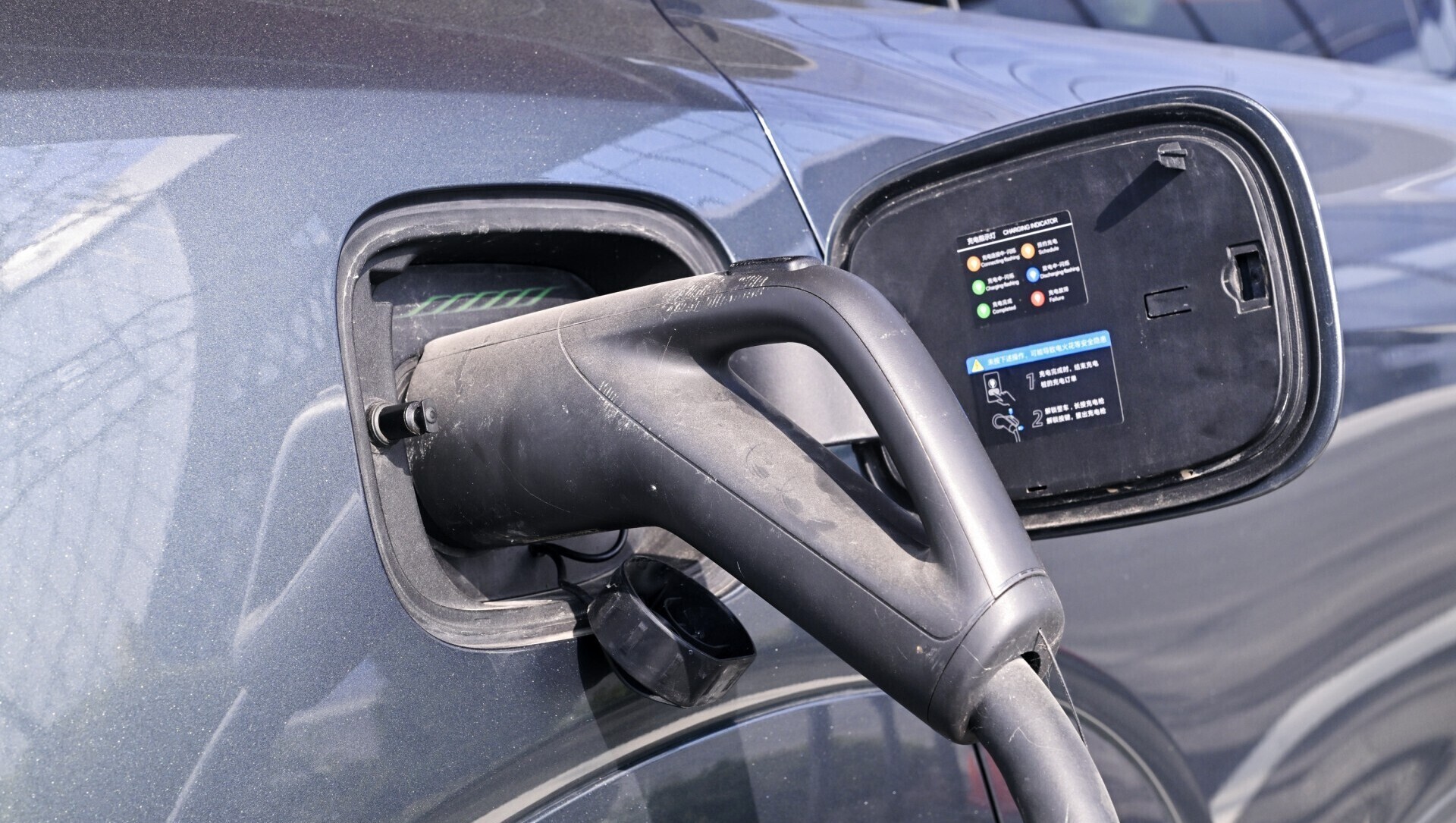
ESB has raised public electric car charging prices for the second time in 2026, with motorists facing costs of up to 85c per kWh as Ireland’s EV charging network struggles to keep pace with demand.
You might say that “It’s the charging network, stupid” when it comes to motorists making a decision about buying an electric car.
Certainly, there’s a solid argument to be made that if you can’t put in a charging point at home to avail of the cheapest possible electricity prices, then buying an EV is not an option.
That was underlined this month when the ESB, for the second time this year, hiked its charging prices for those using its public charging network to the point where public charging now costs as much as six times the rate of charging at home. This means that if you live in a terraced house or in an apartment complex where getting a home charger is difficult or impossible, you’re effectively being priced out of the electric car revolution.
The ESB raised its public charging costs to 60c per kWh for its slow chargers in July, with a 70c per kWh cost for its fast chargers.
Both of those rates have now increased significantly. If you’re paying for the charger via the ESB e-Cars smartphone app, the cost of using a slow charger — officially a charger of up to 49kW charging power, which effectively means a kerbside AC charger — you’ll pay 70c per kWh, while the cost of using a fast charger — which means anything from 50kW of DC power, which barely qualifies as fast charging these days, all the way up to the most powerful 350kW chargers — has risen to 83c per kWh.
That’s not the end of it. If you’re not using the ESB app and are simply tapping a credit or debit card to pay, then the prices are higher again — 72c per kWh or 85c per kWh.
You can get a discount on those prices by signing up for a €4.79 monthly subscription, which ESB calls Charge Lite. This brings the prices down to 65c per kWh for slow charging and 78c per kWh for fast charging; both still considerably more expensive than the old pay-as-you-go rates.
Read More
There’s a further level of discount available if you sign up for a new higher tier of subscription, priced at €6.99 per month, which is called Charge Smart and which cuts the cost of charging to either 52c per kWh for slow charging, or 66c per kWh for fast chargers. However, that extra discount only applies between the hours of 9pm and 7am, which rather limits the usefulness of the higher-priced subscription for most drivers.
The “overstay fees” — as good an admission as any that there is an insufficient number of charging points nationwide — remain the same at 50c per minute after 45 minutes on a fast charger, or after 10 hours on a slow charger.
This second price rise by the ESB in 2026 now means that charging a car has become significantly more expensive. Taking the bestselling Volkswagen ID.4 electric SUV as a baseline, it means you’ll now spend €53 to do a full charge, from flat to full, on a slow charger, or €39 to charge from 10-80%.
All of which comes at a time when the number of charging points is lagging seriously behind the sales of new electric cars. EVs have overtaken other types of car — petrol, diesel, and hybrids — this year, and now hold 27.74% of the Irish market for new cars (at least going by registration figures, which are related to, but not necessarily the same as, sales).
However, as many an owner of an electric car will know, charging when you’re away from home is still a significant issue. While great strides have been made from the early years of electric motoring in terms of getting charging infrastructure up and running, the fact is Ireland is still behind the curve when it comes to activating charging points, not to mention one of the most expensive for charging costs.
Ireland has about 95 electric car chargers per 100,000 people, far less than the Netherlands’ 820. With new EV sales rising dramatically this year — up by 57% to 35,179 at the time of writing — the gap between the number of electric cars on the road and chargers available to service them is only going to grow.
Initially, EV advocates claimed that the public charging network was less important, given that 80-90% of all charging takes place at home, on the cheapest possible rates, and usually overnight. While that is statistically true, such statistics are cold comfort for an individual, many kilometres from home, looking for an available, working, and affordable charging point.
How far behind are we? “There has been a marked improvement in the pace and volume of charging infrastructure, with several hundred new charge points delivered nationally,” says John O’Keefe, chief executive of charging provider ePower.
“In percentage terms, the increase is on a par with the increase in EV sales, but in real numbers we still need to install hundreds more to catch up on previous years and more than double today’s number by 2030. This means building more than 2,000 charge points in the next three years — as many as have been built in the last decade.”
Ireland is, at least, not alone in this regard, which may be cold comfort. According to ChargePoint, a global leader in charging solutions, EV usage is outpacing charging installation by as much as 20%.
It’s not just the demand for volume that might be a problem. The demand for charging power will also be significant, as car makers ramp up the capability of their models for faster charging and more convenient usage. Already, cars are starting to enter the market capable of more than 400kW of charging power on a DC high-speed charger, something that no charger in Ireland is currently capable of meeting.
Quite simply, Ireland’s network couldn’t cope with such demand right now. Indeed, there are questions as to whether the electricity grid is actually capable at all of handling future electric vehicle demand.
That’s not something the ESB is currently worried about, however. A spokesperson said: “The continued growth in electric vehicle adoption is a positive development and reflects growing consumer confidence in the transition to cleaner transport, which is in line with the Government’s climate action plan.
“While demand for charging infrastructure is increasing, ESB Networks does not consider a shortage of electricity on the network to be a barrier to EV growth. Under its current investment programme, ESB Networks will invest up to €13bn in the electricity network between 2026 and 2030 to support housing, economic growth, and climate action.”

BLACK FRIDAY
Already a subscriber? Sign in