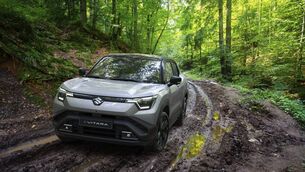
OPEL FRONTERA EV
Rating
★★★★☆
Price
From €24,606 - €31,165 as tested Power long-range motor offering 54kWh and 113bhp
Range
Claimed 399km, but just over 300km in reality
The Spec
Nearly remarkable at this price point
Verdict
Something of a revolutionary in EV terms – especially at the price
BY NOW everyone involved in the motor trade — and in particular dealers and their customers — knows that getting into an EV is probably going to cost you more than it would do to drive away in a regular petrol or diesel car.
It’s become something of an accepted fact that electrics are more expensive than traditional ICE options, but a couple of manufacturers are determined to change that status quo.
Obviously the Chinese have been at the forefront of cheap motoring options and, with something of an expertise in EVs, even if the technology they’re using is pretty much old-hat by comparison with what the Europeans and Japanese are now coming up with.
Their EV contenders have pretty much blitzkrieged markets all over the world, and here in Ireland, it has been no different. Chinese manufacturers have not yet actually cracked the top 10 for makes here, but the BYD Seal U and the Sealion 7 (15th and 42nd respectively), the MGS5 (61st) and the Xpeng G6 (78th) are all having a significant impact on the sales chart.
Read More
The MG4, which is soon to be replaced, was also a big seller in the early part of the Chinese invasion and will be even more popular when the new one hits the streets.
While European, Japanese, and Korean manufacturers struggled initially against this onslaught, they’ve fought back with considerable vigour and such as the Bz4X from Toyota, the EV series from Kia, Hyundai’s Inster, and a slew of models from Stellantis are all making an impact.
Indeed, looking down the official SIMI sales figures, one car stands out as having made an inordinate effect on consumer trends here — the Opel Frontera.
Despite the nameplate having had a somewhat inglorious past as a terrible SUV, punters appear to have ignored (or are ignorant of) the nameplate’s history and are now looking at where the value is in dealer showrooms.

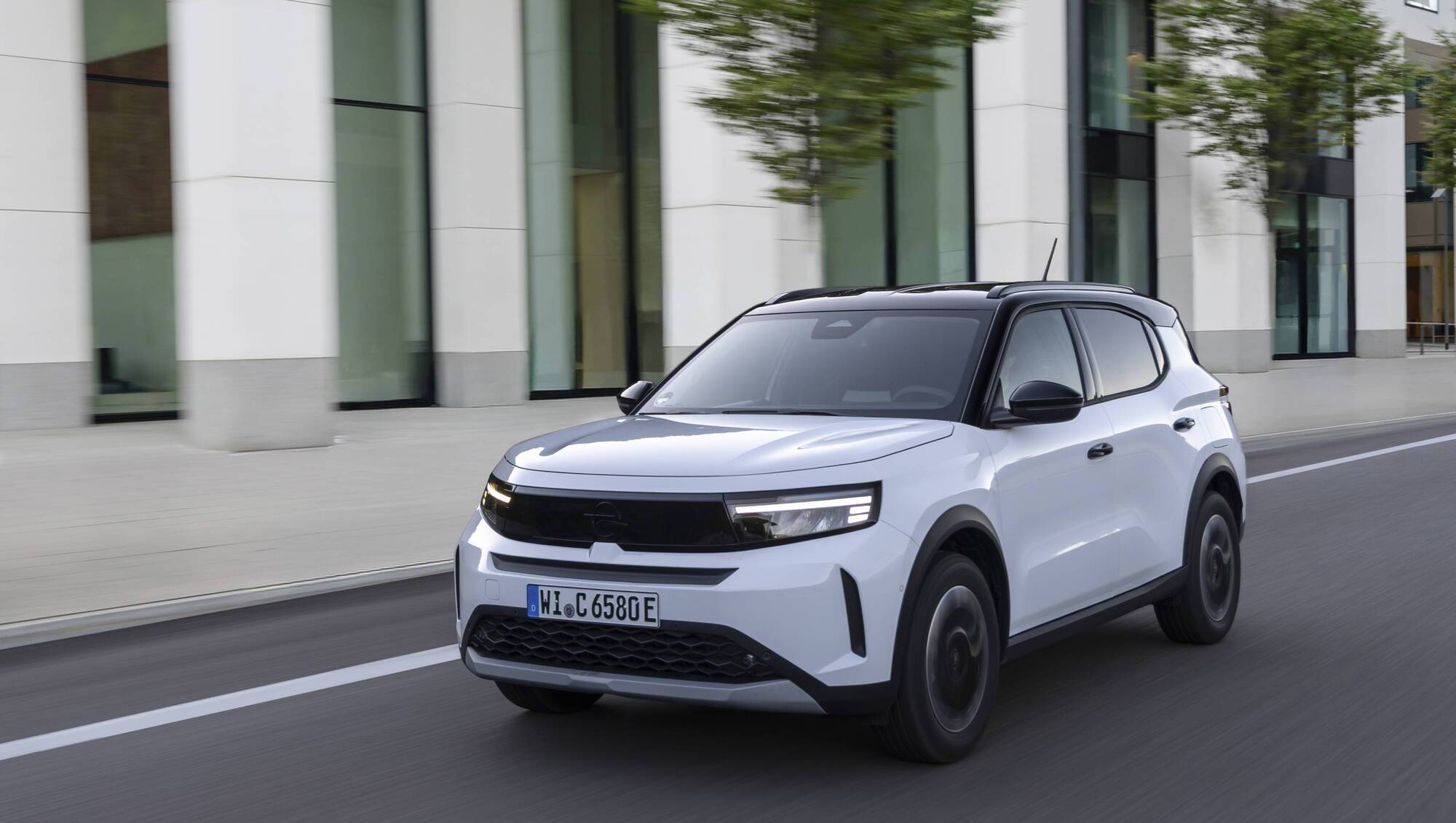
The Frontera’s current 18th place on the sales chart is due, variously, to its somewhat funky look, excellent kit levels, practicality and — more to the point — its price. And, the fact that the EV version of the car is cheaper than the petrol hybrid model is significantly boosting its appeal.
Opel, of course, is now part of the Stellantis stable and the Frontera is one of several EVs from that quarter to hit the market — except it has a big advantage on many of them: it got in first.
Peugeot, Citroen, Fiat, Jeep, DS, Alfa, and others have all benefitted greatly from Stellantis’ investment in electric technology — and Opel too. The whole thing might have cost billions in funding in R&D, marketing, and production, but it will pay off long-term and put the company’s brands in a very strong place to fight the Chinese.
Opel is at the forefront of that effort and has turned itself from being a broken-down shell of a company into a revitalised and reenvisioned force in the automotive world. It’s actually been a pleasure watching it regather and regenerate.
They’ve produced some good stuff too — the new Mokka is a really good car, the new Grandland too, and the new Astra will be one to watch when it gets up and running. The Frontera too has been transformed from being a co-operative SUV afterthought with Isuzu, into a new, fresh, and very saleable item.
One of its main attributes is that it is cheap in both EV and hybrid formats and tellingly, the EV is the most affordable model in the Frontera range. That is going to stand it in very good stead with punters anyway, but with the ongoing conflict between America and Iran having created something of an oil crisis, buyer focus is once again very EV-focused.
Costing less than €25,000 — as against just under €30,000 for the Hybrid — this Frontera is well placed to make hay in the current market climate, but it is very much worth noting that not only is it a very cheap EV, it is a good one too.
Now, just to clarify things, the price quoted above is for the entry-level Frontera, while this week’s tester was the GS trim with the long-range motor offering 54kWh and 113bhp. It costs €31,165, which is a deal more than the lesser model, but by EV standards, it’s still ridiculously cheap.
What’s more is it is a truly practical family car, it’s very well equipped for the price too, and, all told, represents great value for money.
You could naturally think that there must be some serious drawback here, but I have to confess there was nothing with the car I found to be alarmingly amiss. In fact, having weighed up all the evidence, I had to conclude that this is a formidable EV contender and one which will put Opel back front and centre of market activity.
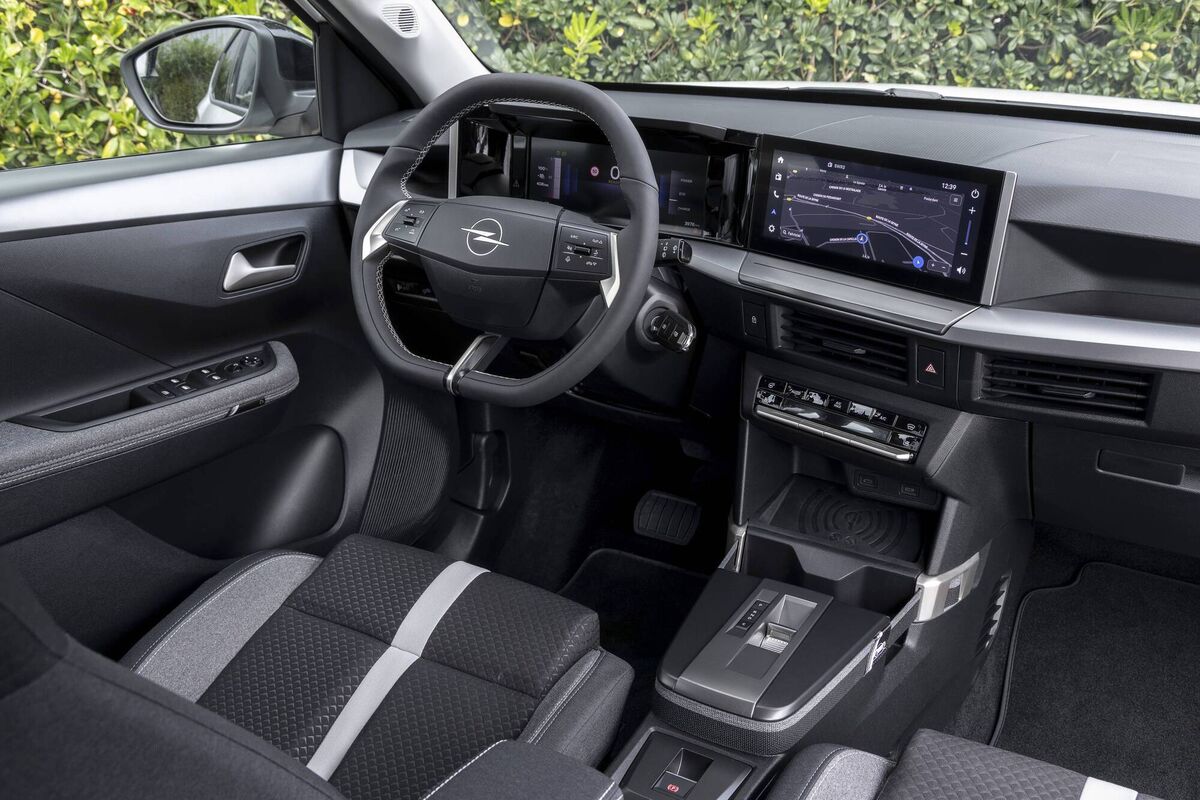
Of course, not everything is absolutely perfect — the range is a tad on the shy side, claimed at 399km, but 305km is more realistic; it’s not exactly opulent inside either, what with plenty of scratchy plastics; and it’s not the prettiest car your eyes will ever fall upon.
By comparison with Stellantis stablemates — the Citroen C3 Aircross and Fiat Grande Panda among them — Opel has chosen to calibrate such as the steering and suspension settings in-house, and they’ve done a good job there.
Ride and handling are bolstered by very effective springing and damping, which allow the car to tackle some of our battered road network with ease. There’s little evidence, too, that torque steer or even understeer will blight your life, and there’s no undue cornering roll either.
With a 12.1 second 0-100km/h time and a 140km/h top speed, it’s certainly not the fastest thing on the block, so you can largely forget snappy overtakes, but it is well-judged overall and very family-friendly.

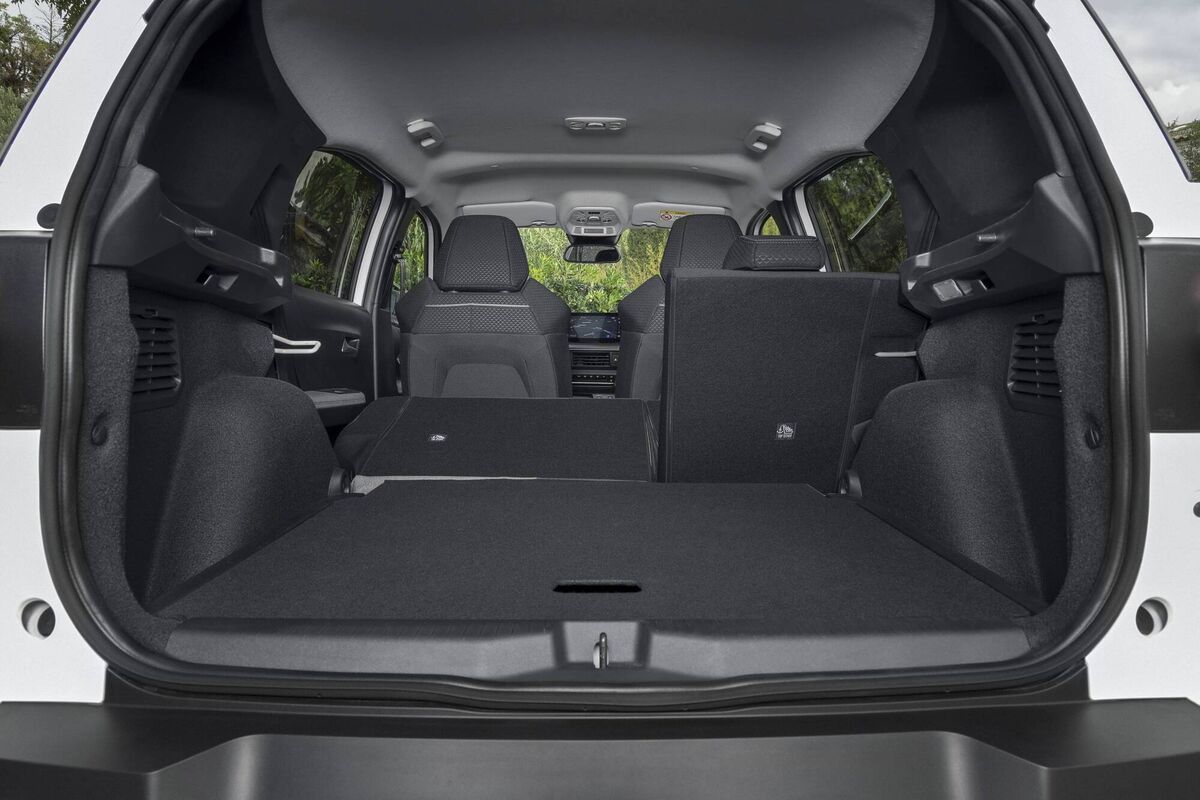
That also applies to interior spaciousness and boot space, but both are capacious. In fact, this is a car that’s everything it needs to be for the punters it’s aimed at and that’s what makes it such a good all-rounder.
FOR those too who are concerned with environmental issues, as is the case with most EV owners, it’s worth pointing out that Opel maintains 85% of this thing is recyclable, so that fits nicely with the Frontera’s mission statement.
Most of the infotainment and stuff like the auto gearbox controls come straight from Stellantis central and are shared across many marques. Serviceable and not unnecessarily distracting would be the best thing said about this end of things. That there’s a button to turn off the lane-changing system is also welcome.
Weighing all this up — and remembering that the Frontera EV’s most immediate market rival is probably the Dacia Jogger — this is a very well-judged car indeed and especially so at the price.
From nearly having vanished off the face of the earth not so long ago, Opel has made a remarkable resurgence. This is firm evidence of that.