Caitríona Redmond: The weekly shop is about to get more expensive — here's how to prepare
Grocery prices are on the rise. Here's why, and here's my advice on what you can do now to prepare

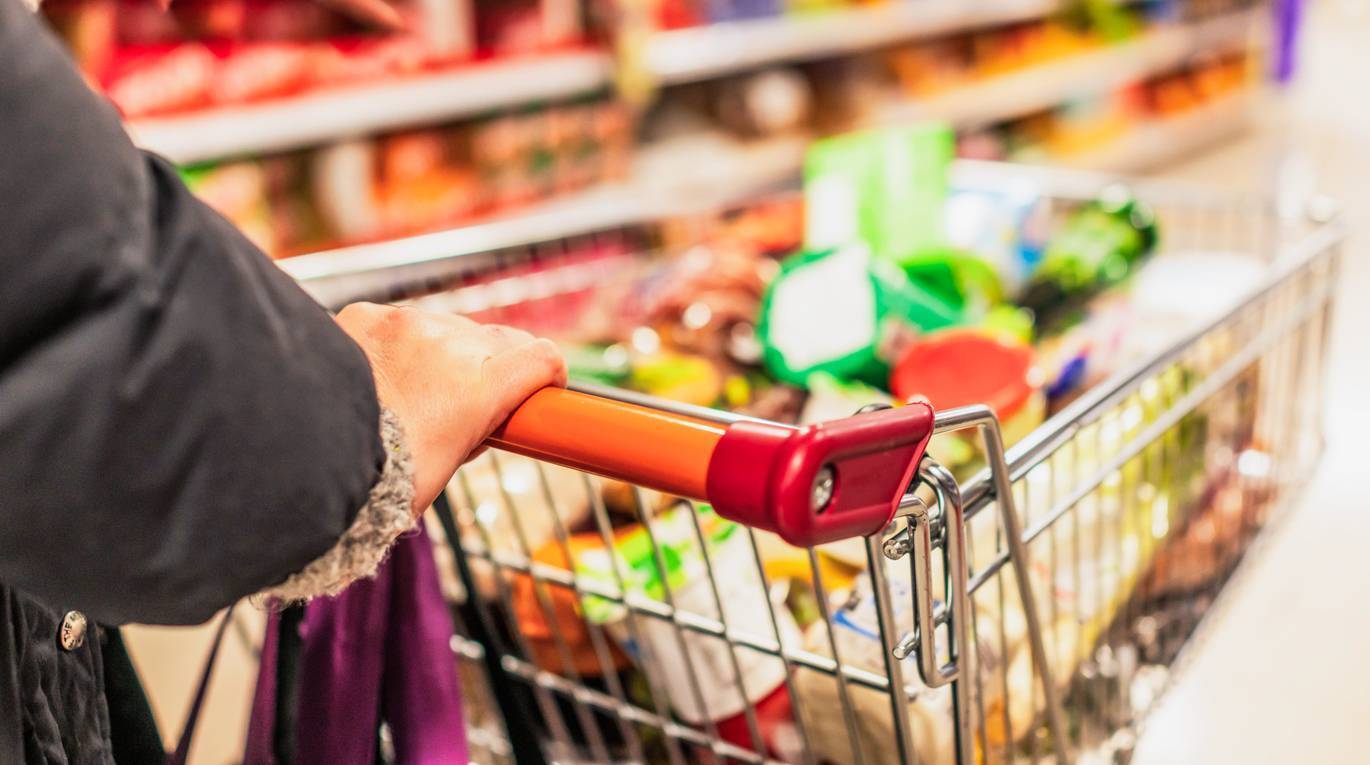
                 If you can, add one or two more ambient items to your shopping over the coming weeks and months, advises Caitríona. 

If you can, add one or two more ambient items to your shopping over the coming weeks and months, advises Caitríona. 

The canary in the coal mine, the Food and Drink Federation in the UK, which represents food manufacturers in Britain, has begun singing, and we should pay attention.

The group is forecasting a significant rise in food inflation in the coming months, arguing that energy, transport, and raw material costs have risen, and manufacturers can’t keep absorbing them. You may rightly ask who the Food and Drink Federation is, and if this UK-based federation will affect prices in Ireland. 

Having reviewed its membership, it’s clear that the price increases they mention will also affect us at home, because members include brands such as Cadbury’s, Mars, Heinz, Kepak, and KP; it’s a who’s who of popular brand names sold on supermarket shelves across Ireland.

To borrow a phrase from social media, the saxophones have been playing louder and louder over the last number of months.

In June, the ESRI issued a report saying the fuel crisis in Iran would significantly affect food prices. They also noted that rising energy prices would place a disproportionate burden on low-income households.

At the time, they noted a nine-month lag between increases in fuel and food prices. Taken at face value and read in June, this pointed to food price increases toward the end of 2026 and into 2027. Since then, the fuel crisis has not abated, and it’s fair to say that there will be a continuing knock-on effect on the price of our food for some time to come.

At that time, we didn’t know what kind of summer Irish and European farmers were going to have. But we know now.

Teagasc has been actively monitoring the situation because the prolonged dry spell caused a serious reduction in grass growth, and has put pressure on fodder supplies. The National Fodder and Food Security Committee met last week to assess the recovery. While grass growth has recovered following the rain, the poor harvest continues to have a knock-on effect.

If we think back to a very wet spring season, farmers then used fodder early and kept livestock indoors longer because of poor ground conditions. Then, over the hot summer, they also fed fodder to their livestock because grazing conditions were poor.

Remember, the supermarket is at the end of a food processing cycle. 

To get the milk to your fridge, someone has had to grow the grass, feed the cow, milk the cow, collect the milk, process it, package it, refrigerate it, and transport it. 

This applies not only to the milk in the fridge but also to your meat, grain, and vegetables. Every stage of producing food for our tables has a cost. When the entire food cycle comes under pressure from poor harvests and high fuel costs, the next logical step is to raise food prices.

Back to the UK’s Food and Drink Federation’s latest forecast, which shows food inflation is expected to reach nearly 4% by Christmas. It says this will peak at 6.4% in July 2027, and be higher than historical averages throughout 2027. 

We don’t live in the UK, but it’s fair to say we have been similarly affected by rising food production and transport costs. Their forecast also allows for the forecasted larger-than-normal El Niño season, which has yet to hit our shores.

Now, I’m not trying to be the harbinger of doom, but I am trying to give you realistic expectations of the prices that you will pay for food in the months ahead.

While the cost of food may not rise as dramatically as it did shortly after Russia invaded Ukraine in 2022, fuel costs are competing with food costs, and that has affected other essential items.

Fuel prices keep rising, and the Government has also decided to increase public transport costs (which seems counterintuitive to me). Insurance in its many forms is rising, and the health insurance industry has already reported a drop in subscribers. 

In the past 10 days, two major energy suppliers have announced significant increases in utility costs. Plus, food prices are rising, albeit more slowly than before; it’s been a long time since food was in a deflationary period.

The first thing we’ll notice is that people stop spending on the fun things. This means fewer meals out, trips to the cinema, and nights out. Consequently, you may hear of more restaurant closures and pub closures in your local area. All of this affects our local towns and communities.

At this time of year, I typically advise people to start filling their supermarket trolley with one or two extra ambient items per week to cushion against the cost of Christmas. Ambient items are shelf-stable products that don’t require refrigeration or freezing. A great example of this is a bag of pasta or a bag of rice.

In light of recent reports on projected food inflation, my advice still stands.

If you can, add one or two more items to your shopping over the coming weeks and months. The reason is twofold: first, you will build up your store cupboard before prices rise too much.

Second, you will get used to spending a little bit extra on your supermarket shop, and when the prices do rise, you’ll feel it less.

REDMOND RECOMMENDS

Now that the schools are back, I’m thinking ahead to Christmas and watching my loyalty points like a hawk. I’ve discovered I can top up my Tesco Christmas Savings at any time on the app or website, or even at the checkout.

This has come in handy as I pop a small amount in each week towards one of the most expensive supermarket shops of the year.

Whether it’s savings stamps in Dunnes Stores or SuperValu, or clocking up the points in Lidl, I’m making my money work for me.

By using the spare change function on Revolut, I’m even saving a little every time I use the card to pay for my shop at Aldi and every other supermarket.

More in this section

Lifestyle

Newsletter

Eat better, live well and stay inspired with the Irish Examiner’s food, health, entertainment, travel and lifestyle coverage. Delivered to your inbox every Friday morning.

Cookie Policy Privacy Policy Brand Safety FAQ Help Contact Us Terms and Conditions

© Examiner Echo Group Limited