Caitríona Redmond: Could fixed discounts on grocery prices help with the cost of living here?
Ultimately, the more Irish people are feeling the impact of higher fuel prices and increased cost of living, the bigger the gap between the ‘haves’ and ‘have nots’ grows.

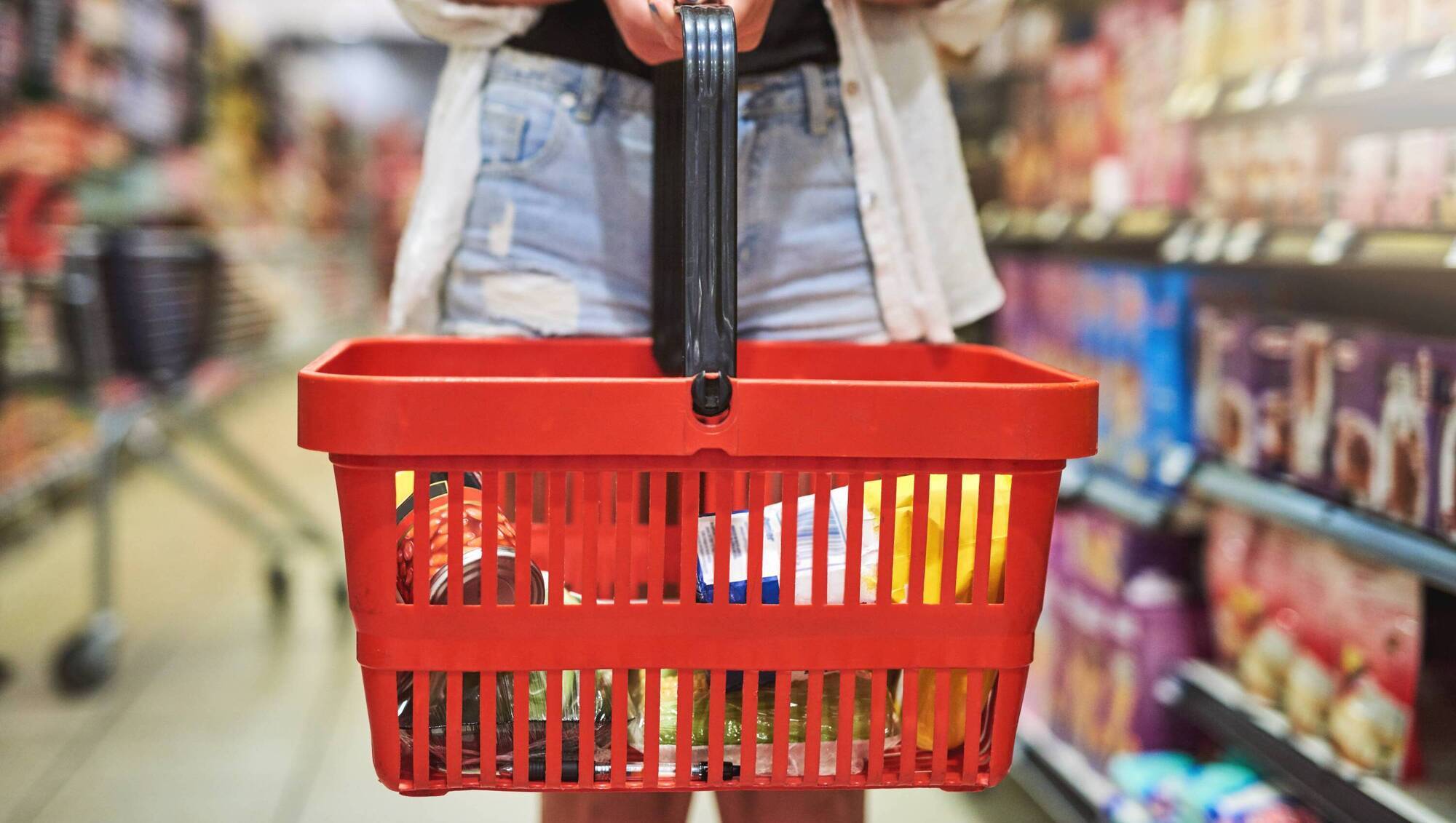
The NYC Groceries Vision Plan proposes selling a core basket of items, including fresh produce, milk, eggs, and bread at a 30% discount. The prices are proposed to remain fixed for a month before resetting, and nonessential items will be priced competitively.
Interestingly, the discount will be available to all shoppers regardless of their income or whether they’re entitled to assistance programmes. The office of the mayor, Zohran Mamdani, believes this will save shoppers roughly $90.00 per month and $1,000 a year.
There’s also the NYC proposal to introduce a 10% discount for food shopping paid for using a self-service checkout. The reasoning being is the consumer has now taken on the role of the cashier, and this should be reflected in the price at the till. This will discriminate against people with disabilities who have to use conveyor belts and classic checkout systems, and you can expect this to be challenged in court.
The first minister of Scotland, John Swinney, intends to also introduce a price cap on essential items. This has brought him considerable backlash from the businesses concerned, however, he pledged to bring in this policy within the first 100 days of an SNP government.
He said the SNP would establish statutory price ceilings on a basket of 20 to 50 essential food items, but supermarkets would be allowed to continue to set prices on alternate food products. It remains to be seen whether the new Scottish parliament has the powers to bring in this policy, but it seems like he is intending to forge ahead with these plans.
And while we are experiencing record-breaking warm weather at the moment, when the weather turns cold this autumn and winter, the cost of living will be at the forefront again.
Capping a set basket of grocery items isn’t necessarily a new thing. A “PX” (post exchange) or commissary is a familiar term to anybody who has served overseas. It’s a subsidised shop or supermarket where common goods from home can be bought tax-free.
It can give welcome relief to military staff who may be serving on a lower income or funnelling funds home to family members.
In the UK, supermarkets were recently asked by the British government to consider freezing the prices of some essential food items as a carrot-and-stick initiative. The government proposed to incentivise the retailers by easing some regulations, as well as possibly postponing changes to healthy food legislation. This request fell on deaf ears, and the supermarkets have, so far, rejected the proposal.
Which brings me to Ireland, and whether price-capping groceries would be feasible here.
Ireland issued butter vouchers due to a surplus of butter in the EU, starting in the 1970s and finally ending in 1999. The paper book of vouchers was very distinctive, and social welfare recipients exchanged these in stores for butter at a discounted rate.
At the time, they were allowed 1lb of butter per week, a whopping amount of butter. By the end of the butter voucher scheme, the average consumption of butter in Ireland had reduced to less than 1lb per month, and nowadays, that amount is far lower.
I can’t see any of our supermarkets agreeing to sell a basket of essentials at an additional 30% discount anytime soon. Grocery products such as milk, eggs, and bread are price-matched to supermarket competitors.
In some cases, items are sold as loss leaders to attract customers in-store, and this displays just how tight the margins are.
The Competition and Consumer Protection Commission reported in 2025 that grocery retail margins were on the decline, and in all cases, less than 4%, and for some as low as 0.8%. That’s a very tight business margin indeed.
The high cost of groceries in Ireland can be attributed not only to the cost of food, but also high rents, insurance, and staff. The New York City initiative intends to circumvent the high cost of rent by owning the supermarkets themselves.
If things continue in this way, the Irish Government may have no choice but to intervene by actively supporting food banks, or a capped grocery basket for those on lower incomes.
There is precedent outside of formal price caps.
When Deis schools were closed during covid, the Irish Government continued to fund the school meals programme, which meant schools were able to provide weekly grocery packages to families, showing it can be done when needed.
The question now is not whether intervention to help struggling families is needed, but when it will actually happen.
CONNECT WITH US TODAY



Be the first to know the latest news and updates