Caitríona Redmond: 10 things I've learned from living on a budget
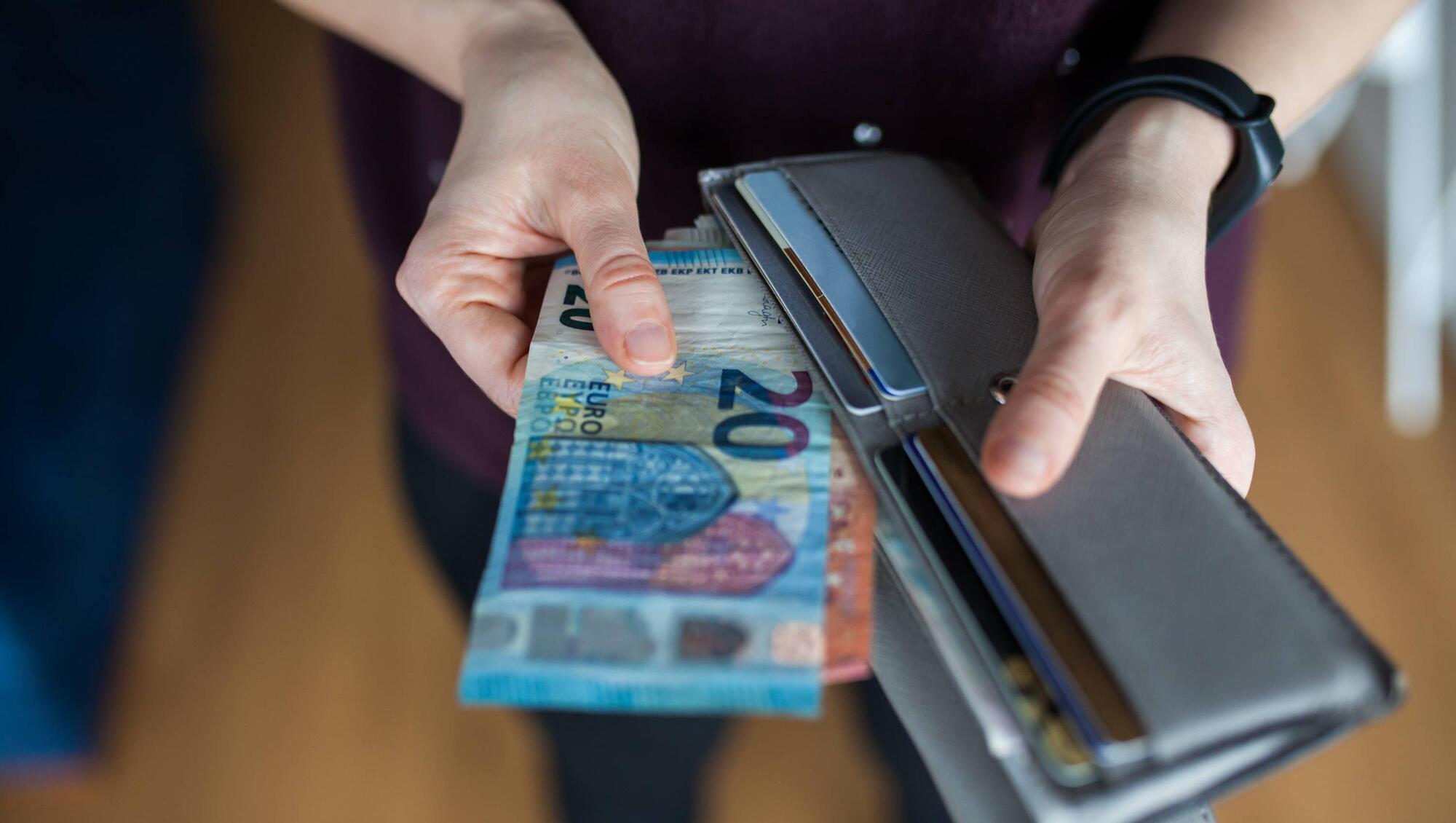
This year marks 16 years since I changed my life for the better by spending less
Planning for our future and setting money aside for essential items isn’t a hardship. It’s actually a form of financial freedom, says Caitríona. 

Planning for our future and setting money aside for essential items isn’t a hardship. It’s actually a form of financial freedom, says Caitríona. 

Sixteen years ago, I dipped my toe into the world of sharing my experiences of living on a budget. Most of what I wrote then has been archived (thank goodness), and my writing has certainly changed in the interim.

What began as a personal blog about how I lived and fed my family well on a budget, post-recession and under financial stress, evolved into a cookbook and a column. I never would have dared to dream that life would change so much for me as I bumbled online and met fellow food writers for the first time while I was pregnant with my youngest child.

I’ve received some tough lessons in the school of life, and I realised maybe it’s worth sharing, because I still apply what I’ve learned every day.

1. Always keep your paperwork

Whatever you buy, make sure you hold onto, or take a photograph of, the receipt. If you buy something large like a car or a home, make sure you have a folder with all the essential documentation you can return to. This came in particularly handy when I fought the bank to get my tracker mortgage back, and won!

2. The three 'R' rule

Repair, Replace, Refund: This precise order is the key to getting satisfaction when you have received a faulty good or item. Very handy when it’s a piece of technology that has broken or isn’t working as it’s designed to. The three words are how your purchase should be treated. If an item can’t be repaired, it should be replaced, and if the retailer can’t assist with either, they should refund you the purchase price.

3. Buying more clothing is a vicious cycle

Too many clothes means a lack of storage space and doompiles of clothing. This makes it very difficult to find what you want to wear, and easier to buy more to fix a lack of clothes.

4. Shopping: What you’ve got saves money

Before going to the shops, check and see if you have something suitable in the press or the wardrobe that will fit the bill. Every time you use what you’ve got, it saves you a fortune.

5. Repairing is a vital life skill

Whether I’m sewing a missing button, or doing basic services on the washing machine or dishwasher, every time I do this for myself, I’m saving the cost of replacing an item. Knowing how to do a basic service will make appliances last longer, just as being able to mend a hole or add a button will.

6. The grass is always greener

I find social media can be toxic when living on less, especially coming up to big seasonal events like Christmas. That’s the time when I limit my time spent on the likes of Instagram, looking at what other people are doing or showing off. The more I see attractive things online, the more I want to buy them. It’s easier to turn it all off and read a book or watch a movie.

7. Support is important

My whole family used to tease me that I was incredibly outspoken about living on less. There’s less slagging and more support now that they can see the difference that it makes to us.

8. Talk to and teach your kids

There is no point in living on less if you’re the only member of the family toeing the line. Worse still, if they are happy to break ranks and dial a takeaway, sabotaging all your hard work. Join your children in the conversation and teach them to live on less because they may decide to move out or apply for a mortgage. These frugal ways of living will serve them well in the future. All of my kids have no qualms about getting a TooGoodToGo bag if visiting Dublin to save money, or searching for discount codes online to reduce the cost of purchases. These are simple changes they have learned for life.

9. Hide your money

While I don’t mean stuffing notes into the mattress, I do mean hiding your savings away or putting them somewhere you can’t access them. In my case, that’s putting money aside for the insurance behind a 30-day notice account so I’m less likely to try to dip into it. I also use the Revolut 'Spare Change' feature to save off small sums of money every time I use my card. It’s set to 10x, and last Wednesday alone I managed to save €5.45 without feeling the pinch too much. The spare change diverts into my Christmas fund, which is very handy.

10. Budgeting brings freedom

Planning for our future and setting money aside for essential items isn’t a hardship. It’s actually a form of financial freedom. I know I have a vault to dip into or somewhere for extra funds if something unexpected happens. It’s not about being frugal and never spending money at all. Actually, I now have enough money to make choices, and I say yes more often than I say no to things.

I always thought I would stop living on a budget when the recession ended; instead, I’ve continued with this lifestyle because we have benefited from it so much.

REDMOND RECOMMENDS

Honey sold in Ireland (and the EU) now displays labels of origin. Irish Examiner readers heard it here first last June, and now the change has come to pass, there’s a bit of a loophole in the legislation.

While honey sold in stores must have this information on the label, there seems to be a gap. After checking a range of larger retailers this week, it’s clear customers who buy honey from retailers online are not being informed in advance of their purchase. If the origin of your honey is important to you, leave it off your online shopping cart for now.

More in this section

Lifestyle

Newsletter

Eat better, live well and stay inspired with the Irish Examiner’s food, health, entertainment, travel and lifestyle coverage. Delivered to your inbox every Friday morning.

Cookie Policy Privacy Policy Brand Safety FAQ Help Contact Us Terms and Conditions

© Examiner Echo Group Limited