Caitríona Redmond: Simple supermarket swaps to save money
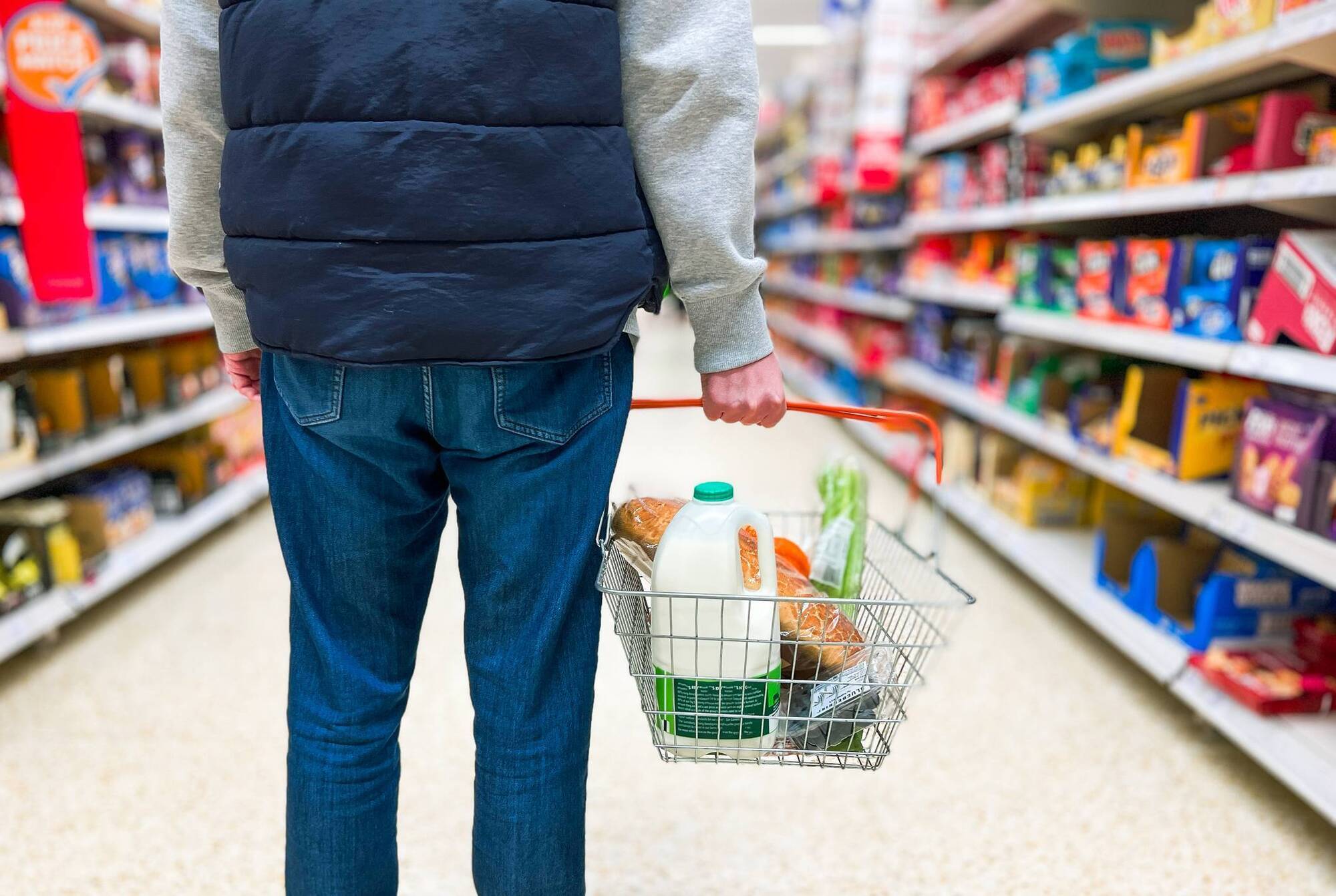
The cost of living isn’t getting any cheaper. Could own-brand or private-label products be the secret to cutting the cost of your weekly shop?
Caitríona Redmond: Simple supermarket swaps to save money

There are some ways to save money by converting to a private label without noticing the difference in your kitchen at all, says Caitríona

Have you considered swapping out premium items in the supermarket for own-brand alternatives to save money? 

Many people will say that they don’t mind paying a premium for a better taste or product. While these decisions are a personal choice, there are certain products that could be simply swapped in exchange for quick savings, and you won’t notice the difference.

In retail lingo, a product manufactured under a supermarket’s name is known as a ‘private label’ item. Most people also know these products as ‘own brand’.

The item may be produced side-by-side with another well-known brand name, but will be wrapped in packaging that belongs to the retailer. The ingredients may be identical, but with economies of scale and slight tweaks to the packaging format, or even the ingredient quality or ratios, the private label item will cost far less on the supermarket shelf.

Which Irish food producers are responsible for certain own brand products is not necessarily a closely guarded secret. Sometimes, it just requires a little digging in recent Irish food awards to uncover some of the real companies behind the outstanding products we enjoy every day.

The Blas na hÉireann awards, for example, detail winners for supermarket brands such as Specially Selected (Aldi), Finest (Tesco), Simply Better (Dunnes Stores), Signature Tastes (SuperValu), and Deluxe (Lidl). 

To give you an example of how this works, well-known Irish jam company Folláin won awards in 2025 for its private-label marmalades manufactured for SuperValu, Aldi, and Tesco. Likewise, Bandon Vale Cheese won awards for its cheddar manufactured for Tesco, Dunnes, and Supervalu. 

The list goes on, and if you’re interested in learning more, I encourage you to check out the award-winning list on the website: irishfoodawards.com.

You can see then that moving from a brand name to a private label shouldn’t be such a wrench.

There are some ways to save money by converting to a private label without noticing the difference in your kitchen at all.

Sugar beet production ceased in Ireland in 2006, and since then, all sugar on our shelves comes from Europe, and in certain cases, further afield. You will still see several brands of sugar on sale in the supermarket, though, despite very little setting the brands apart.

Sure, you can opt for some snazzy branding or maybe a resealable pack, which may be handy. Otherwise, sugar is just that, sugar.

In each of those packaged blocks of either 500g or 1kg, the entire contents of the pack will be a single ingredient.

At the time of writing, 1kg of private label sugar is around €1.69 in all the main supermarkets. Buy a premium brand, though and it will set you back up to €2.65. That’s a lot of money to spend on packaging. Most supermarkets will carry their own brand and a premium brand.

Canny bakers can also save money on flour; it’s a great example of a single ingredient saving. 2kg of plain flour is €1.59 in Aldi, 2kg of plain flour is €1.19 in Dunnes Stores, and Odlum’s in Dunnes is €3 this week for the same size (on discount from €3.80).

There is very little difference when it comes to milk products as well. Full-fat, low-fat, and skimmed milks will be identical from store to store, apart from the carton. You might notice that some cartons are easier to open, others more difficult, and maybe some are slightly more robust, but the milk inside remains the same. 1.75L of own-brand fortified milk costs €2.25, or you could pay €2.95 for the big dairy brand.

All these little cents add up. If your family drinks three large cartons of that milk per week, you probably also have a young person who is partial to a pint with a biscuit or two on the side. Swapping your milk would save €2.10 per week, which may feel like small change. Over a year, that’s €109.20 saved that could easily be used elsewhere in the household.

Speaking of biscuits, the boys here love Biscoff, a 250g pack of which will set you back €2. Both German discounters have their dupe of these delectable speculoos cookies costing 95c for 250g. That’s less than half the price of the big brand name. 

I also priced chocolate digestive biscuits in Tesco at €1 for 300g or I could buy the original brand, costing €2.50 for 266g (on special offer).

For both biscuit varieties, there is virtually no difference taste-wise in my opinion. Remove the packaging, and you’ll be none the wiser, apart from feeling smug at the extra savings you are consistently making by switching.

Let’s say you fill a shopping basket with only the five private label products that I’ve mentioned this week. That adds up to saving €7.42 weekly or just over €385 per year. That could pay for two weeks of your shop or replace a household appliance. After all, the money is better in your pocket than somebody else’s.

REDMOND RECOMMENDS

People often ask me when the best time is to go to the supermarket to bag the bargains.

You may be surprised to learn that mid-morning is the optimal time to check the discount shelves and pick up a yellow sticker.

By the time the evening comes, those stickers will be slim pickings, and the regular stock may be slightly lower. You may notice the fresh food may need a refresh, which will have to wait until the morning staff restack the shelves or take a new delivery.

Try to shop in the morning time instead to take advantage of the freshest fruit and veg along with discount products.

x

More in this section

Lifestyle

Newsletter

The best food, health, entertainment and lifestyle content from the Irish Examiner, direct to your inbox.

Cookie Policy Privacy Policy Brand Safety FAQ Help Contact Us Terms and Conditions

© Examiner Echo Group Limited