Joe Philpott: 'My wake-up call at a GP appointment led to a ‘second mountain’ moment'

Cork musician Joe Philpott had a realisation after 50: that instead of trying to chase back towards his 20s or push harder, there was another way forward. He tells Helen O'Callaghan about how he stepped back from trying to do everything at once and chose more carefully where he put his time and energy
Joe Philpott: 'My wake-up call at a GP appointment led to a ‘second mountain’ moment'

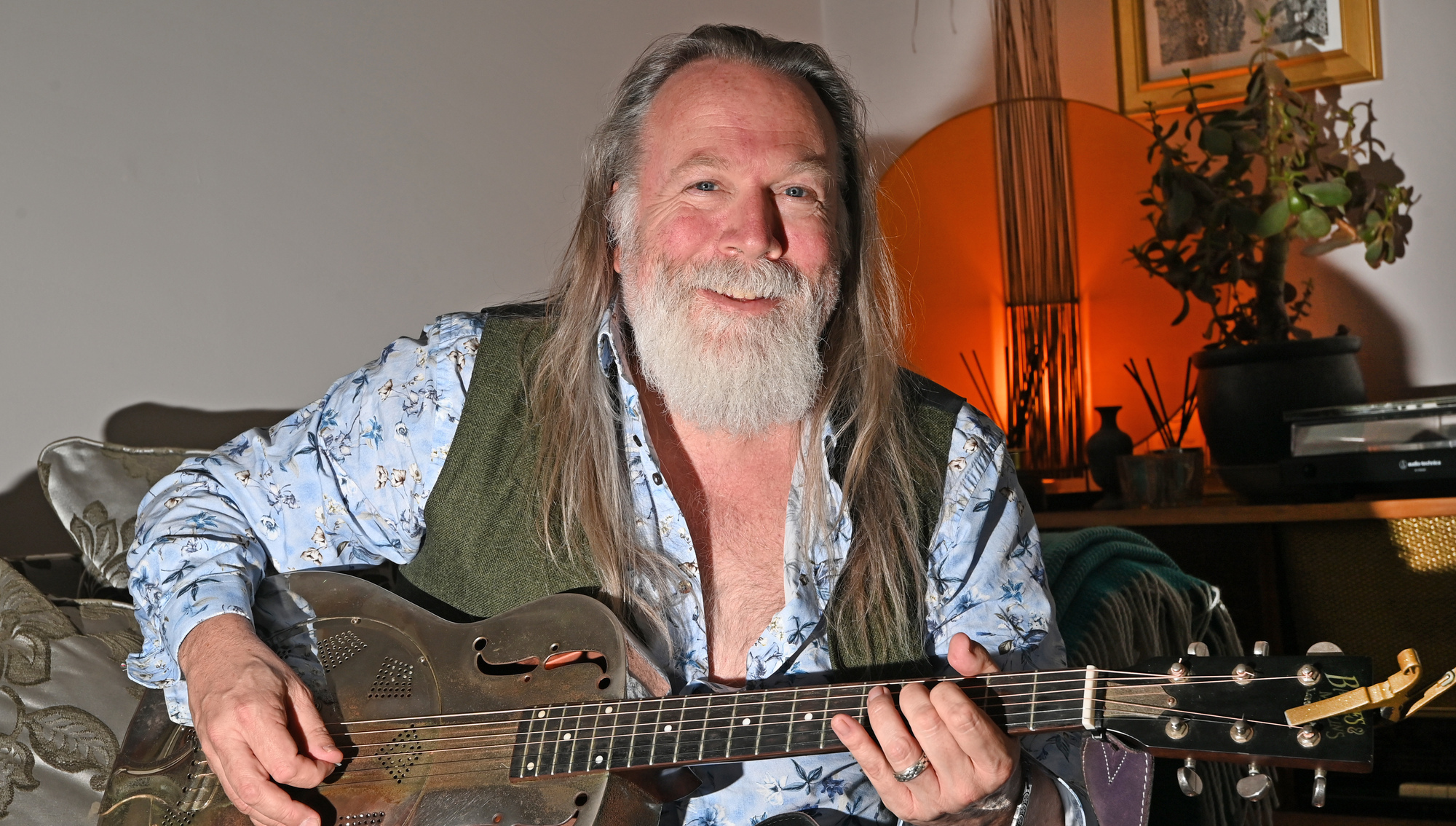
Joe Philpott of Ruby Horse and The White Horse Guitar Club relaxing at home near Ballinora, Co Cork. Pictures: Eddie O'Hare

Two years ago, I paid a visit to my GP when I was 51. I wasn’t feeling great, my energy was lower. Nothing dramatic but I felt flat, burnt out. Anytime I had downtime my default was collapse, rather than doing anything outside my obligations.

The thing was, my feelings didn’t match my overall health — because I was fine, yet I wasn’t. The doctor asked me to describe my normal week, month. He was quite shocked at the pace; everything was at a level of optimum, going full tilt in multiple lanes, particularly from a work point of view.

He gently pointed out that the roadmap didn’t look great 10, 15 years down the line unless something changed. That stayed with me. It was a wake-up call, a lightbulb moment. It led me into what I’d now call a ‘second mountain’ moment… 

The early part of life is generally around accomplishment, especially in our 20s, 30s, even in our 40s. There had been no change in 10 years in the pace I was going at. Everything was geared towards high performance, gigs — weeks bleeding into months, into years.

I was spread too thin, across too many places, touring most weekends with the band, trying to have a family life in the gaps. Everything felt like a pressure cooker.

That visit to my doctor became a real point of reflection.

Joe Philpott: "We’re told if you’re not productive there’s something wrong — there’s a kind of shame attached to doing nothing. But ‘nothing’ is an active thing in itself — it creates the space for the things you actually want to do." Picture: Eddie O'Hare

There’s a kind of natural compound interest build-up of life from zero to 50. Technically, you’re halfway there then, if not more — you reach the summit of life regarding family, career, and the goals that occupied your mind up to 50. I think there’s a natural shedding at that point — things that mattered to you in the previous 15 years don’t matter as much.

So I was doing an inventory of my own then, of what matters to me, of what is my compass, what north do I want to be pointing towards, and what does that look like on a Monday morning.

I stopped doing some of the work I had been doing. It had run its course even though I enjoyed every bit of it. People say you have to learn to say no to what you don’t want to do — the trick is to say no to things you might want to do.

We’re told if you’re not productive there’s something wrong — there’s a kind of shame attached to doing nothing. But ‘nothing’ is an active thing in itself — it creates the space for the things you actually want to do. So stopping isn’t giving up. Stopping is resetting, starting again — it’s the foot of the second mountain. To allow yourself begin again is a blessing. Incredible what can happen if you do that.

There’s a euphoria in making the decision, but then comes the reality of what that actually means. What are you going to do with that time you’ve now afforded yourself?

I’d never thought fully about writing a book… I’m a creative person; that’s where I exist, writing songs, playing music. But when I started writing the book, it was terrifying. Impostor syndrome started knocking at the door. I found myself at 6.30am staring at a blank page.

Joe Philpott: "I began to build a routine, getting up early, giving the mornings to writing, and allowing that creative work to take its proper place at the forefront of my day." Picture: Eddie O'Hare

My wife, Aoibheann, was a huge source of encouragement. With her support, the pen finally went to the blank page, and the 15-month journey of writing my book began. It meant becoming more available to creative parts of myself I’d neglected, even though music had always been central to my life.

I began to build a routine around it, getting up early, giving the mornings to writing, and allowing that creative work to take its proper place at the forefront of my day. It’s a memoir, really a reflection on music, identity, and the long road from Cork to America and back again with my band Rubyhorse — but also about what it all meant and what stayed when the noise faded.

From your early life up to 50, you’re chasing all the time. You’re looking at the summit, not stopping to have a look at the view, at the scenery — not taking into account what you have. And when I stopped and looked, it felt like relief, gratitude, to celebrate I’d made it this far, and I have a story to tell, and I’m in one piece, and people around me who love me and whom I love.

Embracing that was really a good starting point for what was going to come next. It’s a different way of living now. Less scattered, more intentional. Still creative, still active, but with a clearer sense of direction. The payoff has been huge. Not just in the work itself, but in how I feel day to day.

When I went to the GP, my vitality was missing. Mostly now I’m doing things that make me feel energised, connected to my authentic self. There’s a steadiness that wasn’t there before.

That day with the GP shifted something fundamental. And everything since has grown out of that.

  • Joe Philpott’s new memoir, All Roads Lead to Where You Are, is a lyrical exploration of music, migration and memory. From Bishopstown to the great stages of America, he traces a journey from suburban bedrooms and backroom rehearsals to recording sessions with George Harrison.
  • Philpott will be in conversation with Billy Keane at John B Keane’s Pub on Thursday, May 28, as part of Listowel Writers’ Week. Visit writersweek.ie.

x

More in this section

Lifestyle

Newsletter

Eat better, live well and stay inspired with the Irish Examiner’s food, health, entertainment, travel and lifestyle coverage. Delivered to your inbox every Friday morning.
Cookie Policy Privacy Policy Brand Safety FAQ Help Contact Us Terms and Conditions

© Examiner Echo Group Limited