Caitríona Redmond: Taking steps to reduce energy costs in an uncertain time
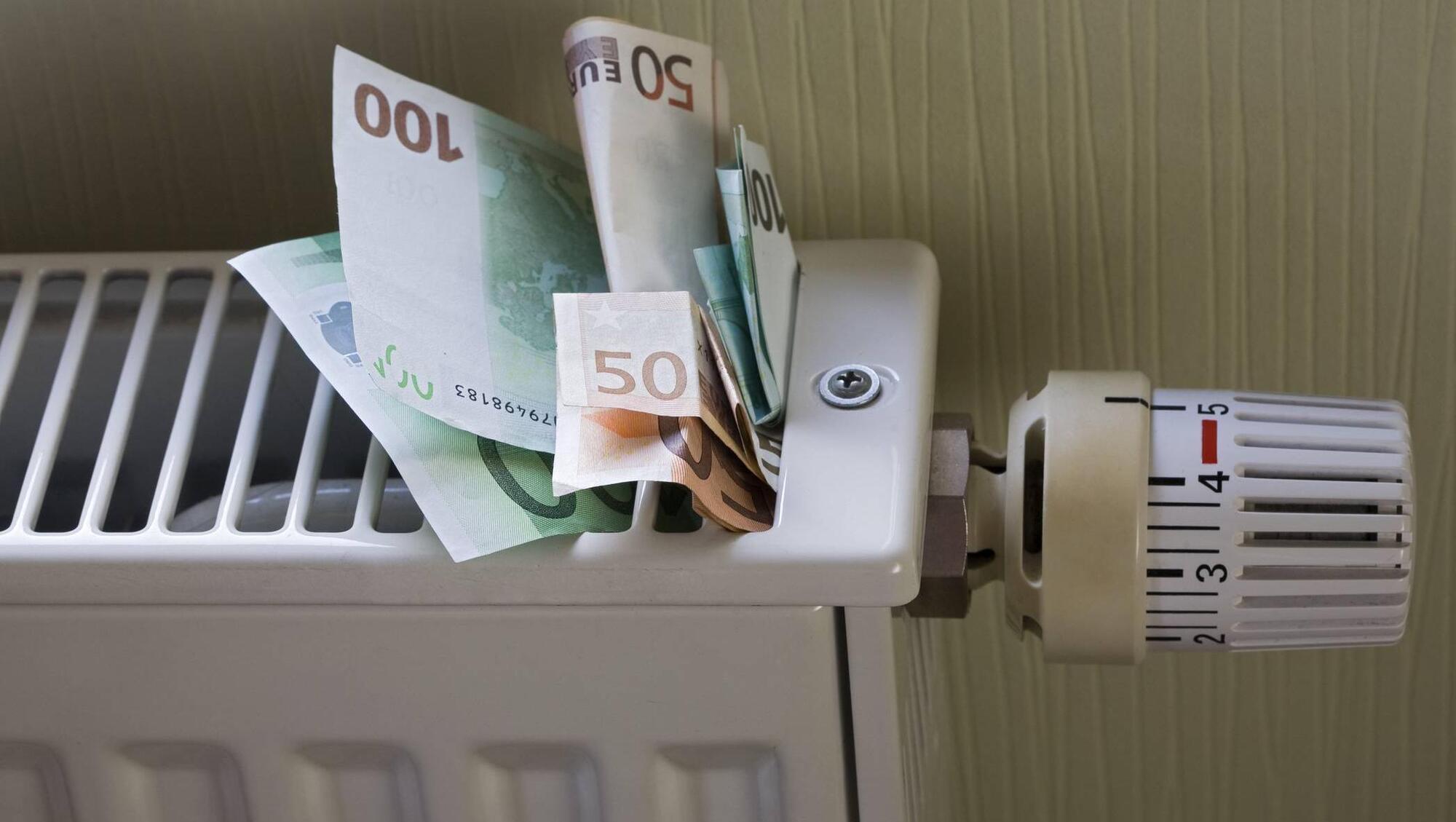
'Rather than heating the whole house, I use spot heating to stay warm. That means using a plug-in electric blanket or plugging in a small oil-filled radiator if I’m feeling cold instead of switching on the heating.'
When the Government decided in the last budget to end the energy credits, it understood there would be a knock-on effect for householders who were already under financial pressure. Their crystal ball didn’t foresee a rapid increase in energy prices because of conflict in the Middle East, fomented by Israel and the US.
Right on time, my gas bill for the last two months arrived on my doorstep last week, and it was the “Oh My GAWD” bill. That’s the bill that reflects energy use at the coldest time of the year, and recently the wettest and dampest. Large energy consumption will always result in a massive bill, and the OMG energy bills always land at a lean time of the year — now without an energy credit to cushion the blow.
At least with the days getting brighter and slightly warmer, there should be less energy used at home for many months ahead. Our bank account balances will appreciate the lighter relief.
There are some quick, small swaps you can take, such as switching to LED low-energy lightbulbs and turning down the thermostat by one degree.
If you replace broken appliances, try to buy the highest energy-rated appliance you can afford, as it will save money over time.
Are you in a contract with your energy supplier? Most contracts last between 12 months to two years. Those customers who allow a contract to lapse, without sourcing a replacement, will automatically be placed on the higher standard rate.
Your next-door neighbour could be using the same company and paying far less than you for the same energy, just because they were clever enough to switch every year.

To save money by shopping around energy suppliers, use either bonkers.ie and switcher.ie and input your last bill information. You can also contact your supplier directly and ask for the ‘loyalty rate’, and this should revert you back onto a contract without ever having to switch.
Yes, I know we live in a country that has more dark days in the winter and dull days when it’s raining, but those panels do still generate energy all year round.
While a full set of panels may significantly reduce energy bills, that also requires an initial investment not every consumer would have available to spend. Certainly not anybody in arrears!
Smaller solar panels can be used to power small appliances, livestock fences, outdoor lights, and even CCTV. I have a tiny panel attached to my security cameras and never have to charge or replace a battery.
Adding extra insulation is a big and expensive job. There are grants available for those on a lower income and older homes, but again, the barrier is time and money. I benefited from the Warmer Home Scheme several years ago, and the house insulation was improved, technically at no cost to me. It was all done via a One-Stop-Shop, and once the works were complete, I received a new BER Cert. My energy bills reduced, and the house has been far warmer.
If the big job is not suitable for your household, then consider the older tricks for insulation. These include adding lining to curtains and replacing the seals on doors and windows.
I feel the cold far more than the rest of the family, who would happily wander through the house in shorts and a T-shirt in 15C.
Rather than heating the whole house, I use spot heating to stay warm. That means using a plug-in electric blanket or plugging in a small oil-filled radiator if I’m feeling cold instead of switching on the heating.
Finally, if you feel like energy costs are getting on top of you, speak to MABS, who can offer you further advice.
The household benefits package from the Department of Social Protection makes a monthly contribution to each qualified household, which helps with the cost of energy bills.
It also entitles recipients to a free television licence. You can apply directly via the MyWelfare portal. The package is paid at the start of every month, and while it doesn’t cover a full energy bill, it certainly helps. If you’re over 70 you automatically qualify, but those under 70 can also be eligible, depending on their circumstances.
Those receiving working family payment have been eligible for the fuel allowance since January 1 this year. Check your MyWelfare account to see if it has been automatically awarded to you.