'Learning Irish was not part of my plan after war forced me to flee my hometown'
Legendary Ukrainian poet Lina Kostenko once said that nations don’t die from heart attacks. First, their language is taken away
'Learning Irish was not part of my plan after war forced me to flee my hometown'

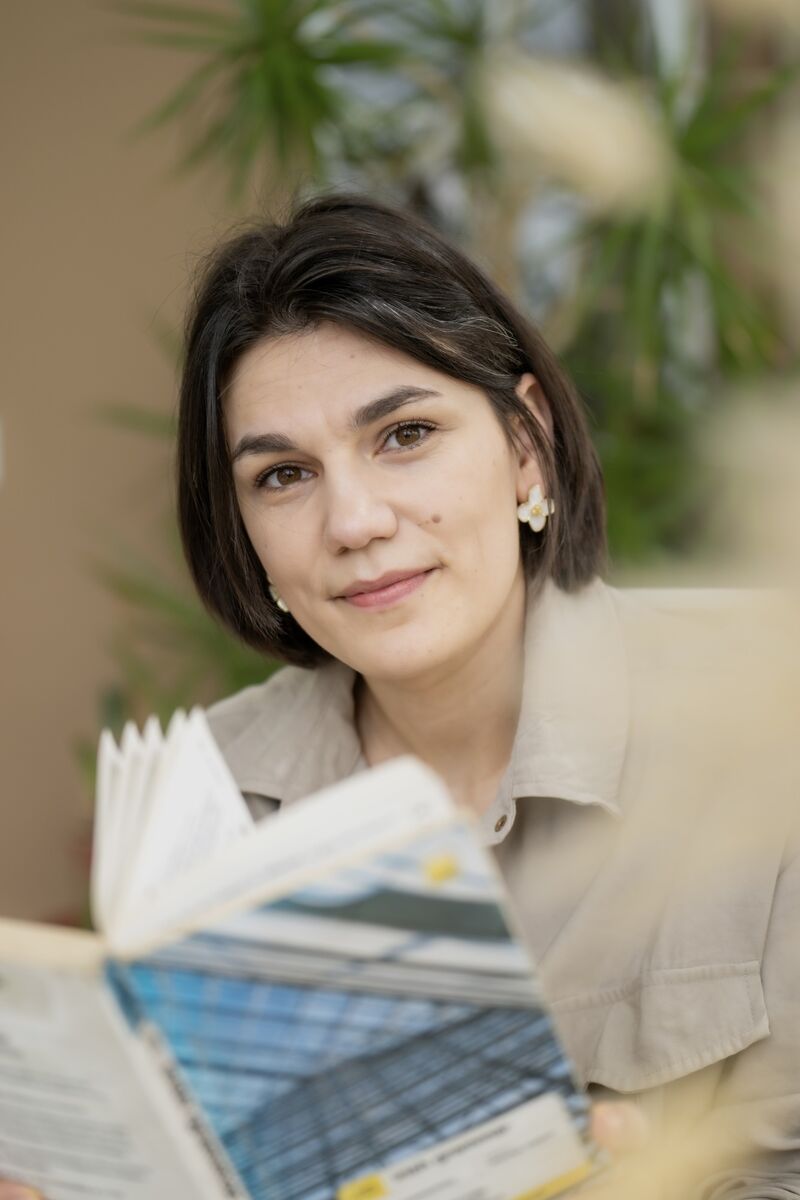
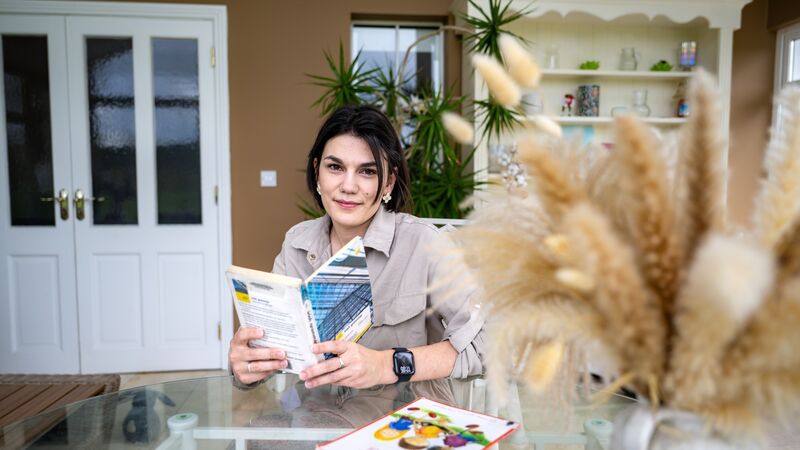
Ukrainian national Yuliia Maltseva, who has begun learning the Irish language, says she has always loved languages and finds Irish especially beautiful and musical to listen to. Picture Chani Anderson

Learning to speak Irish fluently had not been part of my plan after war forced me to flee my hometown in Sumy, Ukraine, for a new life abroad.

And yet here I am, four years later, taking classes with Nasc in Cork, in the hope of achieving the ambitious but hopefully not impossible. The dream is to become fluent in Irish, regardless of how long this will take.

My son Andrii was two months old when we left Ukraine. A few years on, and we are preparing him for his most important milestone yet: “Big school.”

My husband and I must have been the only Ukrainian parents at the open night in Gaeilscoil Uí Riordáin, Ballincollig.

We are really hoping he can secure a place there next September. Some people might wonder why I am so passionate about learning the Irish language.

Legendary Ukrainian poet Lina Kostenko once said that nations don’t die from heart attacks. First, their language is taken away. She was a leading figure of the “Sixtiers” (shistdesiatnyky) movement, which defied Soviet ideology by means of cultural intellectualism.

An entire generation almost vanished, but she survived. It’s similar to what the Irish people faced, which is probably why I feel such a connection to this culture. I want to be a part of restoring the language and helping in the efforts to promote it. 

This will be my way of giving back to a country that has welcomed me so warmly. We are so lucky to have the freedom that comes with expressing our culture. I know this was once forbidden among the Irish.

Back in the 17th and 18th century, teachers operated illegal schools in forests to evade British authorities.

One teacher gave lessons while the other kept watch for the enemy. They put their lives at risk to preserve Ireland’s culture and language. Ukraine suffered in similar ways. There was a generation of poets and artists who dared to write in Ukrainian, who all got sentenced to death. We share the horrible stories that come with trying to save a language.

When it comes to learning Irish, I try to be as patient as possible. If I have the time, I’ll visit the children’s section of the library. This is not for my son, but rather to familiarise myself with the pronunciation and phonetics of the Irish language. 

I teach English as a foreign language and always advise my own students to do the same. I preach this especially to students starting out. If you think your level is low, then go to the children’s section.

Ukrainian national Yuliia Maltseva, who has begun learning the Irish language, says she has always loved languages and finds Irish especially beautiful and musical to listen to. Picture Chani Anderson.

There are also different sections for English learners. I always try to promote the things that work best when improving in a foreign language. My son hasn’t yet asked why I am bringing home picture books intended for me and not him. Right now, he’s still too young to understand.

It is very important to have people you can converse with in that language. My colleagues, Sarah and Emma, speak Irish fluently, so they are my safe place to practise Irish.

I can freely speak without being afraid of them misunderstanding me. Because they are my colleagues, they are also
tutors.

They can help me improve my Irish from their methodology and pedagogical point of view.

Learning the native language is also a positive way to show a country respect. I know a British lady who married a Ukrainian man. They live in Odessa at the moment, but she’s trying hard to learn Ukrainian as well. 

I appreciate this state of mind. It is very important that I also pay my respects to the country that is hosting us so warmly.

I have experience with different languages. Obviously, I started English at school and German too. My school back home specialised in foreign languages, devoting almost eight hours a week to this subject. I also lived in China, so I was trying to learn Chinese as well.

I tend to pick up languages quickly, not absolutely quickly, but it is still not as difficult for me as chemistry.

Irish is particularly beautiful to me. Maybe this is because there are so many different ways to say “I love you” or just how poetic it is in general. It’s lovely to be able to express yourself in a language that isn’t your own. 

While the Irish language is certainly different here, the mentality is much the same as in Ukraine. Even before I had my baby, I travelled around different cities. These experiences offered me an insight into different nations.

For me, the Irish mentality is very similar. On the first night we arrived in Cork, our host family served us a very generous dinner. This is what Ukrainians do when they have guests.

However, I would say that our ability to deal with problems with the humour and attitude we do is probably where the similarities are most striking.

More in this section

Lifestyle

Newsletter

The best food, health, entertainment and lifestyle content from the Irish Examiner, direct to your inbox.

Cookie Policy Privacy Policy Brand Safety FAQ Help Contact Us Terms and Conditions

© Examiner Echo Group Limited