Caitríona Redmond: Fancy eating well for less? There’s an app for that
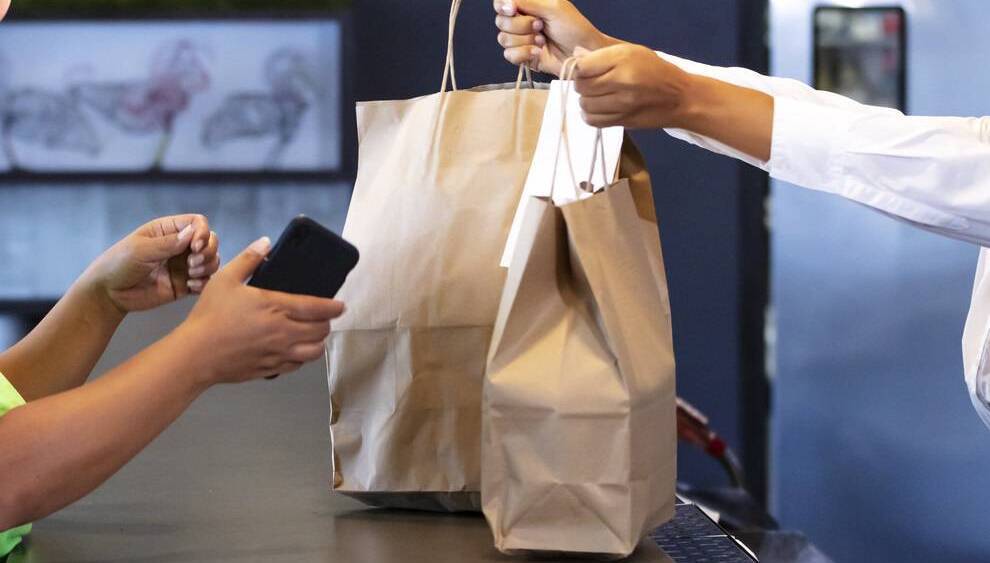
Some of these apps have voucher codes and deals for takeaway and grocery services. Picture: iStock

A few weeks ago, I wrote about the consequences of the rising cost of living since Russia invaded Ukraine in 2022. With the current situation in Iran and with costs rising again, it feels like Groundhog Day.
The increased price of food since 2022 has made grocery shopping and dining out far more expensive in Ireland. However, there are apps and online platforms that can help consumers cut their grocery costs, reduce food waste, and potentially dine on restaurant-standard food for less.
Some of these services connect consumers with surplus food from restaurants, cafes, bakeries, or supermarkets, or offer discounted dining times. Others have voucher codes and deals for takeaway and grocery services. By doing a little research and combining some of these tools, Irish consumers can save plenty of euro on everyday food shopping and restaurant meals.
Food-waste apps have grown rapidly in Ireland over the past few years. It’s a simple concept: Instead of a business throwing away unsold food at the end of the day, they sell it to consumers at a heavily reduced price.

Restaurants recover some of the costs of waste disposal and customers get affordable food. Some of the food can be very close to its expiry or the end of its shelf life, and even though buying on the app can guarantee a bounteous bag of food, in my experience, that food might not always be edible.
The apps address a broader environmental issue. EU statistics show up to 40% of food produced in Ireland is wasted each year. Rather than dispose of unsold food at the end of the day, businesses can sell it to consumers.
One of the best examples is Too Good to Go. I’ve used this app for years, and it’s a big hit with my family. Before heading into a city like Dublin, we check the app to see if there are any bags we’d like to pick up.
Businesses package food into surprise bags that users buy for about a third of the original price. The bag’s contents aren’t revealed in advance and are described as a surprise. Still, the listings give a fair idea of what’s inside, such as bakery goods, hot meals, and deli items.
You can also check each bag’s popularity: Those rated four stars or higher are generally the most popular and of a higher standard. Anything lower than three stars tends not to be of the same standard. I recently risked my money on a bag in a well-known shop in Dublin city centre, and all of it went to compost; it was inedible.
Another very popular option, Olio, takes a different approach. Instead of selling discounted food, the app enables food sharing within local communities. Users list surplus food, such as leftover groceries, homegrown produce, or unopened items that are nearing their use-by date. Nearby users can claim and collect these items.
The platform also works with businesses, including Tesco, which partners with Olio, but relies on volunteers, known as ‘food waste heroes’, to redistribute what they collect from supermarkets through the app.
Businesses benefit by avoiding disposal costs for food nearing its sell-by or use-by date. This is an extremely successful initiative to lower food waste for Tesco, which also partners with FoodCloud to redistribute food to organisations that need it most. Its surplus is donated first to FoodCloud, and then whatever is not allocated to local charities is collected by Olio volunteers.
Remember, though, that using an app like Olio is collaborative, and you shouldn’t always be receiving goods — you should also consider how you can contribute to the wider community and act as a ‘hero’ or assist with distributing larger packages.
It’s not just about food, either. Olio also lets people share household items, like books, clothes, and kitchen equipment.
Early Table is an app focused on discounted dining out, not surplus food. It lets users book earlier restaurant slots, filling tables that might otherwise sit empty during non-peak times.
In return, diners enjoy significant reductions on their bills. The concept is like an early bird offer, but users book directly in the app and can get up to 50% off, depending on the restaurant. It’s a win-win for regular diners, who watch their spending.
When you have financial woes, food shopping and celebrations add an extra layer of stress to the mental load.
It’s great to know that even on a tight budget, there are always other options to dine well if you’re prepared to do some research.
Incorporating yellow sticker shopping into your weekly shop requires you to be more flexible and innovative with your meal plans, but the savings can really pay off. I recommend heading to the yellow sticker sections first when doing your weekly supermarket shop, and then topping up the rest of your trolley based on what you get.
For example, last week I spent just under €110 on my weekly shop for a family of four, including two adults and two teenage boys, but I saved €40 by buying yellow-sticker items. If I’d paid full price, my shop would have cost just under €150. Just think about what you could do with an additional €40 per week, that’s just over €2,000 per year.


CONNECT WITH US TODAY



Be the first to know the latest news and updates