Bernard O’Shea: The Dad Bod Diaries Week 10 — Bread and me... it's complicated
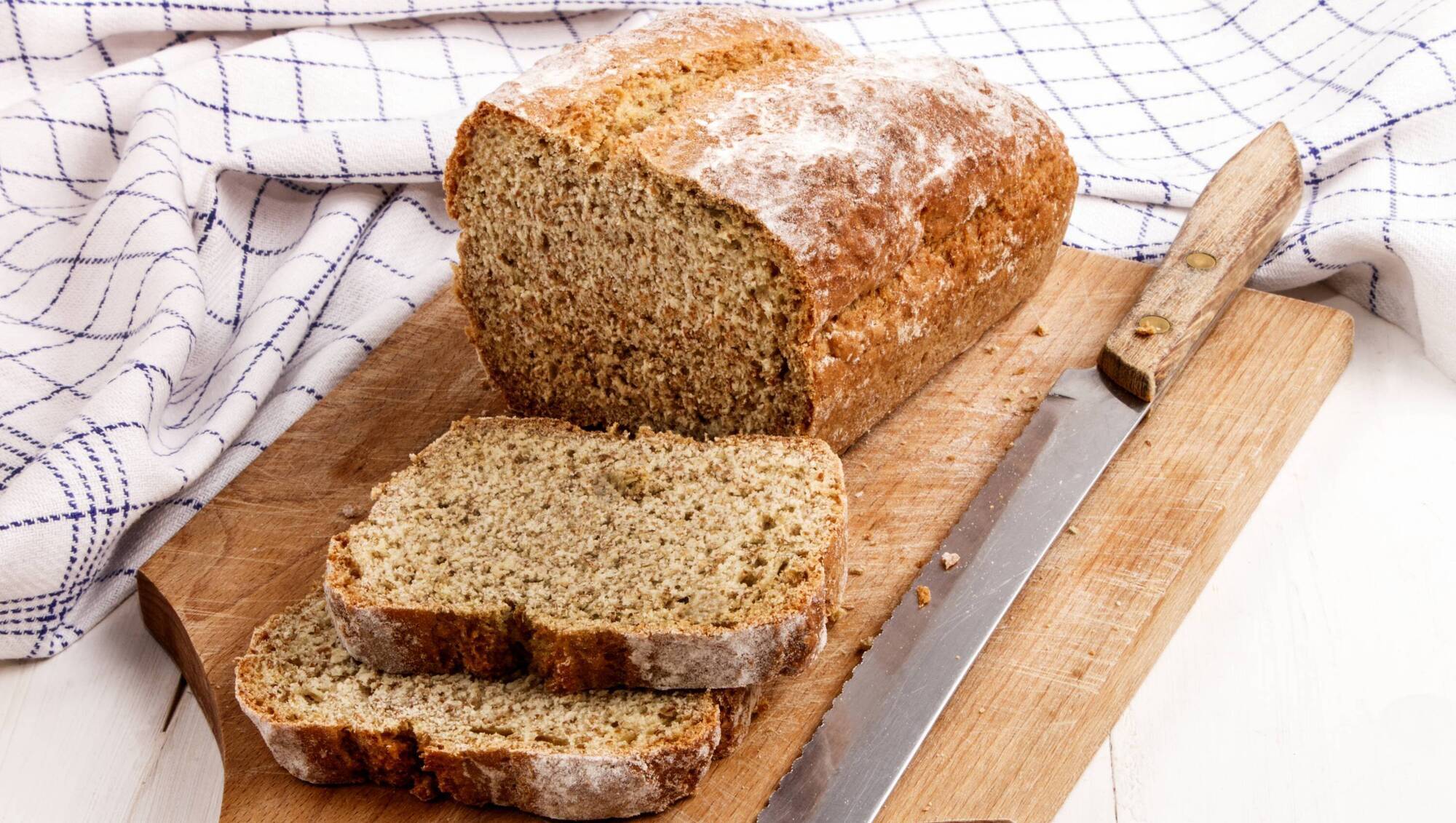
USE YOUR LOAF: 'Bread delivers comfort quickly. Within minutes, you feel calmer, warmer, and slightly more in control.'

Bread and I go back a long way. We grew up together. Bread was present at almost every major moment of my childhood. School lunches, GAA matches, communion teas, long car journeys, and the slice your mother cut “just to keep you going”.
Bread was never simply a food in Irish houses. It was infrastructure. It was the scaffolding that held the day together.
In most Irish homes, bread was not an option you considered. It was simply there, like the kettle or the fridge. Toast was breakfast, sandwiches were lunch, and something between two slices of bread was dinner if the day got chaotic.
The sliced pan sat permanently on the counter, as if it were a trusted appliance rather than something edible. Bread was simply food. It was normal, reliable, and entirely uncontroversial.
Somewhere along the way, though, the relationship changed. In my 20s, bread was fuel. I could eat it with abandon. A baguette the length of a hurley could disappear in minutes, and my body would convert it into energy for football, walking, working, and generally being young. Bread went in, and energy came out. It was a very efficient system, and everyone involved seemed happy with the arrangement.
Scientifically, nothing dramatic has happened. My metabolism hasn’t broken. I’ve simply aged into a slightly different biological reality. I move less than I once did, I sit more than I used to, and my recovery is slower. Bread hasn’t changed at all. I have. Emotionally, however, it still feels like betrayal.
Part of the problem is that bread has a unique psychological quality. Bread invites escalation. Nobody really eats one slice of bread. Soup calls for bread. Pasta arrives with garlic bread. Even salads, which theoretically represent discipline, somehow appear beside a warm piece of bread “on the side”. Bread is the gateway carb. It opens the door to a whole sequence of decisions.
The deeper truth, though, is that bread is rarely about hunger. Bread is about mood. Bread is what you eat when you are tired. It is what you reach for when the day has gone sideways, when you have driven too long, when cooking feels like an unreasonable expectation.
Bread delivers comfort quickly. Within minutes, you feel calmer, warmer, and slightly more in control. That is why bread is powerful. It solves problems efficiently.
I am not trying to eliminate bread. That would be unrealistic and slightly joyless. I have tried that approach before, and it always ends the same way, with me standing in the kitchen at ten o’clock at night eating bread directly from the bag like a man who has temporarily lost control of events.
Bread is too embedded in Irish life to be treated like contraband. The real challenge is learning how to have bread without spiralling into bread as a lifestyle.
Recently, I have started doing something I call the car test. If I am driving and I feel the urge to stop somewhere “for something small”, I pause and ask myself a simple question. Am I hungry or am I tired? The answer, nine times out of 10, is tired. Bread wins in those moments because bread feels like energy. But what I usually need is sleep, water, or 10 quiet minutes where nobody asks me anything.
Midlife, I am discovering, is largely about learning the difference between fuel and comfort.
It is important to say clearly that bread is not the enemy here. It has behaved exactly as bread always has. The change happened on my side of the relationship. I do not burn energy the same way I once did. I do not sleep as well. I do not move as much. Life is different, and the way I eat has to adjust slightly to reflect that reality.
One small change that has helped is surprisingly simple. I now slice the batch bread and freeze it. It introduces friction into the system. Instead of an entire loaf sitting on the counter inviting emotional decisions, there are individual slices in the freezer.
If I want toast, I have to make a deliberate choice. I take out one or two slices and toast them. That is it. There is no hovering around the loaf, cutting increasingly optimistic slices. At 46, friction is your friend. Willpower is unreliable. Structure works better.
I still love bread, and I suspect I always will. All I am trying to do now is respect it a little more. Have some, enjoy it, but perhaps do not build your entire evening around it. Because bread, like midlife itself, turns out to be about balance.
And if I can manage that balance even occasionally, then bread and I may yet have a long and happy future together.

CONNECT WITH US TODAY



Be the first to know the latest news and updates