Dad Bod Diaries Week 6: Five things I’ve learned about coffee, fitness, and moderation

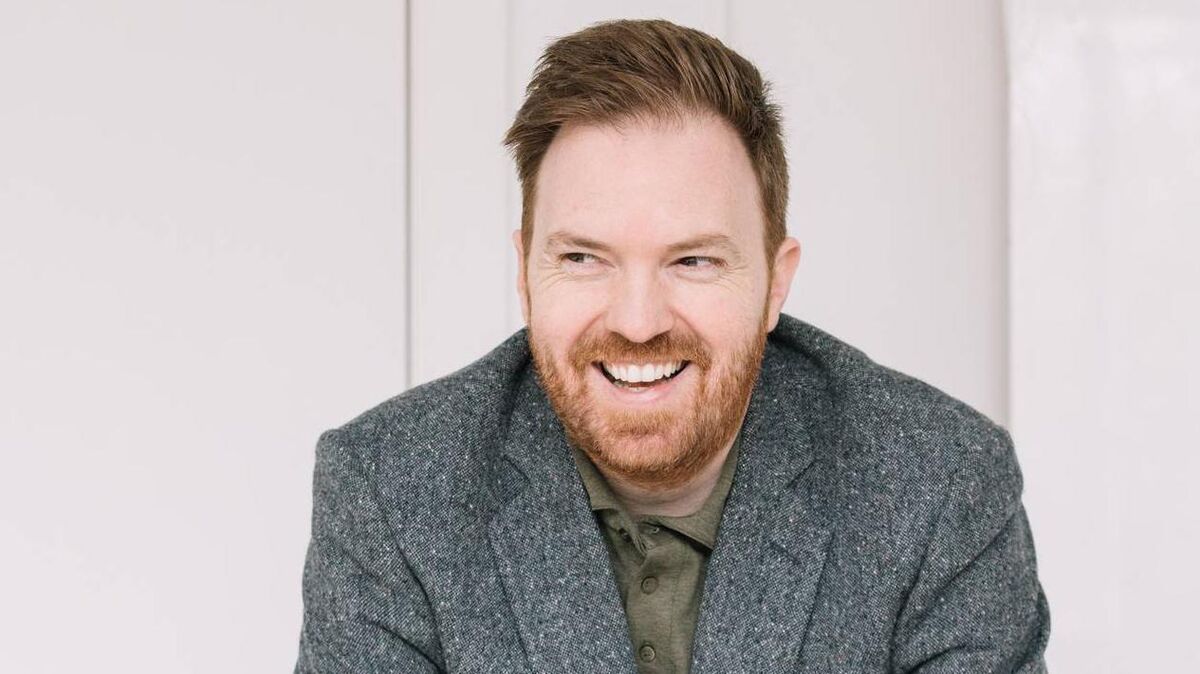
Bernard O'Shea: 'Lots of coffee meant you were busy. Important. Flat out. A grafter. Which is how coffee quietly embedded itself not just in my routine, but in my identity.'
till 17 stone.
I didn’t used to wake up tired; I woke up temporarily uncaffeinated. And that proved to be a fixable problem. One mug became two. Two became “sure I’ll top that up”.
By mid-morning, I’d be vibrating gently. Nobody, including myself, ever doubted my quivering. Lots of coffee meant you were busy. Important. Flat out. A grafter. Which is how coffee quietly embedded itself not just in my routine, but in my identity — right alongside long voice notes, motorway naps, Red Bull, and a very selective understanding of moderation.
This is what I’ve learned...
Coffee reached its peak at the exact moment adult life became messy. Kids. Work. Sleep deprivation. Responsibility that doesn’t clock off. Coffee stepped in as the one socially acceptable stimulant we all agreed not to interrogate too closely. If you drink a lot of it, you’re not struggling — you’re driven. You’re ‘on it’. This is how I justified drinking coffee, the way other people might approach mild narcotics. Coffee wasn’t fuelling me — it was overriding me.
Now? You finish a workout, and there’s a barista waiting for you like it’s Milan. Flat whites. Oat milk. Filter coffee brewed by someone whose forearms suggest they do deadlifts while washing one of their kids in the bath. In the US — LA, Austin, New York — gyms and coffee shops have practically merged into one soft-focus lifestyle ecosystem. You don’t just work out; you linger. Laptop out. Hoodie on. You’re not sweating — you’re curating.
I get it. Exercise on its own is confronting. Coffee softens it. It says: you’re not here because you hate yourself — you’re here because you’re the kind of person who trains and then discusses single-origin beans.
There’s a reason an Irish brand is literally called Gym + Coffee. They didn’t invent the idea. But they did an excellent job at naming and branding it. Coffee signals taste and adulthood. The gym signals discipline and virtue. Together, they form a neat little narrative you can wear. I’ve worn the hoodie. I’m pretty sure I’m the last person their marketing team envisioned wearing it... but too late, that middle-aged, big-bellied man horse has bolted.
But — and this is where I went wrong — coffee does none of this if you’re using it to avoid food, sleep, or listening to yourself.
Skip breakfast, stack coffees, and suddenly you’re ‘not hungry’ until mid-afternoon, when you’re feral, staring into the press as if it owes you money. That’s not discipline. That’s chemistry having a row with your nervous system.
Coffee works best when it supports habits, not when it replaces them. That distinction took me years to learn.
I’ll have a coffee and go for a walk... I’ll treat myself to a nice coffee after I eat something planned.
The coffee doesn’t change. The behaviour around it does. Last week I shocked myself by bringing packed lunches to gigs. I’m eating before shows instead of pretending adrenaline is a food group. I’m planning instead of winging it. Coffee is the prize, the teachers’ little red biro tick I get for being ‘good’.
The scales still say 17 stone. They remain deeply unimpressed by caffeine intake or barista restraint. But just like with the packed lunches, the dark chocolate in the fridge may be related to the way food is changing. However, my brain appears to be saying: “Very interesting. Let’s see if you keep this up.” Yeah, let’s see.
Read More

CONNECT WITH US TODAY



Be the first to know the latest news and updates