Bernard O'Shea - The Dad Bod Diaries: It's high time I asked... what IS a 'dad bod'?
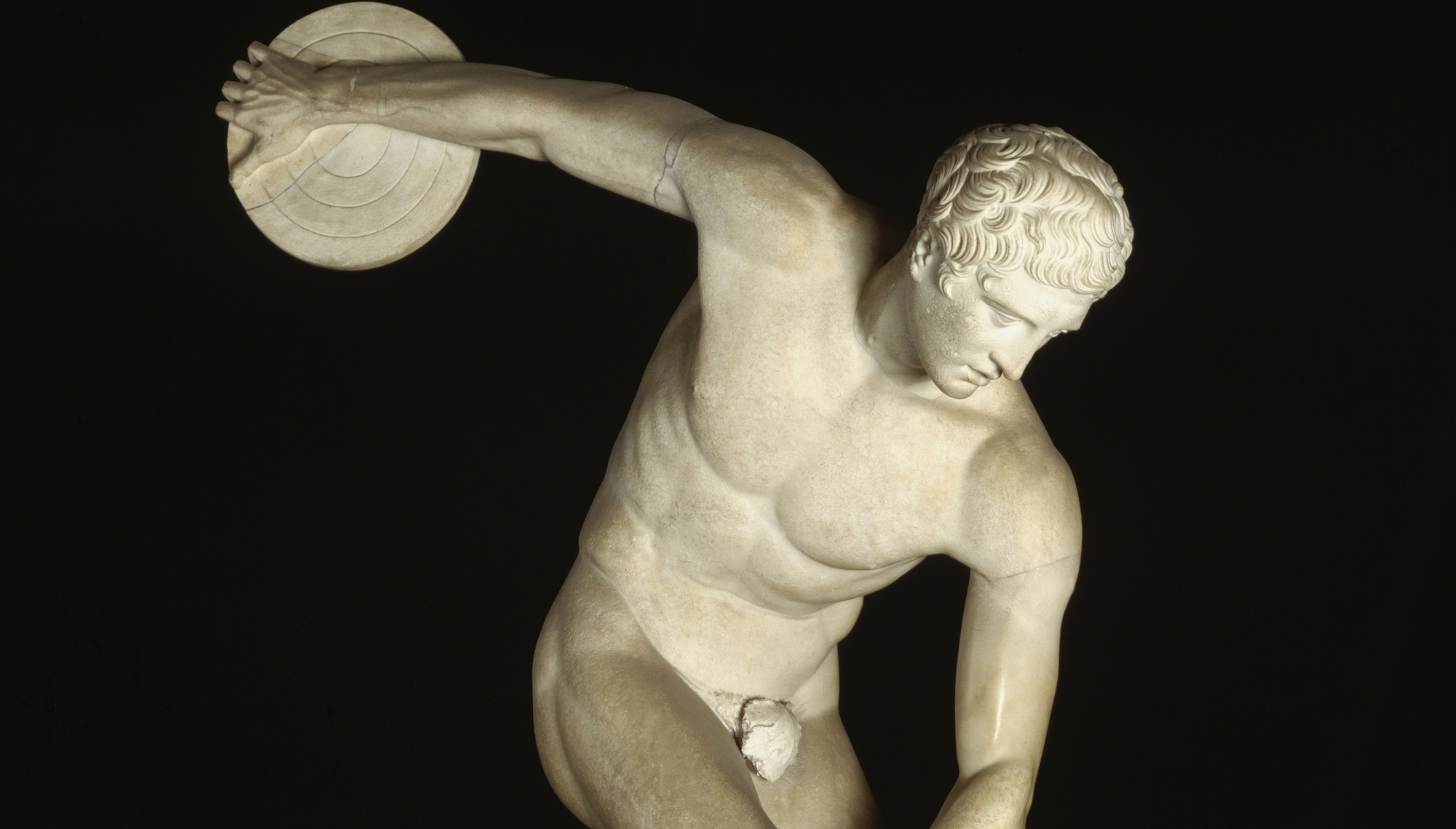
From ancient Greece to present day, the classic male form has changed shape. So what exactly does a 'dad bod' look like, asks Bernard O'Shea
Bernard O'Shea - The Dad Bod Diaries: It's high time I asked... what IS a 'dad bod'?

'The Greeks were absolutely obsessed with the male form. Their statues were basically the Instagram fitness influencers of their time'

I had spent weeks writing about diets, exercise, midlife motivation, and the peculiar humiliation of squats, but I had never stopped to define the thing I was supposedly trying to change.

The first thing you realise very quickly is that the “ideal male body” has been changing for thousands of years. Which is reassuring, because if history has taught us anything, it’s that today’s peak physical specimen is tomorrow’s museum curiosity.

Take ancient Greece. The Greeks were absolutely obsessed with the male form. Their statues were basically the Instagram fitness influencers of their time — chiselled torsos, perfect symmetry, muscles so precise they looked like they’d been measured with a compass. Think marble men standing around looking permanently ready for a protein shake.

But there was a twist. Those bodies weren’t enormous. They weren’t bodybuilder physiques. They were lean, athletic, balanced. The Greek ideal was discipline rather than bulk. A body that suggested you trained for war but also had time to discuss philosophy.

The Romans came along and adopted a similar aesthetic, with a slight imperial confidence. Broad chest, upright stance, the posture of a man who believes roads should lead directly to him. After that, things went sideways for a few centuries.

In medieval Europe, the ideal male body wasn’t sculpted at all. In fact, being slightly large could actually signal prosperity. If you were thin, it often meant you were poor or starving. A fuller body suggested wealth, stability, and a regular supply of bread. In other words, the medieval equivalent of a gym membership was a reliable harvest.

The Renaissance swung things back toward classical proportions. Artists rediscovered the Greek idea of a male body that was heroic, balanced, and almost divine. Suddenly, men were carved again from marble, usually holding swords or staring meaningfully into the middle distance.

Fast-forward to the Victorian era, and something interesting happens: restraint becomes the new ideal. The male body was meant to look controlled, contained and respectable. You didn’t flaunt it; you buttoned it up.

The 20th century arrived, and with it came the cinematic male body. Hollywood began quietly rewriting what masculinity looked like. First came the athletic adventurers, then the square-jawed leading men, then the bodybuilders of the 1970s and ’80s.

By the time of the action film era, the ideal male form had essentially become a walking set of shoulders. Enormous chests, arms like scaffolding poles, abs arranged like architectural features. Men were expected to look like they could single-handedly lift a helicopter.

Dad bod — the origin story

Which brings us to the modern era.

Because somewhere in the middle of all this — between the marble statue and Marvel superhero — the dad bod appeared. The term itself is surprisingly recent, entering popular culture around 2015 when a US college student wrote an article describing a body type that was neither athletic nor overweight, but comfortably in between. A body that suggested the owner once went to the gym but now occasionally prioritises pizza.

The idea took off instantly. Because people recognised it immediately. A dad bod wasn’t about failure. It was about relatability. It was the body of a man who might have played sport in college, still vaguely knows where a dumbbell is, but also has responsibilities, children, school runs, and an understanding relationship with carbohydrates. A dad bod is a physique that is soft around the edges but not excessively overweight — a body that suggests life has happened.

The term resonated because it acknowledged that adulthood does things to the body. Sleep becomes theoretical. Time evaporates. Exercise becomes something you plan after you fix the dishwasher. And slowly the body shifts from ‘athletic potential’ to ‘functional parent’. 

Which brings me back to my own situation. Because several weeks into this process, I realised I don’t actually have a dad bod. Not yet anyway. What I have is a recovering dad bod.

For years, my body followed the classic trajectory. I was reasonably active in my twenties, busy in my thirties, and by my forties, I had quietly become a man who could gain weight simply by walking past a packet of Tunnock’s tea cakes. Most of it settled exactly where nature intended: the mid-section. The storage locker of middle age.

Reaching for the dad bod

But here’s the interesting twist. When I actually look at the original definition of a dad bod, I realise something slightly uncomfortable. It was never meant to describe someone who is significantly overweight (me). The whole point of the term was that it sat in that middle ground — not ripped, not obese, just comfortably soft around the edges.

Which means the destination I’m trying to reach isn’t some heroic superhero body. It’s the original dad bod. In fact, I would love to get there.

Right now, I’m about four-and-a-half stone overweight. That’s not a soft edge. That’s a logistical challenge. So the strange twist in this entire experiment is that the body I’m aiming for — the modest, slightly relaxed, reasonably healthy ‘dad bod’ — is actually a huge improvement from where I’m standing now. Which is oddly motivating.

In other words, the goal isn’t to become a Greek statue. The goal is simply to become
 a dad bod. And eight weeks in, that suddenly feels like a very achievable form of ancient Greek philosophy.

x

More in this section

Lifestyle

Newsletter

The best food, health, entertainment and lifestyle content from the Irish Examiner, direct to your inbox.

Cookie Policy Privacy Policy Brand Safety FAQ Help Contact Us Terms and Conditions

© Examiner Echo Group Limited