What a Difference a Day Makes: Julie Kelleher — ‘I can wholeheartedly say I don’t miss my uterus’

Theatre director Julie Kelleher describes the watershed moment of having a hysterectomy — how it brought physical relief, as well as an essential opportunity to reflect
What a Difference a Day Makes: Julie Kelleher — ‘I can wholeheartedly say I don’t miss my uterus’

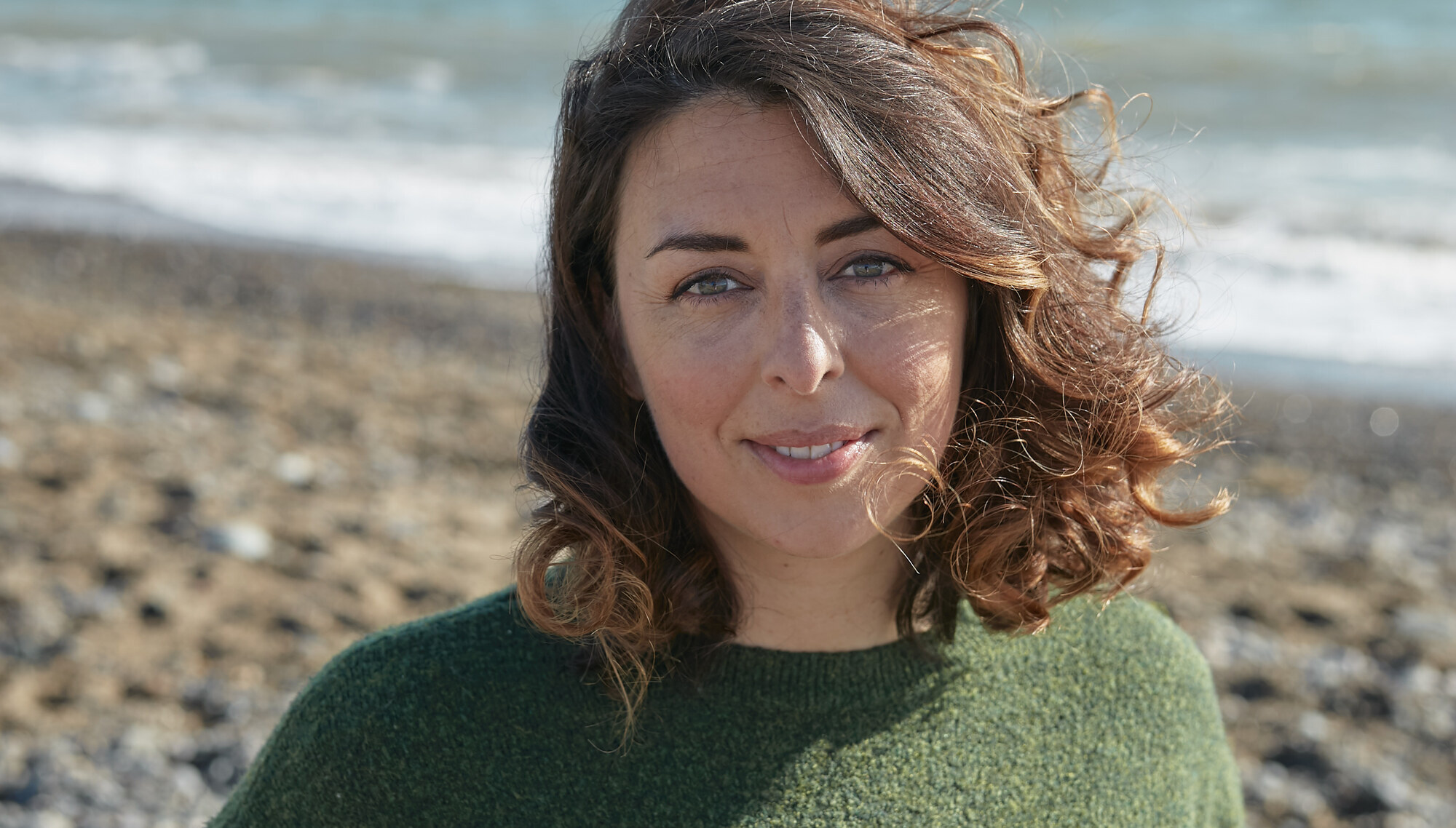
‘They took my cervix, fallopian tubes, uterus — my ovaries remain.’ Picture: Bríd O’Donovan

The day of my hysterectomy marked ‘the before’ and ‘the after’. September 2023, I was 40. For more than three years I had persistent difficulties around my period that were spreading into the rest of the month: Pain, bloating, digestive discomfort, heavier bleeding.

The symptoms weren’t debilitating when I visited the GP in 2022, but they became so.

Pelvic ultrasound showed several uterine fibroids. I was referred to a gynaecologist, and waited about a year to be seen.

Between going to the GP and meeting the gynaecologist, the symptoms progressively worsened. Bleeding outside of my periods, my period stretching into two weeks, big blood clots — there’s a violence to that.

The mental anxiety ... I was running an arts centre and the spontaneous bleeding that’d come on was very visible on my clothes, I’d have to scurry home to change. Other times, short flights to
London, my clothes soaked through. It was painful, inconvenient, embarrassing.

The doctors really did hear me, understand the problems it was causing. The gynaecologist said the only treatment to definitely resolve my symptoms was hysterectomy. I felt ready to make the decision.

I’d had real clarity for a long time about motherhood — I didn’t want children, never contemplated
giving birth like most women do, so there was no angst wrapped up in the what ifs of that. I feel lucky for having that clarity.

But the procedure did feel monumental — I felt nervous, apprehensive in a childlike way, I’d had no experience of major procedures … I went with it, I’d gone this far down the road and was keen to remedy the symptoms.

But what I didn’t feel ready for was for it to happen in eight weeks’ time. That felt very soon in the
context of how long I’d been waiting. And it would require six weeks off work — six weeks’ recovery.

I was going through divorce as well. Little moments … going in for preliminary tests and being asked for my next-of-kin. I’d forgotten my ex-husband would have been listed as that — all these small hurdles, emotionally, to get over. It felt like a test of my resilience.

They took my cervix, fallopian tubes, uterus — my ovaries remain. I don’t have a menstrual cycle in a visible way but I still have a hormonal cycle. The positive impact: No menstruation, or menopause, though that’ll come. At times, the physical recovery wasn’t pleasant, feeling weak, so tired. One day feeling dizzy all day, I couldn’t even stand.

The first days, my blood pressure was low — a very destabilising experience. My body would only allow me move at a slow pace, I felt I was shuffling, not able to take a full stride. The slowness of the six weeks of recovery gave me space to reflect on the marital separation, the hysterectomy. I typically move at pace — being forced to slow down was really valuable.

I spent a lot of time on my own, sitting by the fire, reading books, watching movies. I resisted occasionally but eventually settled into the rhythm. Certainly, a point came when I had to reckon with the experience of my marriage ending, my life looking completely different to how I thought it’d look — I’d expected to be living in partnership, not to find myself single at 40. In the beginning, it’s scary to reckon with that.

But I realised I was hardier than I’d given myself credit for, in heart and body. And it was clear I had such extensive support from friends, family, colleagues. There might have been a moment in a darker day when I thought I was alone. Realising I wasn’t gave perspective.

I don’t ask for help easily. Now I had no option … I needed help to get through the two: The separation and the hysterectomy. That was humbling.

A mantra that comforted: “Everything is always working out for me.” Things can go awry, unexpectedly, but there’s a way you can metabolise to say “I’m on the right path even if it’s difficult from time to time”.

I can wholeheartedly say I don’t miss my uterus. It was causing me a lot of trouble. Weathering symptoms grinds you down — the more I age as a woman, I realise people are concealing all sorts of physical experiences that are really hard going, concealing them almost as a cultural imperative.

Hysterectomy brought relief — a weight off, my shoulders are softer. Two months after, I went to London for a weekend, and realised: “I’m moving through the world in a less wound-tight way.” 

No calculating what extra clothes I might need, having supplies of pads, tampons — during heavy bleeds I’d have to double up — trying to be near a toilet, all the measures you put in place to pretend you’re living a normal life. I thought “I haven’t had a period in three months” and realised “things are different”.

I work full-time now as a theatre director, and in that leadership role, there’s relief — people need to know you’re reliable, not suddenly disappearing off because you have your period.

All things considered, I’m glad it happened when it did.

  •  Julie Kelleher directs Infinity by Hannah Moscovitch at Cork Arts Theatre, February 4-14, as part of the theatre’s Re-Directing series celebrating its 50th anniversary ( corkartstheatre.com)
  • She will also direct The House Must Win, Mick Flannery’s new musical drama at Pavilion Theatre, Dún Laoghaire, from April 16 ( paviliontheatre.ie) and The Everyman, Cork from May ( everymancork.com).

More in this section

Lifestyle

Newsletter

The best food, health, entertainment and lifestyle content from the Irish Examiner, direct to your inbox.

Cookie Policy Privacy Policy Brand Safety FAQ Help Contact Us Terms and Conditions

© Examiner Echo Group Limited