The only plank in the gym who can’t get a grip: The Dad Bod Diaries Week 4
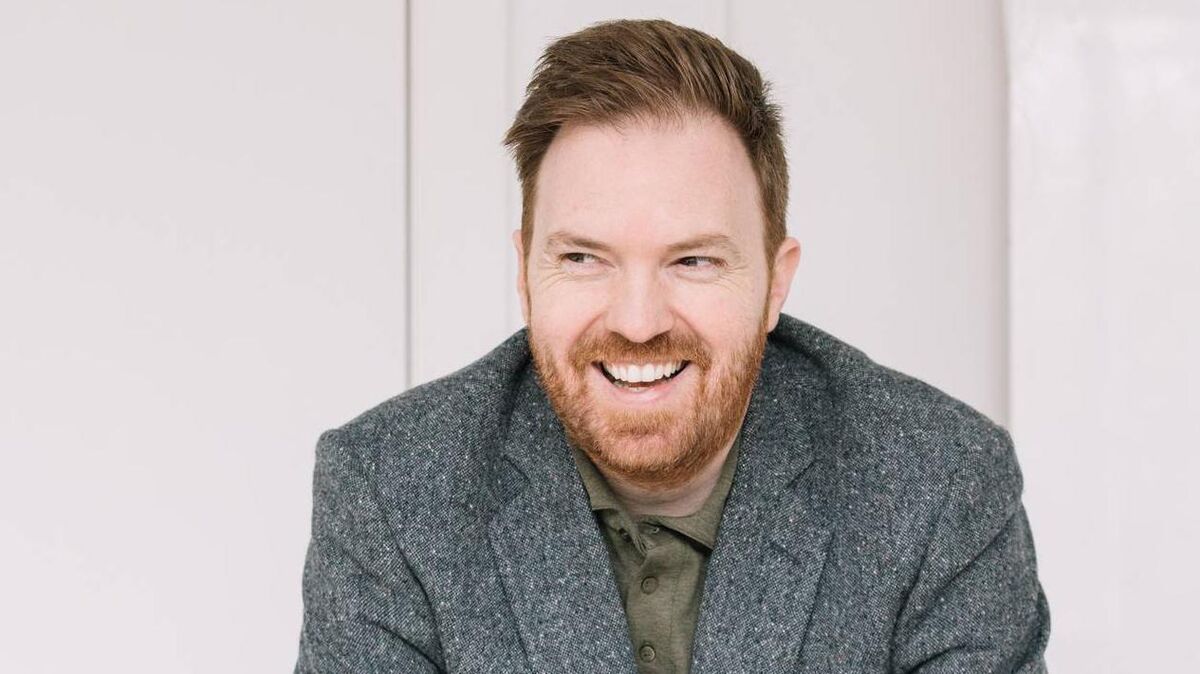
Bernard O'Shea: 'I’m not here to get ripped. I just want to get fit enough to carry the shopping from the car to the front door in one go.'
There’s a particular type of man you see in gyms who looks deeply comfortable around weights. He knows what they’re for.
I am not that man.
Mention lifting things, and my body immediately asks important questions:
Why? Why are we lifting this thing?
This is not new. I have been in a long, complicated, on-again, off-again relationship with gyms for most of my adult life. I have had so many gym memberships over the years I could write a love story called '50 Ways to Leave Your Gym'. It would start with optimism, progress through commitment, flirt briefly with routine, and then collapse quietly under the weight of reality.
In my 30s, you could get away with avoiding weights. You could jog a bit, play a bit of football, sweat occasionally, and your body would hold itself together out of loyalty.
It bounced back. It forgave you. It worked around your neglect.
But something has changed now.
I’m past the stage of believing I’ll get toned. I’m well beyond the fantasy of "getting ripped". Those words don’t even register anymore. What I’ve started to notice instead is something far more unsettling: I’m getting weaker, quicker.
The first signs weren’t dramatic. They were subtle. Getting out of the car began to require a noise. Carrying the shopping from the car to the front door turned into a two-trip job. Standing up after sitting too long involved a brief negotiation with gravity. None of it felt urgent. None of it felt alarming.
Until it did.
That’s why I finally admitted something I’d been avoiding for years: if I don’t lift things now, I will slowly lose the ability to do basic things later. Not impressive things. Not athletic things. Ordinary things. Functional things. This isn’t about a six-pack anymore. It’s about getting in and out of the car without assistance.
That’s how I ended up standing in front of Aidan, my new PT, on day one, telling him the truth straight out.
“I hate weights,” I said.
He nodded.
“And I’m not here to get ripped,” I added.
Another nod.
“I just want to get fit enough to carry the shopping from the car to the front door in one go.”
This, it turns out, is a perfectly acceptable fitness goal in your mid-40s.
The session started gently enough. Warm-up. Movement. Nothing threatening. I was chatty. Very chatty.
This is another thing I’ve learned about myself: I talk through the entire session. I never shut up. Not because I’m sociable — but because if I stop talking, I’ll have to concentrate on how my body is actually feeling, and my body has a lot to say. Mostly it shouts ‘Why are we lifting this?’.
Then Aidan said the words that would define one particular day: “Let’s try a plank.”
I’ve seen planks before. I’ve watched other people do them. I’ve even done them, briefly, in previous lives. In my head, a plank was not a big deal. Thirty seconds. Simple. Down you go, hold it, back up.
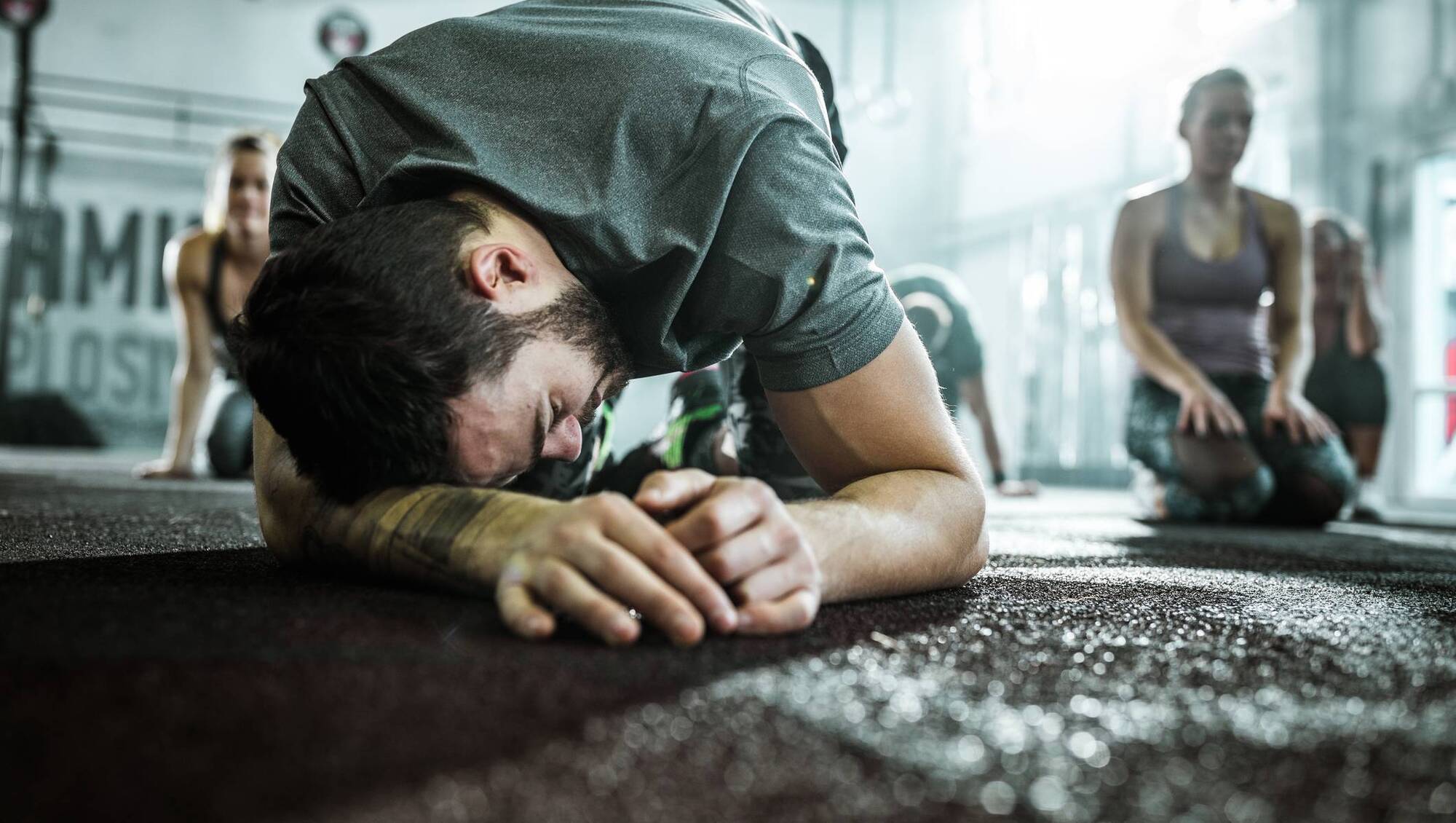
I lasted nowhere near 30 seconds. I collapsed in a way that was neither dramatic nor superficial, but deeply informative. There was no injury. No strain. Just an immediate and total failure of support. My arms shook. My core vanished. Gravity won.
As the session went on, another realisation followed, and this one surprised me more than the plank. We moved on to lifting, holding, and carrying. Not heavyweights. Sensible weights. Practical weights. And my hands failed. Not my arms. Not my legs. My grip.
My grip strength was pathetic. Almost non-existent. I couldn’t hold on for long. I kept dropping early. I laughed it off, but it rattled me. Let’s face it, grip strength isn’t cosmetic. Grip strength is life. Grip strength is opening jars, carrying bags, holding railings, and catching yourself when you stumble. Grip strength is independence.
Research shows grip strength is one of the strongest predictors of longevity in later life. People with weak grip strength are more likely to fall, lose independence, and struggle with everyday tasks. I didn’t know that before. I just knew that my hands couldn’t do what they should.
I didn’t lose my abs. I lost my hold.
By the end of the session, I was tired in a way that felt unfamiliar. Not wrecked. Not destroyed. Just… exposed. Like someone had turned a light on in a room I hadn’t been using. I still hated lifting things. I still didn’t understand why we were putting them down just to lift them again. I still talked through the entire session. But I returned and still return.
And that’s new. Because the truth is, this time feels different. Not because I’ve discovered motivation, or discipline, or some hidden reservoir of willpower — but because I’ve accepted reality.
I’m not training for a version of myself I used to be. I’m training for the version of myself I want to remain.


CONNECT WITH US TODAY



Be the first to know the latest news and updates