Caitríona Redmond: How to fill the ‘hungry gap’ with local food
Climate positive dining means eating with the seasons and Irish produce has a lot to offer
Caitríona Redmond: How to fill the ‘hungry gap’ with local food

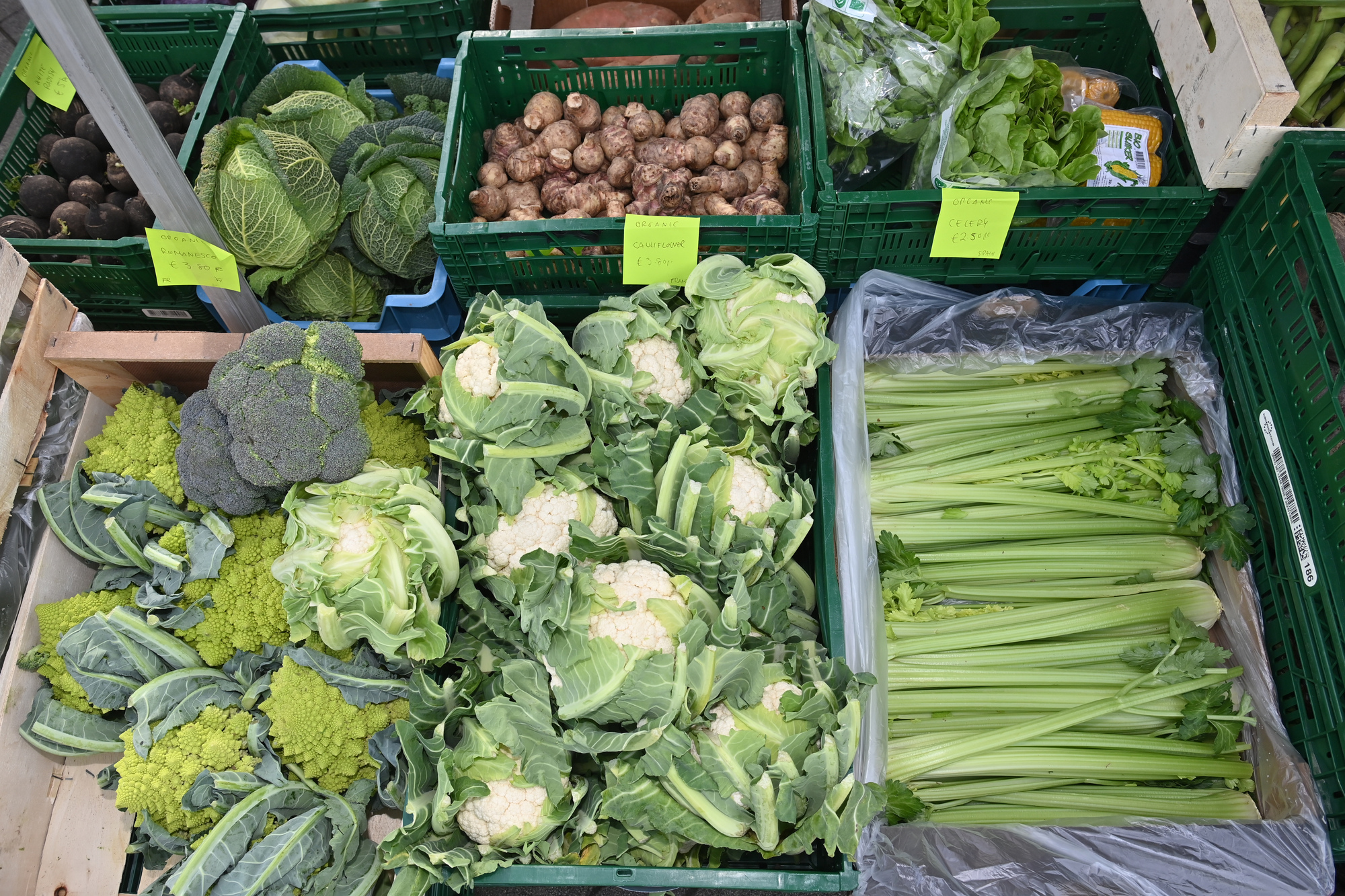
There’s a wide range of vegetables available right now, with rhubarb on the horizon too. According to Bord Bia there’s kale, celeriac, beetroot, mushrooms, parsnip, lettuce, leeks, cauliflower, carrot, cabbage and brussels sprouts. File picture: Dan Linehan

For many years now I’ve been growing my own food at a plot that’s just 10 metres x 20 metres and is close to my home.

The allotment has evolved in time from a space that I used to contain toddlers to prevent them running after the pigs, to a lush habitat that houses hedgehogs and feeds my family. Nowadays it’s less about containing the children and more about meeting their insatiable appetites.

This time of the year is often called the ‘hungry gap’. Technically that’s when the winter veg begins to die off and there’s still a few weeks, if not months, to go until the soft fruits fill out and brighten my meals with the taste of sunshine.

Though it’s not that much of a hungry time of year if you’re eating local food... so long as you know where to look.

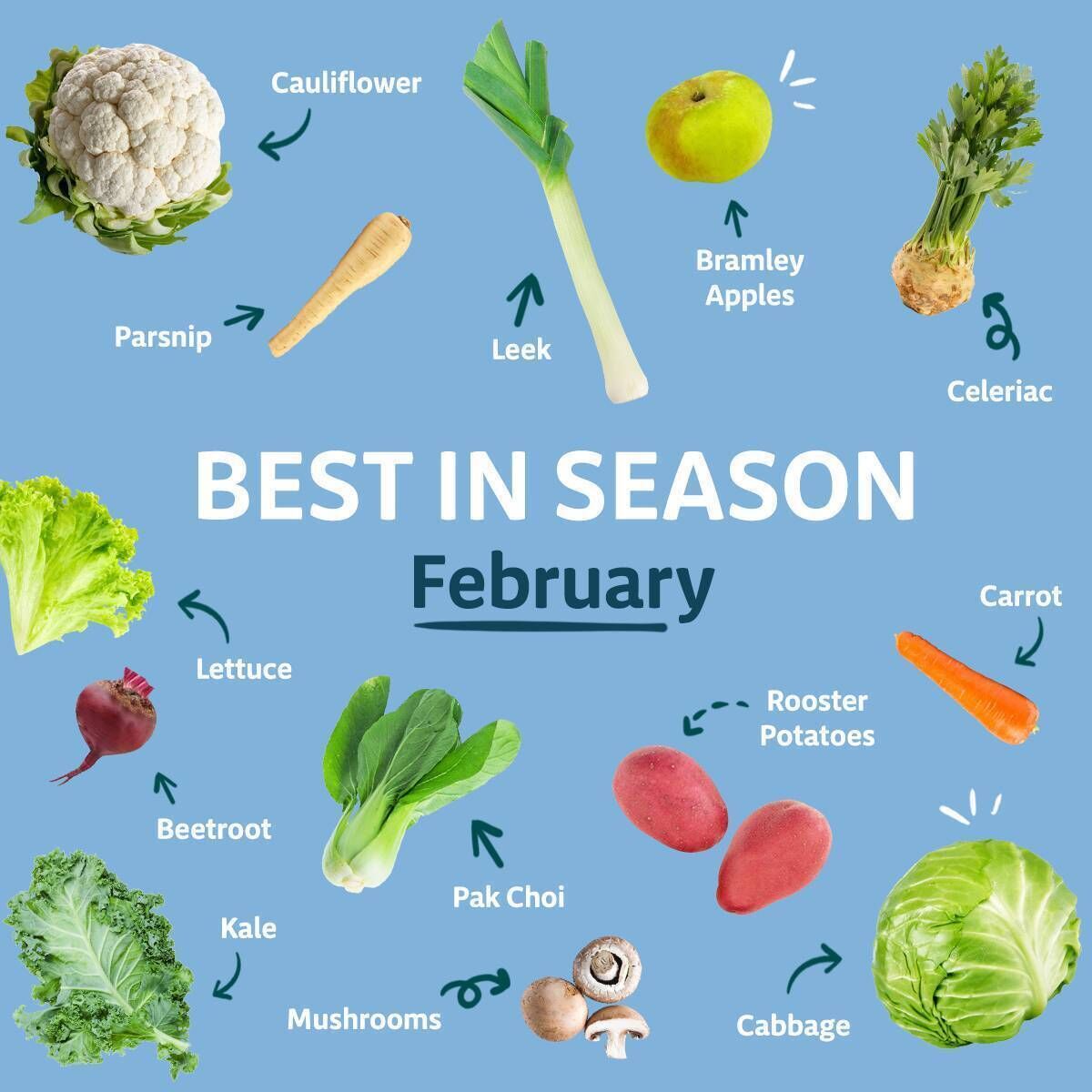
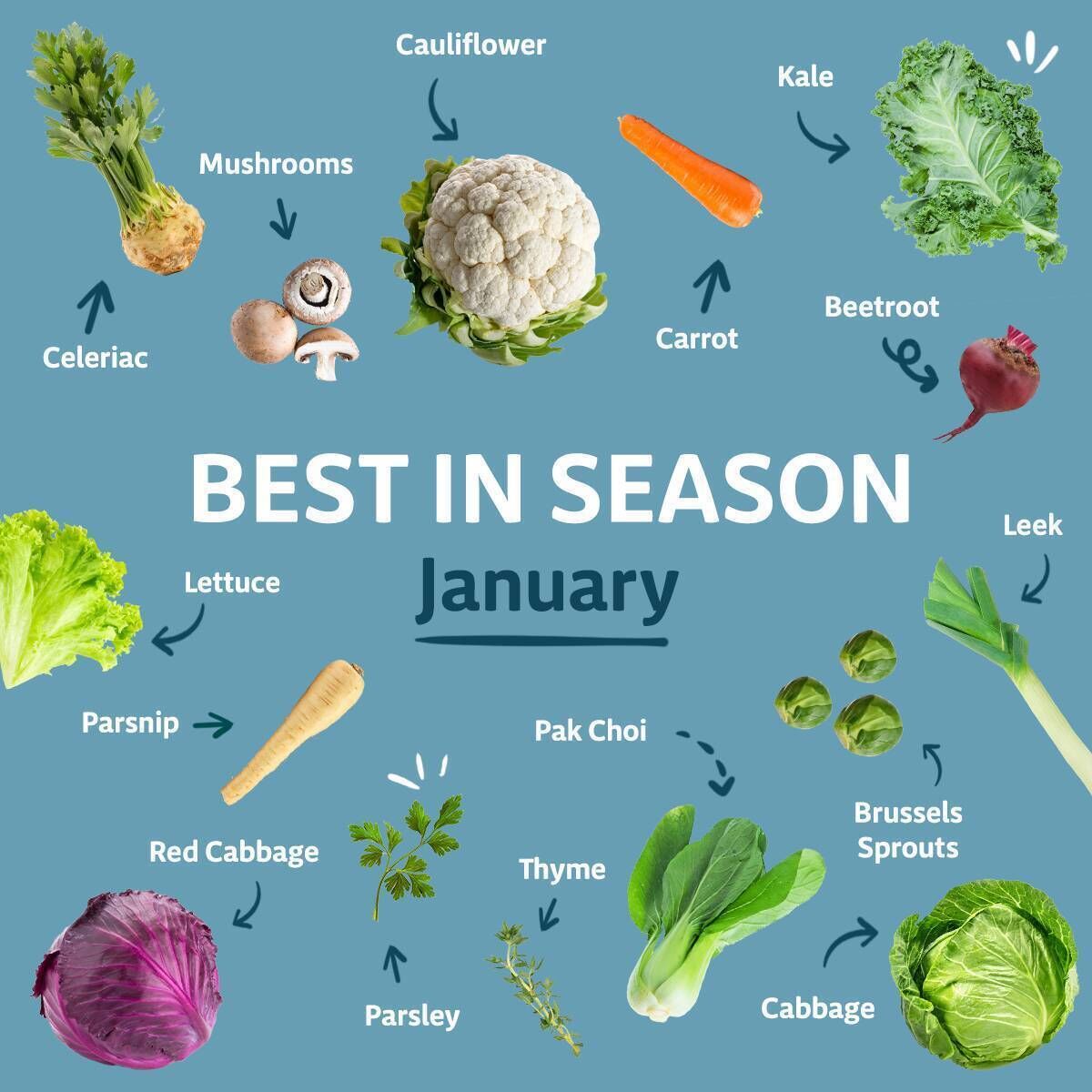
There’s a wide range of vegetables available right now, with rhubarb on the horizon too. According to Bord Bia there’s kale, celeriac, beetroot, mushrooms, parsnip, lettuce, leeks, cauliflower, carrot, cabbage and brussels sprouts. 

Best in Season - January. Image: Bord Bia

That said, you should also be able to get various herbs such as parsley and thyme, purple sprouting broccoli, and spinach.

While not technically in season, you should be able to buy onions, potatoes, apples, and pumpkins — they’ve been stored to use all year around. Items like tomatoes and peppers, along with other soft fruits have been imported to meet demand. 

Best in Season for February. Image: Bord Bia 

Irish consumers have become used to buying unseasonal produce all year around and that has created a demand that keeps international growers and shipping companies busy.

Growers in the Netherlands have long used high-tech systems for growing, with LED lights and hydroponics all year around. They may not have as strong sunshine as Spain or Portugal but this technology is why you may also see peppers and tomatoes from The Netherlands on your supermarket shelves. The balance of out-of-season items on the shelf have been shipped from Northern Africa, and the Iberian Peninsula for the most part, although some come from as far away as South America.

As the days got shorter, people passing by the Dublin Airport area or the M50 may have noticed a pink light in the sky at night. It’s particularly noticeable when it’s cloudy as the pink reflects off clouds. The pink lights are part of a grow lighting system at Keelings, an Irish fruit producer. 

A combination of light and heat allows them increase the number of cultivation cycle per year and grow Irish strawberries out of season.

The best way to support Irish producers is buy in-season and supplement your ingredients with tinned or frozen veg if you absolutely need an ingredient.

At this time of the year tinned tomatoes or jarred peppers are more economical. Nothing beats the flavour of a freshly-picked
sun-kissed tomato and we will have to wait until May before Irish tomatoes start to filter into supermarkets at an affordable price.

Generally local and seasonal food has the least amount of food miles and a lower carbon impact compared to items that have travelled thousands of kilometres to make it to your shopping basket.

Buying directly from the farmgate or at a farmers market is great for paying the food producers directly but it’s not always an
option for busy families.

When in the supermarket, always check the packaging for the Bord Bia mark which says that the item is Irish. That’s a great start to eating seasonally and hopefully lowering the carbon footprint of a supermarket trolley.

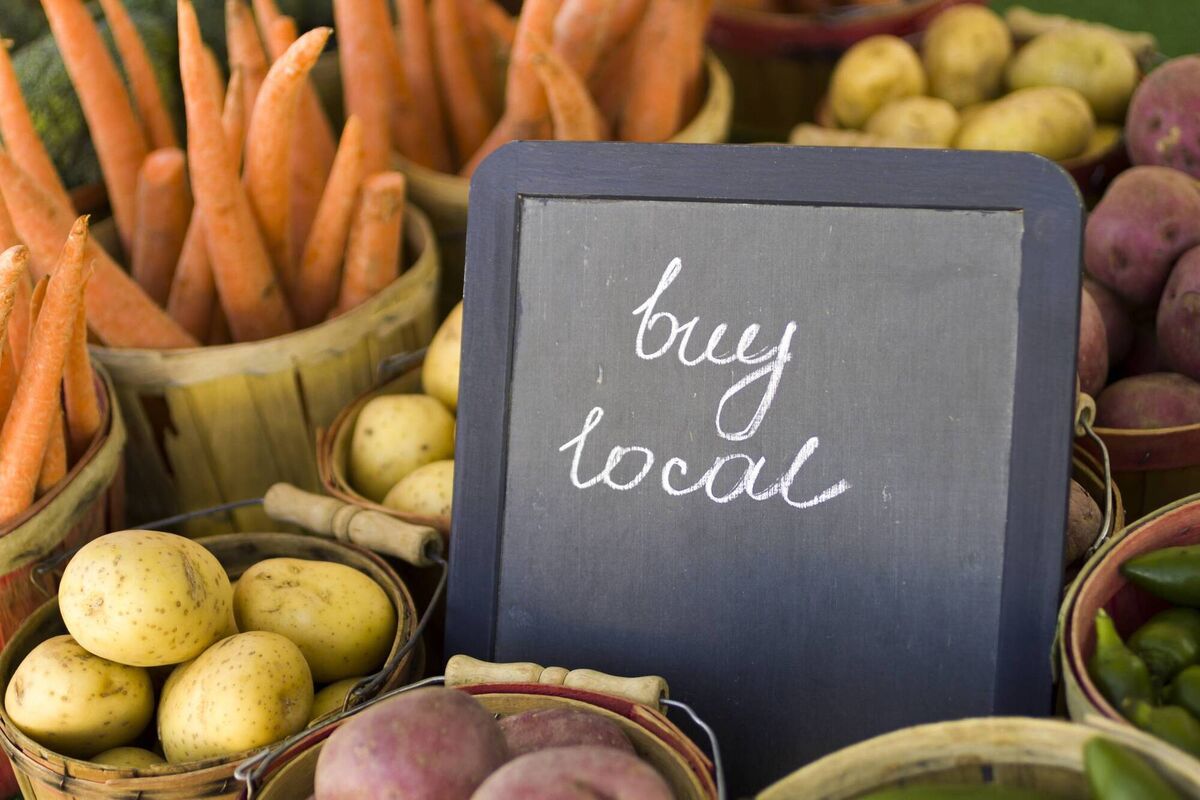
There’s a common misconception that farmers markets are pricey but I’ve not found this to be the case.

There’s a common misconception that farmers markets are pricey but I’ve not found this to be the case. If I were to wander around and buy baked goods or pre-made meals then I’d have spent a chunk of money compared to a supermarket shop.

Buying directly from the farmer is affordable and in many cases the fruits and vegetables are fresher and worth more on a weight basis. Even when it comes to organic produce from my local farm I find it great value for money, although the overall shop adds up as I’m enticed by so many other lovely items on display!

So, what can we make with these ingredients, they’re not all that thrilling — are they?

Kale is incredible and moreish when it’s washed and sliced thinly then mixed with a little oil and salt. I spread it out on a baking tray or tumble into the air fryer on 180°C for just 10 minutes until it turns slightly crisp on the edges.

Maybe you’re more familiar with champ — again a great way to use up cabbages, onions and potatoes. Potato-and-leek soup is a lovely crowd-pleaser and of course everything goes well into a stew.

All the cruciferous/brassica vegetables — cabbage, kale, cauliflower, broccoli and sprouts lend themselves very well to Asian braises and pickles. Kimchi (a Korean fermented cabbage side) is becoming very popular in Ireland and is easy to make with gochujang (red chilli paste) and Irish veg.

Finally, don’t forget coleslaw! It might be far from kimchi we were reared, but it’s still a similar way to use up seasonal vegetables.

Redmond Recommends:

In case you weren’t aware, the cost of posting a letter will rise on February 3. For national postage, the 'N' stamp is increasing from €1.65 to €1.85.

There’s a new European stamp costing €3.50.

And worldwide postage or 'W' is increasing to €3.95.

Stamps hold their value though. In the case of the 'N' and the 'W' stamps you can continue to use what you have to hand without paying the price difference. Even older stamps with the cents value printed in the corner can still be used, so long as you add up the value to the cost of the letter or package you are sending.


x

More in this section

Lifestyle

Newsletter

The best food, health, entertainment and lifestyle content from the Irish Examiner, direct to your inbox.

Cookie Policy Privacy Policy Brand Safety FAQ Help Contact Us Terms and Conditions

© Examiner Echo Group Limited