Caitríona Redmond: We’ve had enough jargon — why do we feel like we have less money?
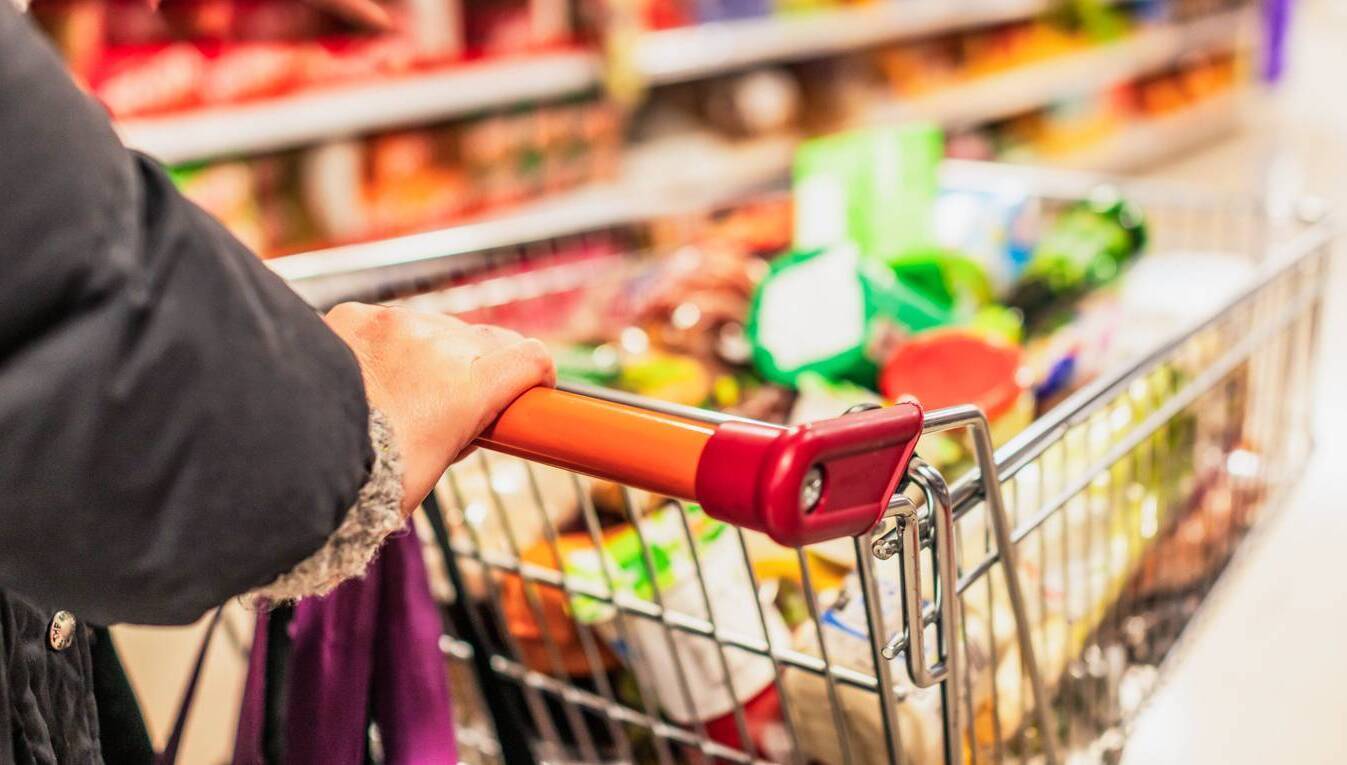
The terms negative consumer sentiment, Vibecession, Boomcession, and K-Shaped Economy don’t quite describe that bad feeling when we struggle with the cost of grocery shopping. It’s time to debunk the jargon and start calling the high cost of living a saga.
Caitríona Redmond: We’ve had enough jargon — why do we feel like we have less money?

We are getting less food for our money. More expensive shopping trolleys mean less money for discretionary treats like cinema trips or family excursions.

I remember when I first started writing for the Irish Examiner, sitting in Belfast on a research trip, looking at the headlines about the Russian invasion of Ukraine, hoping it would be a short-lived incursion.

The research aimed to determine if the cost of grocery staples was higher, lower, or similar on either side of the border. Even then, before the conflict-induced spikes in energy began to impact our shopping baskets, Irish consumers were rattled by the impact of heavy rains on the Iberian Peninsula — which destroyed many production areas, causing the price of fruits and vegetables to rapidly increase.

According to the International Monetary Fund, low, predictable, and stable inflation is good for an economy. Generally, that ranges from 2 to 3%, but ideally around 2%, annually. The consumer price index has increased by 17.4% in the past four years — measured January 2022-January 2026. Meaning a basket of goods which cost €100 in 2022 now costs €117.40 today — over double that of a ‘healthy inflation rate’ of 8% over the same period.

It is fair to say we are in a period of negative consumer sentiment. You don’t need me to tell you this, though; it’s on display in every shop, every day in Ireland.

While doing my weekly shop, I cast my eye over the easter eggs and noticed that some eggs no longer contain chocolate. Hershey, which manufactures Reese’s products, has opted to drop the milk chocolate coating on some of its Easter eggs. The affected products still have a dark flavoured coating, it’s just not legally chocolate either in the US or here in Europe. Penguin and Club bars also went this route in 2025.

I shared a picture of the peanut butter eggs on Instagram, asking followers if they could spot the missing ingredient. Most responded with ‘chocolate’ and some said that they would not be buying easter eggs this year, as they don’t feel they are getting value for money or could not afford them.

LESS FOR MORE: "After mortgage/rent, possibly childcare, and utility bills are paid, the shopping trolley is filled from a smaller pot and is also impacted by shrinkflation."

While inflationary increases outside of the grocery list seem to have settled, although still increasing slowly, the cost of food continues to put families under pressure. The weekly shop has become a budgeting battleground for householders.

After mortgage/rent, possibly childcare, and utility bills are paid, the shopping trolley is filled from a smaller pot and is also impacted by shrinkflation. We are getting less food for our money. More expensive shopping trolleys mean less money for discretionary treats like cinema trips, a couple of drinks in a pub, or even a restaurant meal.

As our money is spent from a dwindling pot for less, the knock-on effect is that poor consumer sentiment or bad vibes, as economist Kyla Scanlon puts it, becomes a “vibecession”. Matt Stoller uses “boomcession”, and both terms describe the disconnect between consumer sentiment and a booming economy, not necessarily benefiting those same consumers.

What’s a K-shaped economy then? This happens when consumer sentiment declines due to the high cost of staples, and even some items — like butter — feel like a luxury for some. On the other hand, high earners begin to earn and spend far more at the top end of the market. Consumer sentiment is the bottom leg of the letter K, and the high-ticket items are at the top; both happening at the same time in the same place.

Looking at the existing Irish economic landscape, it’s easy to apply all these terms — low consumer sentiment, vibecession, boomcession, and K-shaped economy — but I’m not sure any individual description accurately captures what we are experiencing.

One thing is clear: the existing systems that measure the inflation and perceived success of an economy don’t reflect the lived experience of many, many families in Ireland. They don’t feel that things are improving, and they certainly feel worse every time they walk up to a checkout or nip to the shops for a pint of milk and a loaf of bread.

After four long years, to describe the current situation as a ‘cost-of- living crisis’ is ridiculous. The word ‘crisis’ is associated with a pivotal moment or a catastrophic event occurring over a short period of time. It suggests that the event is temporary and will pass.

Time has shown that these cost of living increases have not been fleeting issues impacting our shopping trolleys and wallets.

We need a word that more accurately describes a long, drawn-out period of time with no end in sight.

I believe that since 2022, we have been living in a ‘cost-of-living saga’.

If we start using the term ‘saga’ to describe the Irish cost-of-living situation, it stops being interpreted as a transient issue.

All great stories must come to an end. I’m hoping that the cost-of-living saga will eventually meet its demise, well before more families slip into poverty as they try to balance the books and put food on the table.

REDMOND RECOMMENDS 

According to the European Recycling Platform, almost 50% of batteries sold in Ireland end up in landfill. Batteries for Barretstown 2026 is their national schools recycling challenge, supported by Kayleigh Trappe, who calls on students and their families to take part in a spring-clean effort.

Kayleigh Trappe pictured with students of St Mary's National School, Threemilehouse, Co Monaghan for the launch of the European Recycling Platform's Batteries for Barretstown. 

Schools that register will receive a free recycling kit, along with an education pack for classes. Donations will be made to Barretstown for batteries collected and recycled. The challenge is open to all primary and secondary schools in Clare, Cavan, Kerry, Louth, Meath, Monaghan, and Dublin Fingal. Find out more on erp-recycling.org/ie/who-are-you/schools-barretstown/

x

More in this section

Lifestyle

Newsletter

The best food, health, entertainment and lifestyle content from the Irish Examiner, direct to your inbox.

Cookie Policy Privacy Policy Brand Safety FAQ Help Contact Us Terms and Conditions

© Examiner Echo Group Limited