Caitríona Redmond: Why are we introducing children to gambling at Christmas — or ever? 
Online loot and mystery boxes are a slippery slope for many children
Caitríona Redmond: Why are we introducing children to gambling at Christmas — or ever? 

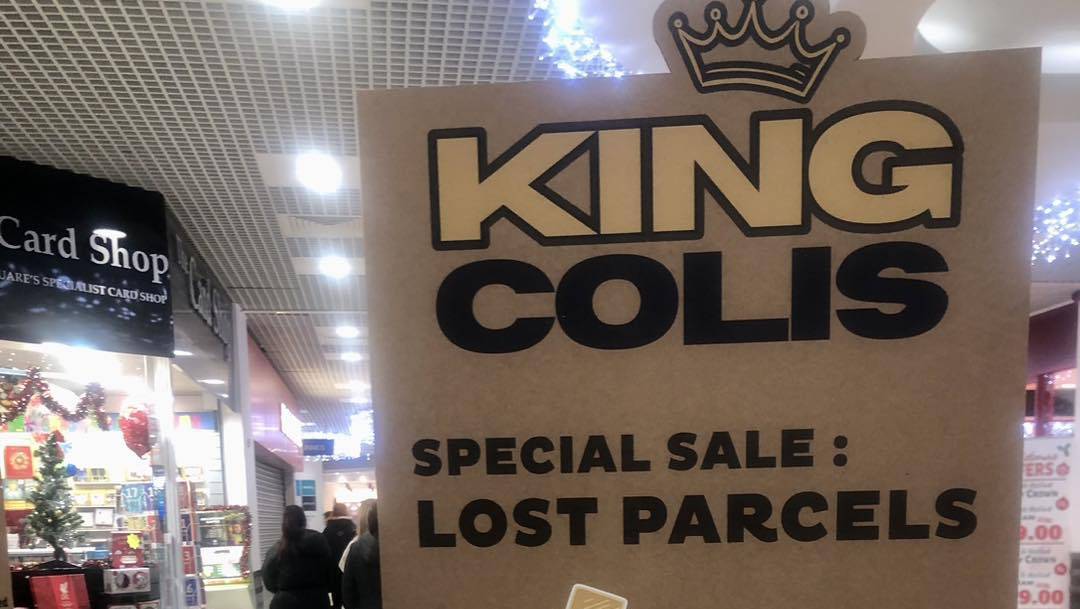
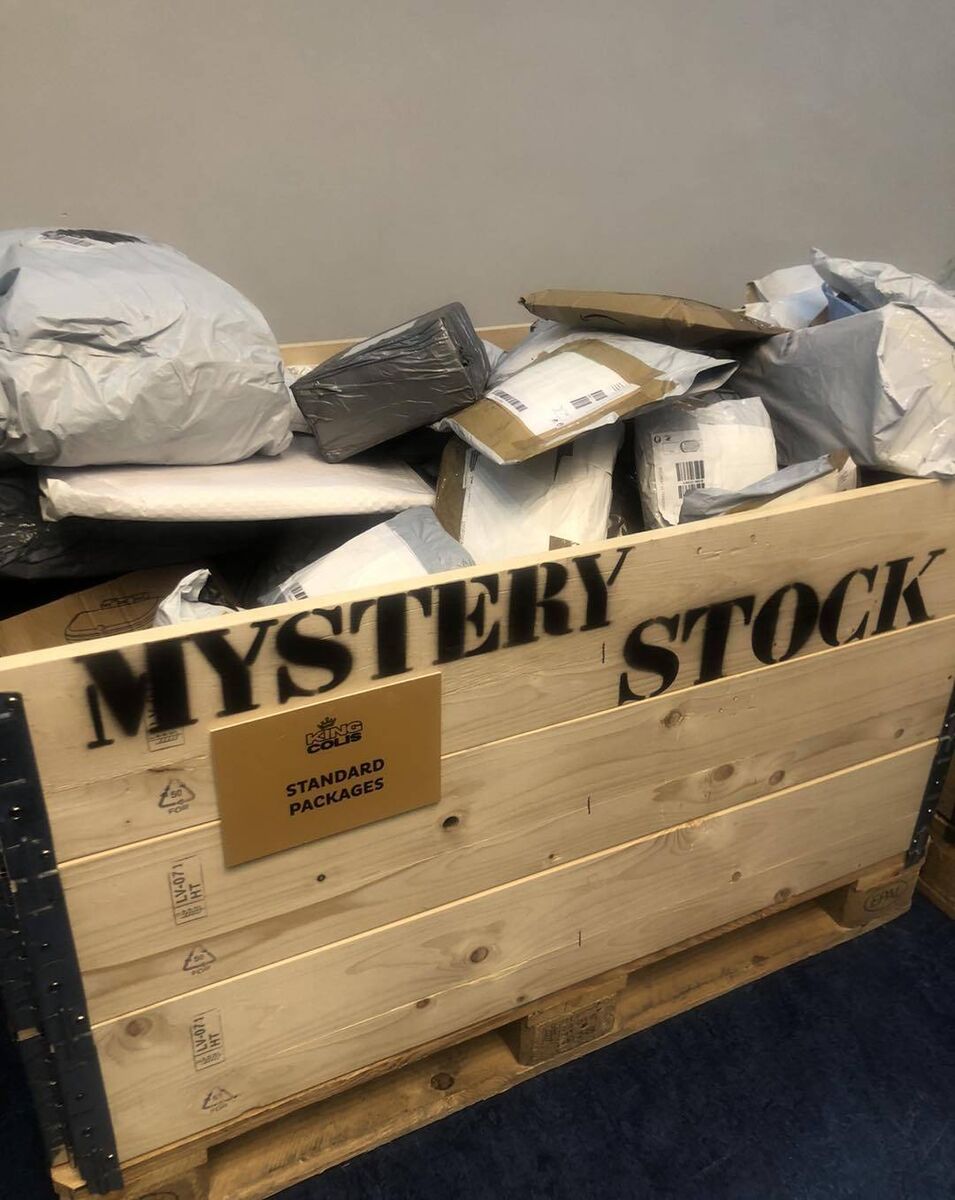
King Colis is a company that specialises in buying lost e-commerce packages and then reselling them as ‘mystery parcels’ to customers willing to gamble on getting a bargain. Pictures: The Square Tallaght
It goes without saying that I hope that you and yours have a wonderfully bright and relaxing Christmas. Unfortunately, it’s the one time of the year where consumers can be particularly
vulnerable, as we try to find the perfect present to delight those we love.

There’s one last thing that maybe you haven’t thought about when it comes to Christmas presents and the young people in your lives spending their Christmas money. And that’s mystery and loot boxes.

Sale of lost packages

Recently in Tallaght, the shopping centre became host to a mystery package extravaganza hosted by King Colis.

King Colis is a company that specialises in buying lost e-commerce packages and then reselling them as ‘mystery parcels’ to customers willing to gamble on getting a bargain.

Influencers were enticed to visit the location, share their experiences, and display what they got in their mystery boxes — which cost upwards of €120.

Call me a cynic, but those mystery boxes were not quite what they were cracked up to be.

King Colis mystery boxes

From doing a little bit of background research, it seems impossible that the packages that King Colis had on sale were truly a mystery. There is a very simple reason ... and it is GDPR.

If these packages were indeed a mystery, then they would still contain the address and name of the original purchaser.

Yet every single package has been anonymised and there are no delivery slips contained within.
These packages are then made available to consumers to buy.

The company benefited from long lines of people queuing for a chance to discover a premium item at a lower price. And that word ‘chance’ is the most important word in the sentence.

Labubu dolls

You’ve probably heard of the Labubu Doll craze which swept up children and adults up and down the country over the last 12 to 14 months. You probably didn’t realise Labubus are sold in a mystery packaging format. This means that which doll you get is down to chance.

Digital loot boxes

If you have any young teenagers in your family who enjoy playing Fortnite or Roblox, they may be using some of their Christmas gift cash to buy mystery loot boxes. These are digital boxes which contain a prize which can be used to unlock elements within the video games. Again, there is an element of chance here and the purchaser can gain something that can be worth far more than what they spent or the same as what they spent.

A long-running trend

Maybe all of this sounds a little far-fetched to you, and you may think that these mystery games or a loot boxes are a modern invention. Need I remind anybody of football stickers, pogs, or Telecom Éireann phone cards. All of these were collectible trends where the items were purchased sight unseen, and the buyer had a chance to gain something that was worth more than they had paid for.

Consumers are encouraged to spend their money on an item with an element of chance.

Does that sound like a lottery ticket to you? If your answer is yes, well then, you’re not on your own in making this assumption. All these products contain gambling in some shape or form, and I want to make you aware of how dangerous that can be.

Gambling red flags

Here are red flags to look out for:

  • Gambling has three components — consideration, chance, and prize. Mystery boxes and mystery envelopes of collectible cards contain all three of these. The contents are determined by a probability that consumers cannot control or influence, and the potential items will have varying market values, desirability, and scarcity.

Different prices create an incentive structure. For example, with those blind boxes that we talked about earlier, the rarer items cost more. As the buyer, you know you’re paying more to buy a chance to receive something that’s worth far more than the purchase price.

  • Rewards mirror gambling models. Occasionally, a buyer will get something exceptionally rare and that creates a pattern where the buyer gets excited and is then disappointed and may be motivated to purchase again — or they receive something rare and are motivated to purchase it again regardless. It increases compulsive spending.
  • Chance. The skill of the purchaser is completely irrelevant, and chance will determine the result. The buyer is motivated by the chance of getting a big reward, not the guaranteed item.

The big question here is whether the sale of these mystery items — be they mystery parcels, digital loot boxes, or even football cards — should be regulated by the gambling regulator.

I believe they should and it is especially important to protect those, such as children, who are vulnerable in our society. The regulation of loot boxes, mystery boxes, and games is long overdue.

Before you hand over a voucher for an online game or football cards to your sons or daughters, nieces or nephews, or grandchildren, please ensure that this money will not be used to set them on a path for further gambling in future.

Redmond Recommends

Last Minute Tips

Don’t forget that you can never have too many batteries, buy in advance to save hassles on the day. If you’re discarding batteries, be sure to put them aside for a battery recycling location and never put them into the waste bin as they can cause fires.

Remind Santa to set up any new consoles before Christmas morning, including setting up online accounts. Sometimes online platforms can be exceptionally busy and slow to load on the 25th December.

If you’re worried about getting a dodgy Christmas present, keep an eye out next week for my guide on exchanging and returning!

More in this section

Lifestyle

Newsletter

The best food, health, entertainment and lifestyle content from the Irish Examiner, direct to your inbox.

Cookie Policy Privacy Policy Brand Safety FAQ Help Contact Us Terms and Conditions

© Examiner Echo Group Limited