Richard Hogan: School refusal, why it happens, and how to tackle it
"The research on the impact of the Covid-19 restrictions on our children’s development has yet to be fully understood. But those working in schools, and in psychology, see the residual scars every day of dealing with teenagers and families."
Richard Hogan: School refusal, why it happens, and how to tackle it

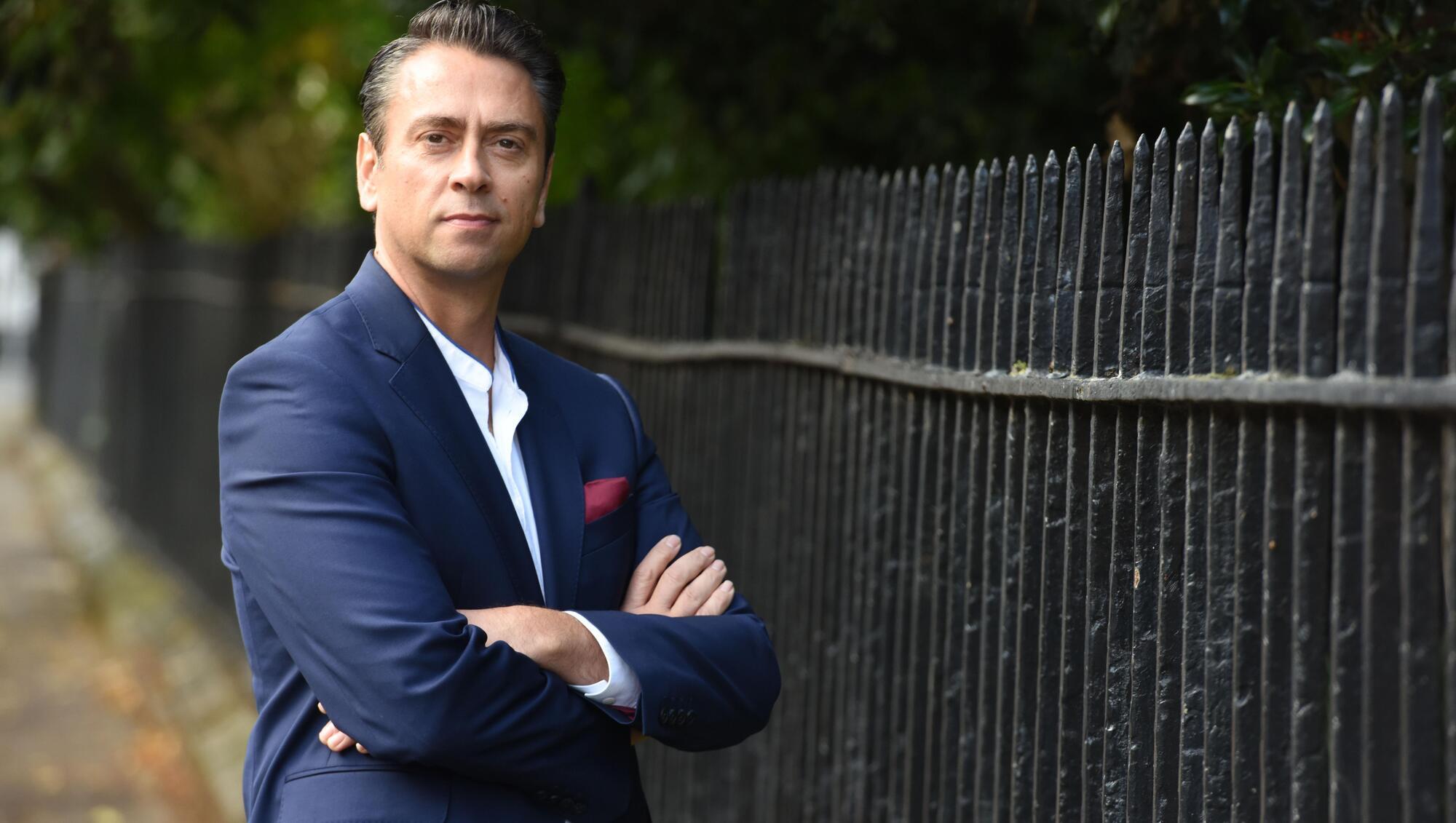
Richard Hogan: "When a child avoids, they don’t believe they can manage what will come their way. When they think about the road ahead, the future, they are overwhelmed with fear or dread". Photograph Moya Nolan

We are now three weeks into the school term, and for some parents the struggle to get their son or daughter to school every morning has started to intensify.

School refusal has been a serious issue since the Covid-19 crisis.

The moment we cancelled school and broke concrete norms, we created a serious rupture in the psychology of our children.

We gave them such deleterious messages in that difficult time. Working clinically with teenagers for so many years, I have never met a cohort of students more fearful of becoming an adult.

I hear their thinking every day, and I hear their fears about responsibility. They tell me that they see their parents and they feel like it is far too much pressure to live as an adult.

The litany of chores is exhausting to them: Bills to pay, lunches to be made, clothes to be washed, early mornings. It is very sad to see so many teenagers fearful of the future.

The pandemic, and the cancelling of school, has caused a disturbance in how children perceive themselves and their competency.

The research on the impact of the Covid 19 restrictions on our children’s development has yet to be fully understood. But those working in schools, and in psychology, see the residual scars every day of dealing with teenagers and families.

Anxiety is the fear of an unknown future event. When we believe we do not have the skills to meet that unknown future, our warning system fires. This is such an important understanding for parents, because the antidote to this is having memory of overcoming adversity and challenges.

During the pandemic, everything got cancelled: Going to the Gaeltacht, discos, dating, sleepovers, school trips, etc.

These are all normative, healthy experiences that children go through on their journey to becoming an adult. 

We have memory for two very good reasons: To protect us from danger, and to allow us to accurately predict who we will be tomorrow.

If we have no memory of dealing with difficult experiences, and overcoming them, when we think about the future we will be paralysed with fear. 

We all know the responses to a stress-inducing event: Fight, flight, or freeze. When a child avoids school, they can be in flight and freeze mode.

The image I often give parents to help them understand how their child is feeling and thinking is driving at night. I explain: When you drive at night, you only have limited vision of the road ahead. Now, if you want to know every single thing that is going to happen on that journey before you take off, you will become paralysed by analysis.

We cannot predict everything that will occur on that journey. So, we are only able to undertake that journey when we believe we will be able to manage whatever comes our way on that road.

When a child avoids, they don’t believe they can manage what will come their way. When they think about the road ahead, the future, they are overwhelmed with fear or dread.

Their intervention for that is to avoid it altogether. The moment they avoid is the moment they become stuck. The thing they use to satiate their fears is the thing that increases their fear. In psychology, it is called a positive feedback loop. Positive means the rate of growth.

When they avoid, they feel better in that immediate moment, but they are becoming stuck. And it can be pretty tricky to break.

We have to be careful about the messages we give our children. We must not align with them when they start to avoid things. The antidote to it is exposure. Creating positive memory of overcoming is vitally important if we want our children to thrive.

When a teenager is stuck in avoidance, it is crucial that we break this loop. Getting them to go in for the morning, making a deal with them that if they still feel bad they can come home later in the school day, is a good tactic to break avoidance.

What you are trying to do is show them that it’s not as bad as they are thinking. I have worked with the most entrenched cases of refusal, and it is always surprising how quickly things can turn once they realise what they are doing isn’t actually helping, but destroying, their joy.

Teenagers don’t want to be stuck in their room. But the room is knowable and predictable. The room can also be really fun, if the games are allowed in it.

Take all games and devices out of the room and make sure that you are not complicit in their avoidance of real life. The games are so immersive that the teenagers can disappear into a fake world.

Don’t allow this to happen. What we have to do is help them out of that thinking and show them that the future is not a scary thing, but exciting and full of hope.

Our children want to thrive in life; no child wants to be stuck in their bedroom with limiting self-beliefs. The more they go out into the world and push themselves, the more powerful they feel.

More in this section

Lifestyle

Newsletter

The best food, health, entertainment and lifestyle content from the Irish Examiner, direct to your inbox.

Cookie Policy Privacy Policy Brand Safety FAQ Help Contact Us Terms and Conditions

© Examiner Echo Group Limited