Saturday with Niamh McEvoy: You’re working with animals so things can go wrong
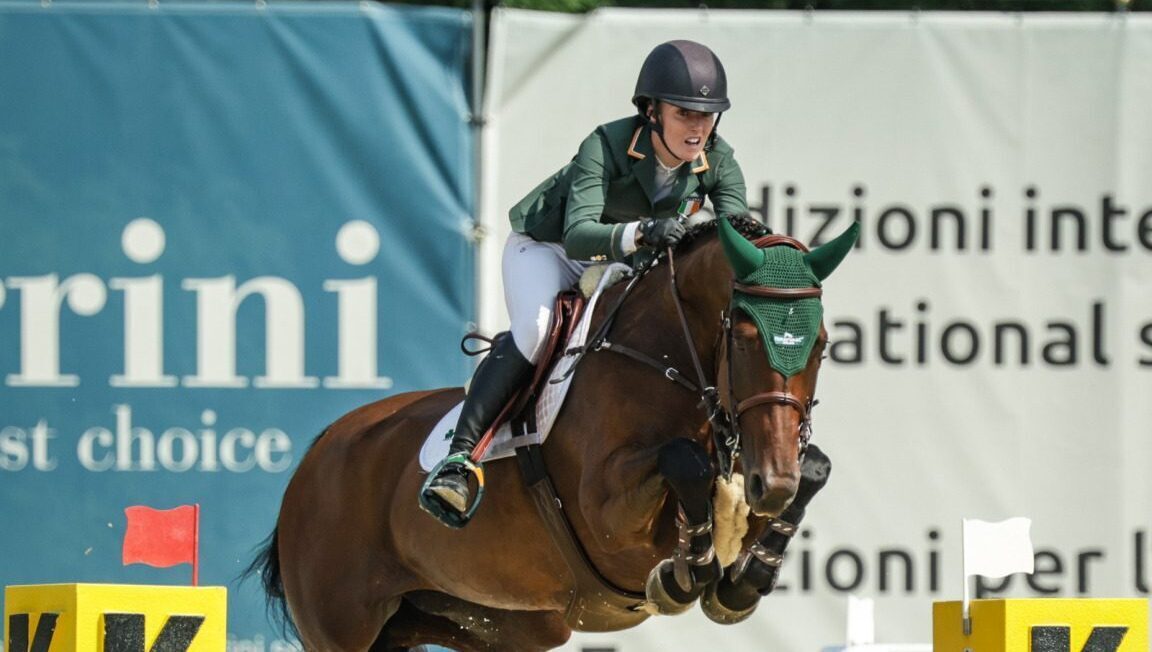
I’ve been jumping in shows since I was about five but when you go to big shows like the Dublin Horse Show or the European Championships the novelty never wears off
Usually Saturday is show day. We have to be in the yard for 7am so I’ll be up at 6am/6.30am. I’m not a breakfast person so I’ll usually just have water.
The horses will be fed, we’ll put them on the walkers or in the spa. The grooms will have the horses plaited and washed so we’ll give them a brush off and they’re ready for loading.
We spend all week preparing and hope that on Saturday it all comes together. We aim for them to peak at the big shows like the Dublin Horse Show and the Premier Series.
The horses have to be fit, but the industry is becoming more professional in terms of the fitness of the riders too, so I try to swim once or twice a week, do pilates and go to the gym.
We like to get to competitions early, walk the course and set everything up. Usually we’d get on the first horse, give them flat work and then take them to the warm up arena.
Typically the first horse is in the arena at 9am. We are usually only in there for 90 seconds so everything we do all week works towards that. I’m lucky that there are about 70 horses in our yard — at my age it’s important to get lots of time in the arena — that’s the best way to get experience.
Some days you can go horse to horse with only a small break in between, but there can also be quite a few hours between horses, so you’ll have time to grab lunch and help other riders out.
The grooms work extremely hard and work very long hours. The riders too have to be very dedicated and driven. Show days can be stressful but everyone tries to do their best. If you’re organised and you have a good plan you’ll do well. Of course you’re working with animals so things can go wrong but you have to take it all in your stride. A rider should know whether their horse is in form or not. You have to do your best to understand what they’re feeling because obviously they can’t speak. It’s important to be very observant. These horses do much for us and we love them. Our number one priority is that they are happy and healthy. We make sure they move as much as possible, go to the field every day, they get water treadmills... they have a very varied routine.
The shows will go on until maybe 6 or 7pm. It’s important to eat, stay energised and hydrated. It’s a long time to focus on one thing. You have to be in the zone but the more you do it the better you get at it. I’ve been jumping in shows since I was about five but when you go to big shows like the Dublin Horse Show or the European Championships the novelty never wears off — everyone still gets nervous. You have to try to make sure that you and your horse are peaking at the same time. The atmosphere at the shows is brilliant. There can be more unlucky days than lucky ones. When you win, it’s a nice sense of reward. You have to be resilient but it’s also very important to surround yourself with good people who want you to do well. It’s important to analyse things when they go wrong but not to dwell on things. Horses are very intelligent. Confusion is the biggest barrier when training a horse and patience is the biggest thing — you have to find a different way to explain what you want of them if they don’t understand.
The grooms will wash the horses, put ice on their legs, do some rehabilitation. We’ll get the tack packed away, load the horses up and then we’re ready for home. The team at home will have the feed and hay in. The horses will get their travelling stuff off and change into their stable rugs. They’ll get dinners and will be tucked into their beds once they’ve been assessed.
I live with [fellow showjumper] Leah Stack and we’re great friends. We try to cook for ourselves as much as possible but if we’re late getting back we’ll grab something on the drive home.
Generally, after a show day we get a day off and we have a great social life – Thurles is a great area with lots of horsey people. We might go for something to eat in Cashel or we might go to the Left Bank in Kilkenny.
Before a show I like to be in bed by 10pm. If I swim in the evening it helps me sleep better — I’m not the best sleeper. Even if I’m out a bit late the night before I’ll still be up by 8am the next morning. Then it’s back to the stables. It might sound like Groundhog Day but there really is something different every day.
The Dublin Horse Show runs from August 14-18 in the RDS. Positive Strides will ensure that equine assisted services is a key theme throughout the show with demonstrations from Festina Lente as well as talks and seminars. See dublinhorseshow.com
CONNECT WITH US TODAY



Be the first to know the latest news and updates