Consumer Corner: Reducing food waste can cut costs for your household
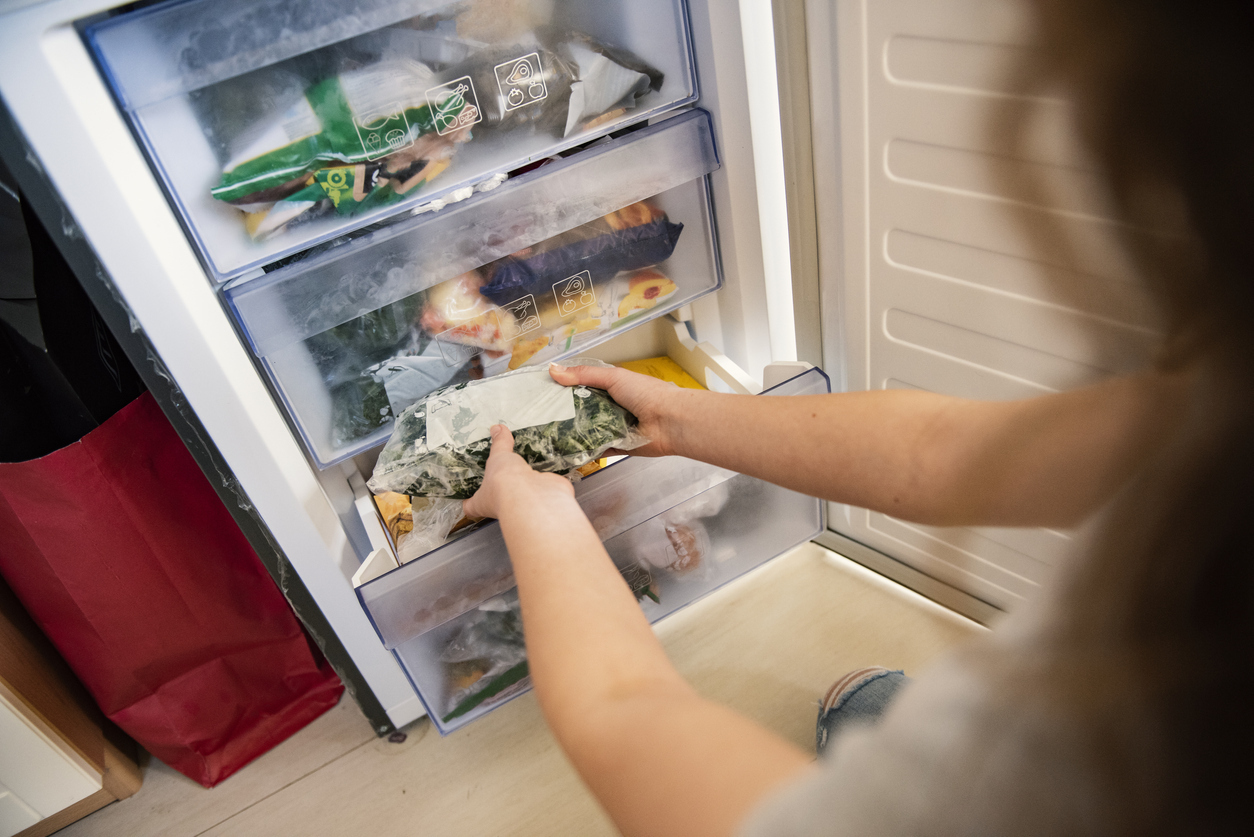
Girl taking bag with frozen mixed vegetables from refrigerator.
As the cost of food continues to soar, there’s very little we can do about the price we have to pay but we can make changes elsewhere. If you find yourself constantly dumping uneaten food in the bin, now could be a great time to start thinking differently about how you do things.
Minister for Agriculture, Food and the Marine, Charlie McConalogue recently said that when we think of food waste, we think of the amount of food we put in our waste bins without contemplating the reasons why we put it there. Being mindful of these reasons can have a positive knock-on effect, he says.
"We can each work towards reducing the amount of food we waste, which will, in turn, help us reduce our carbon footprint.”
Ireland’s recently published Climate Action Plan aims to reduce food waste by 50% by 2030. As a nation, we generate over one million tonnes of food waste each year, and a third of that starts in our homes.
Minister McConalogue added: “By reducing our food waste, we also show our farmers, fishers and other food producers that we value their work and the safe and nutritious food they work all year round to provide.”
CLIMATE & SUSTAINABILITY HUB
By wasting food, we are essentially wasting money. First up, you can plan ahead when going to the supermarket and make sure you don’t buy too much of what you don’t need. Try to map out your meals and be realistic about what you are going to use during the week.
Supermarket aisles are packed with savings deals to encourage us to part with our cash. Some of these can be great but make sure you don’t get lured into buying items that will sit at the back of the fridge gathering ice.
How you store food is also important. According to STOPFoodWaste.ie, temperature, humidity and light can have a big impact on food. Considering how your food is stored will help it last longer. For example, it is recommended that potatoes are stored in a cool, dark place but kept away from onions. A tip for salad leaves is to put a damp sheet of kitchen roll in the bag once it is opened. It is also recommended not to store bread in the fridge.
There’s a big difference too between "use by" and "best before" dates. Goods labelled with a "best before" date are still safe to eat after the date stated while you can freeze food up to its "use by" date. When food is frozen on its "use by" date, it should be defrosted in the fridge and eaten as soon as possible, but not more than 24 hours after defrosting.
The freezer can be a big help in allowing food to last longer. You can freeze items like bread in individual slices so that you don’t have to defrost a whole sliced pan at once.
Also for anyone who comes home and is facing a dreaded power cut, the good news is that food from the freezer will usually keep for two days if the door was closed and the freezer was full. If it was half full, it should last around one day.
Food waste is not just about reducing the amount we throw in the bin, it's also about making those little changes when shopping and storing our food. These small alterations in our habits help reduce what we throw away unnecessarily, which in turn will save money in the long run.