‘Breastfeeding my son helped our bond grow deeper’

When Persis Raju’s son was born prematurely with Down syndrome and a heart condition, she found herself in a ‘freeze state’. However, she tells Emer Harrington breastfeeding gave her a sense of purpose.
 Persis Weslee, with her fourteen month old baby Tejas. Picture: Moya Nolan
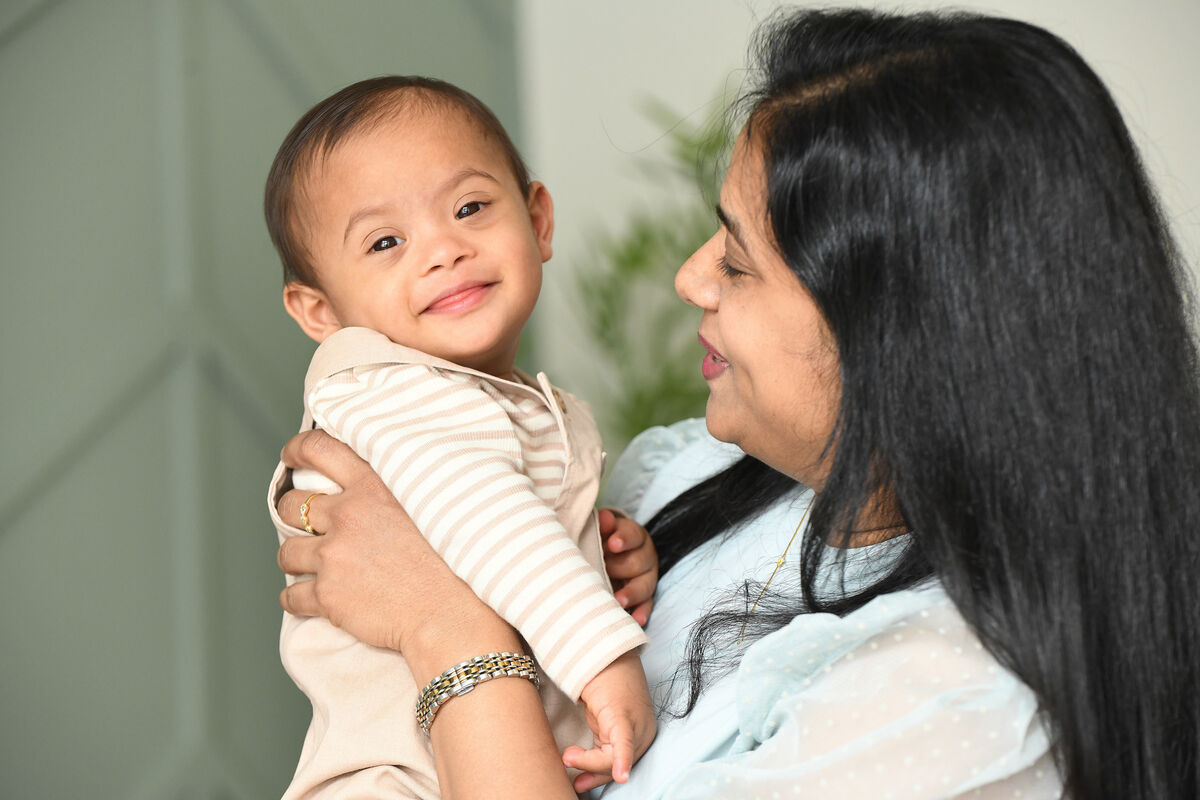
Persis Weslee, with her fourteen month old baby Tejas. Picture: Moya Nolan

In 2022, Persis Raju (37), a nurse at a Dublin hospital, moved from India to Ireland with her husband, Weslee, and their four-year-old daughter, Ivanna. They built a new life, and in 2025 Persis was pregnant with their much-longed-for second child.

Having exclusively breastfed her daughter, she planned to do the same with the new baby. But when her son, Tejas, was born prematurely at 35 weeks with Down syndrome and a heart condition, she entered a “freeze state” and felt like she was in “a thick mist where I could not see the next step.”

Through her own determination and the support of HSE breastfeeding services, Persis managed to exclusively breastfeed Tejas for the first year of his life.

Ahead of HSE National Breastfeeding Week, which takes place from October 1 to 7, she wants other mothers to know that even with a pre-term baby or a difficult diagnosis, breastfeeding is possible.

Her son’s conditions had not been picked up on prenatal scans, and Persis was in a state of shock upon receiving the news after his premature birth.

“I wanted to breastfeed him, but the whole time I kept just crying. Tears were rolling down my cheeks, like it was an involuntary process; I didn’t even know that I was crying.”

She struggled to come to terms with his diagnosis initially. “I always had a feeling in my mind that I am a healthy person, and my body is a healthy body, and that I would deliver a healthy baby...we all feel like that, right?

“When this unexpectedly happened to me, and my baby was born with Down syndrome, there is a moment when it comes to your mind that there is nothing that you can do to change his condition or to change that present situation.”

Her baby boy spent 11 days in the Neonatal Intensive Care Unit (NICU) in the National Maternity Hospital. Because of his heart condition, he had low muscle tone and wasn’t able to feed directly from the breast, so Persis began expressing milk.

In those early days, pumping gave her a sense of purpose. “I remember on my sixth or seventh day, the nurses told me that they didn’t have space in the fridge because I occupied most of the space in there,” she recalls. “I was blessed in that way…I started having a very good supply, so I took the decision that this is what I can do for him, and so I did that.”

She named her baby Tejas, an Indian name meaning brightness. “When I looked at his face, it just gave me some kind of hope or brightness…even today, I know that he has only come to make my life better and brighter.”

 Persis with Tejas, a name that means brightness.  Picture: Moya Nolan
Persis with Tejas, a name that means brightness.  Picture: Moya Nolan

Persis continued pumping around the clock for five months to help Tejas grow stronger. “I just kept on pumping, expressing, whatever I could do. I have gone to the extent of pumping 11 times in a day.”

Although her son was “tiny” when he was born, after a few months he was strong enough to feed directly from the breast, and she saw a physical change in him. “When I started breastfeeding him directly, I could see that he became a little more chubby,” she recalls.

As well as supporting her son’s growth and development, Persis says breastfeeding strengthened their bond. “I could see that change because he was with me all the time, and that bond between us, it just grew deeper.”

While the Kildare mum’s commitment to breastfeeding her son never wavered, the relentless pumping and feeding schedule took its toll on her own health. She had been on medication for high blood pressure for several years, and her blood pressure went up in the months after her son was born.

“I just never stopped, even at night…I just kept pumping, pumping, pumping, and I didn’t get proper sleep or rest,” she says. “I was like a machine… my body got exhausted at that time, and that is how the blood pressure shot up.”

She received support from Meena Purushothaman, the national assistant breastfeeding coordinator at the HSE, who helped her to find the right balance. “She guided me properly. She told me: ‘you are overexerting yourself.’ She properly made me understand how to do it, how frequent, what duration - all those things.”

The National Maternity Hospital gave Persis a good quality breast pump and connected her with a lactation consultant, with whom she had regular Zoom calls.

As Tejas grew stronger, his heart condition resolved. He experiences recurring upper respiratory tract infections, which is common in children with Down syndrome, and is currently on a course of long-term antibiotics. This caused some weight loss, and with advice from a dietitian, Persis has introduced a specialist formula to help him gain weight, alongside breastfeeding.

“It has protein and calories in it to increase his body weight. I was actually not very happy to give formula to him, but the dietitian convinced me that I did everything that I could do for him.”
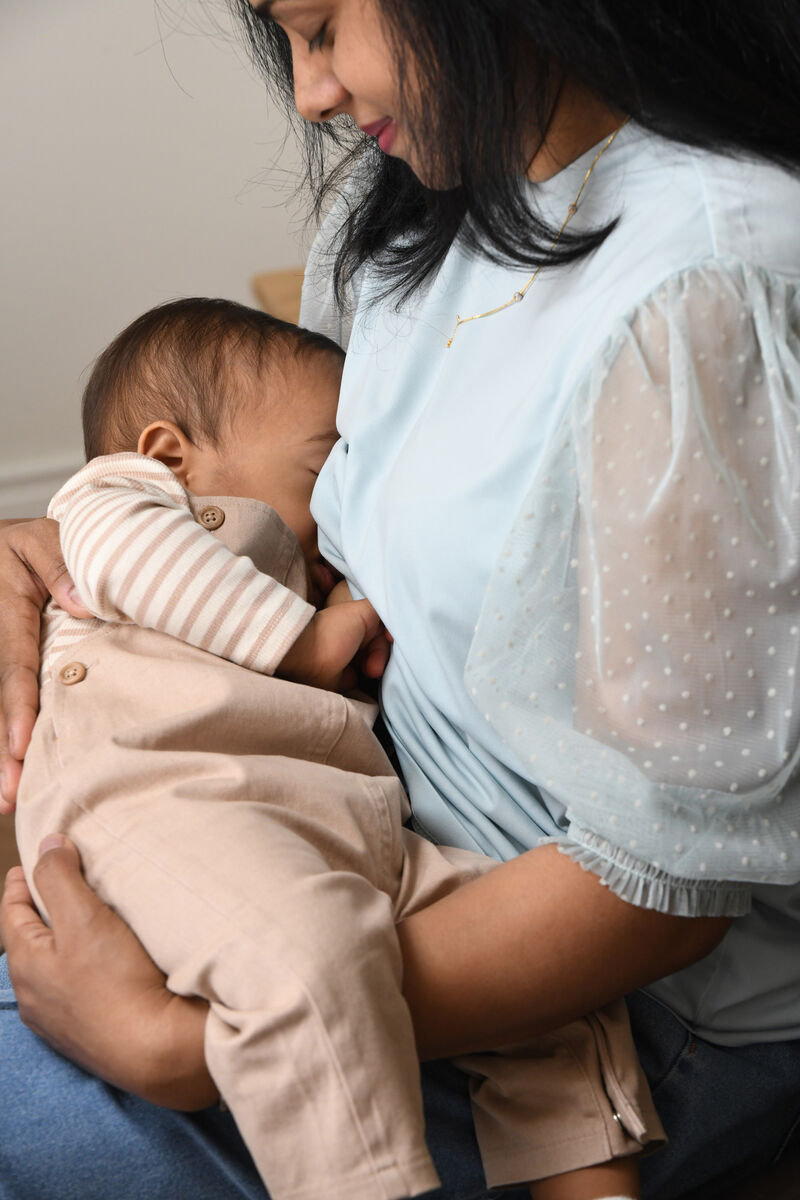
 Persis is now combination feeding her son, Tejas. Picture: Moya Nolan
Persis is now combination feeding her son, Tejas. Picture: Moya Nolan

Her message to mothers facing challenges is not to give up on breastfeeding if it’s what you really want to do. “A diagnosis or a difficult start in the NICU doesn’t define what you and your baby can achieve together. With patience, trust, and pure love, it is possible to overcome the steepest obstacles.”

HSE Support

The theme of National Breastfeeding Week this year is ‘Every step forward: Strengthening support for babies and families’.

In addition to one-to-one support for mothers whose babies are premature or have to spend time in the NICU, there are a number of resources to help with breastfeeding.

The HSE has invested €390K in funding for breast pumps and has 60 infant feeding specialists in post and 11 in recruitment. 785 staff have completed the national infant feeding education programme for health care providers over the last two years.

There is also a growing number of free breastfeeding groups and postnatal hubs run by public health nurses, to help new mothers in the important early weeks of establishing breastfeeding.

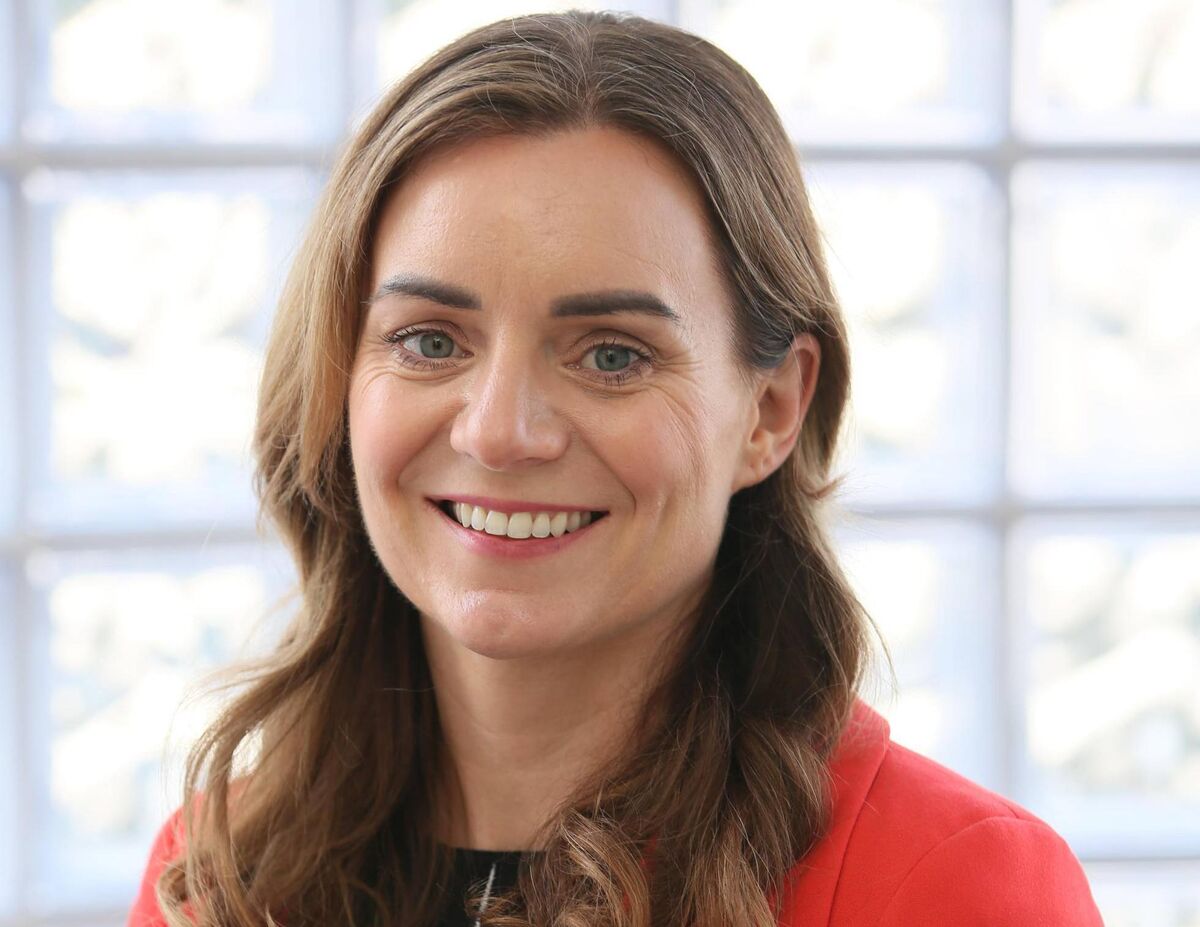
Laura McHugh, HSE national breastfeeding coordinator

“A lot of mums go to breastfeeding support groups when they’re pregnant. It’s a lot less daunting going when you’re pregnant, because you get to know the people there, and you build a connection with the group,” says Laura McHugh, HSE National Breastfeeding Coordinator, Child Health Public Health.

“The HSE also offers an online ask the expert service. It’s run by lactation consultants… If you email the service, they come back to you within 24 hours, or you can live chat with them Monday to Friday.”

Breastfeeding rates in Ireland have increased in the last 10 years. According to the latest data from the HSE, almost two-thirds of babies are breastfed at birth (65.8%), compared to 63.8% in 2019. More than half of babies are breastfed at three months (51.5%), an increase of 16.1% over the last decade, and the highest rates seen since 1988 when official records began.

McHugh acknowledges that breastfeeding can be challenging, and pumping in particular can be “gruelling” for mothers, and says accessing support is key. “Certainly mums’ wellbeing and sleep is really important. I would encourage mums to stay connected with the public health nurse or the infant feeding/lactation nurse to get good support that works for her and her entire family.”

Breastfeeding isn’t a smooth journey for everyone, and McHugh emphasises that whatever breastmilk mothers can give their baby is beneficial.

“Any breastfeed makes a difference, and that’s whether you breastfeed for a day, a week, a month, six months…it’s all good for babies.”

  • For more information on HSE breastfeeding support services, visit www.mychild.ie.

More in this section

Cookie Policy Privacy Policy Brand Safety FAQ Help Contact Us Terms and Conditions

© Examiner Echo Group Limited