Expert tips deal with toddler meltdowns — and how to prevent them
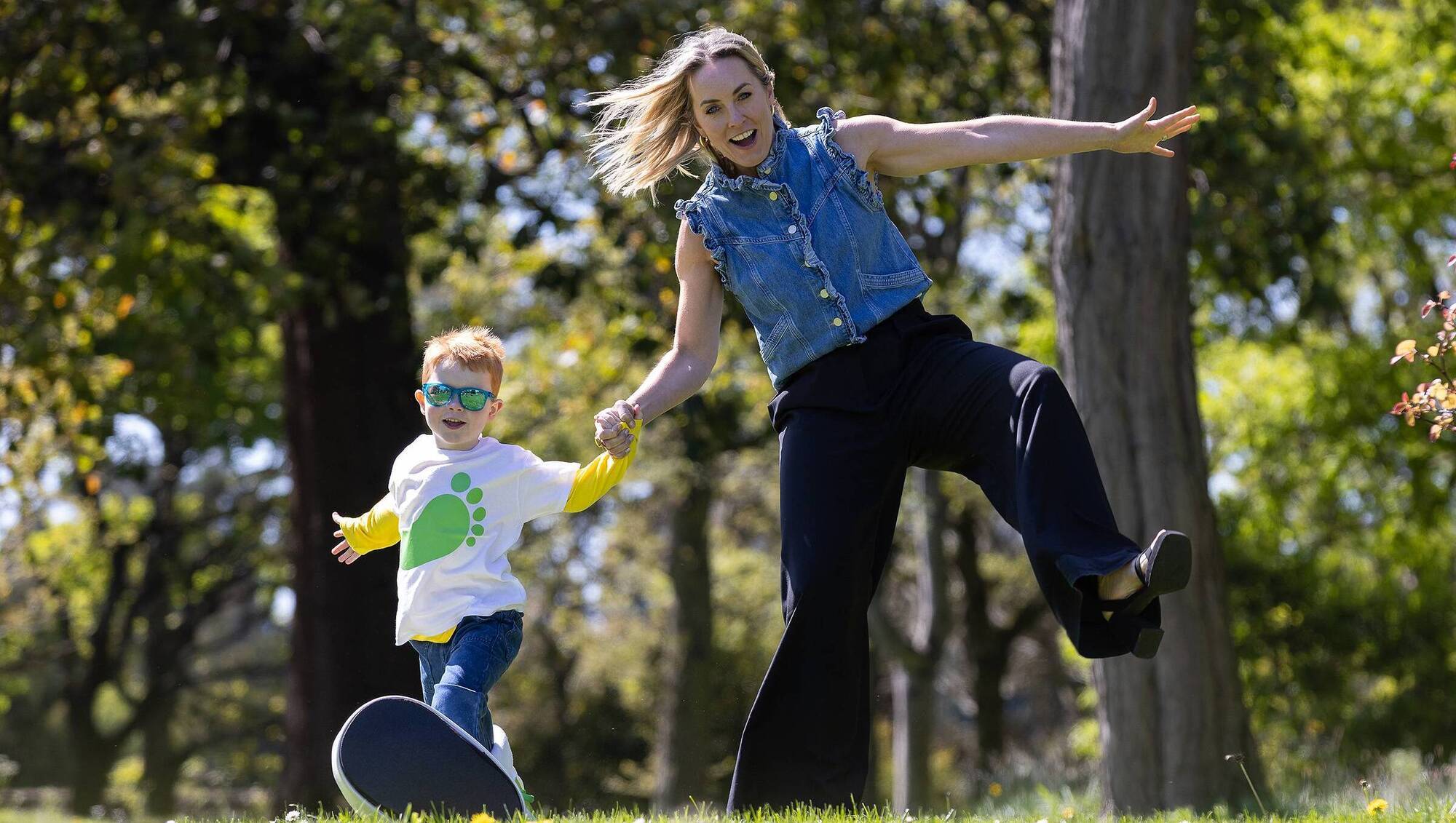
Kathryn Thomas and Mikey Byrne at the launch for ‘Barnardos — A Big Toddle for a Big Cause’. The Big Toddle is a half mile sponsored walk for pre-school aged children that provides vital funds that supports Barnardos early years services.


“Your child learns about feelings from your response,” says Carroll, who recommends parents take a moment outside the room — once their child is safe — to take a breath and bring their heart rate down.
“So you can respond, not react. And be kind to yourself, a meltdown is intense and really hard when you’re over-stimulated and tired. Say ‘I’m doing the best I can here.”
By bringing parental calm and a regulated self, the child feels it, and learns it’s OK to feel what they’re feeling: “Their body will sync with the adult’s regulated self — together they co-regulate.”
“Quietly sit beside your child, thereby bringing calm. At some point, it’s helpful to say ‘I’m here when you’re ready’. You’re teaching your child emotions are ok, and this is a safe place to have those emotions,” says Carroll.
Be a calm presence — even when the child kicks, screams, and rolls around on the floor: “Your job is to make them physically safe so they won’t hurt themselves.”
“For example: ‘I can see that you’re feeling angry. I know you wanted that toy’,” explains Carroll.
In naming the feeling, you are helping your child learn over time what this feels like in their body: “And you’re connecting in with them — they’re not misunderstood in this situation, you understand them.”
Enright says if they aren’t too escalated, use a two-step formula to validate them: Hear the request, then name the feeling: ‘I hear you really want those sweets, and you feel so disappointed we can’t get them today. It’s ok to feel disappointed.’
This way the feeling isn’t dismissed: “Once acknowledged, move away from the situation — or gently distract to help support their soothing.”
“The only way to build tolerance to big emotions is to experience them. Rather than always saying yes, allow your toddler to experience a boundary with your support — rather than punishing them. This gradually expands their emotional resilience,” says Enright.
“This is the repair,” says Carroll. “A meltdown is distressing for everyone. Reconnecting tells the child ‘we’re ok here, we got through this together’.”
She says some children — post-outburst — will walk into a parent’s arms for a hug: “Others will start playing — they’re ready to move on. Reconnect with a rub on the back, a kiss on the head.”
Enright gives an example: ‘Remember in the shop earlier? You felt so frustrated when we couldn’t get the sweets. That can be hard.’
This prepares the way for “proactive pre-conversations” before you walk into the shop: “So your toddler knows what to expect — ‘we’re buying bread and milk today, we’re not getting anything else’.”
Toddlers’ brains are biologically primed for curiosity, connection, and play, says Enright.
“You hit resistance leaving the playground — shift your tone to something playful,” she says.
“Acknowledge the feeling first, then turn the transition into a game – ‘you’re so sad to leave the park. Let’s race to the car like cheetahs’.”
This acknowledges their feelings of sadness — and supports their emotional literacy and understanding over time: “And you’re using playfulness to soothe them and help their brain transition to the next task.”
Carroll says lots of physical activity — swinging, climbing, crawling — can keep children’s bodies regulated, often avoiding meltdowns when something goes wrong for them and big feelings come.
This summer, more than 20,000 young children countywide are coming together to support Barnardos Big Toddle. Sign up for your toddler at home: barnardos.ie/barnardosbigtoddle. All funds raised directly support Barnardos’ early years services, ensuring vulnerable children get the best possible start in life
Read More
CONNECT WITH US TODAY



Be the first to know the latest news and updates