Dr Phil Kieran: My grandson is still wetting the bed at six 
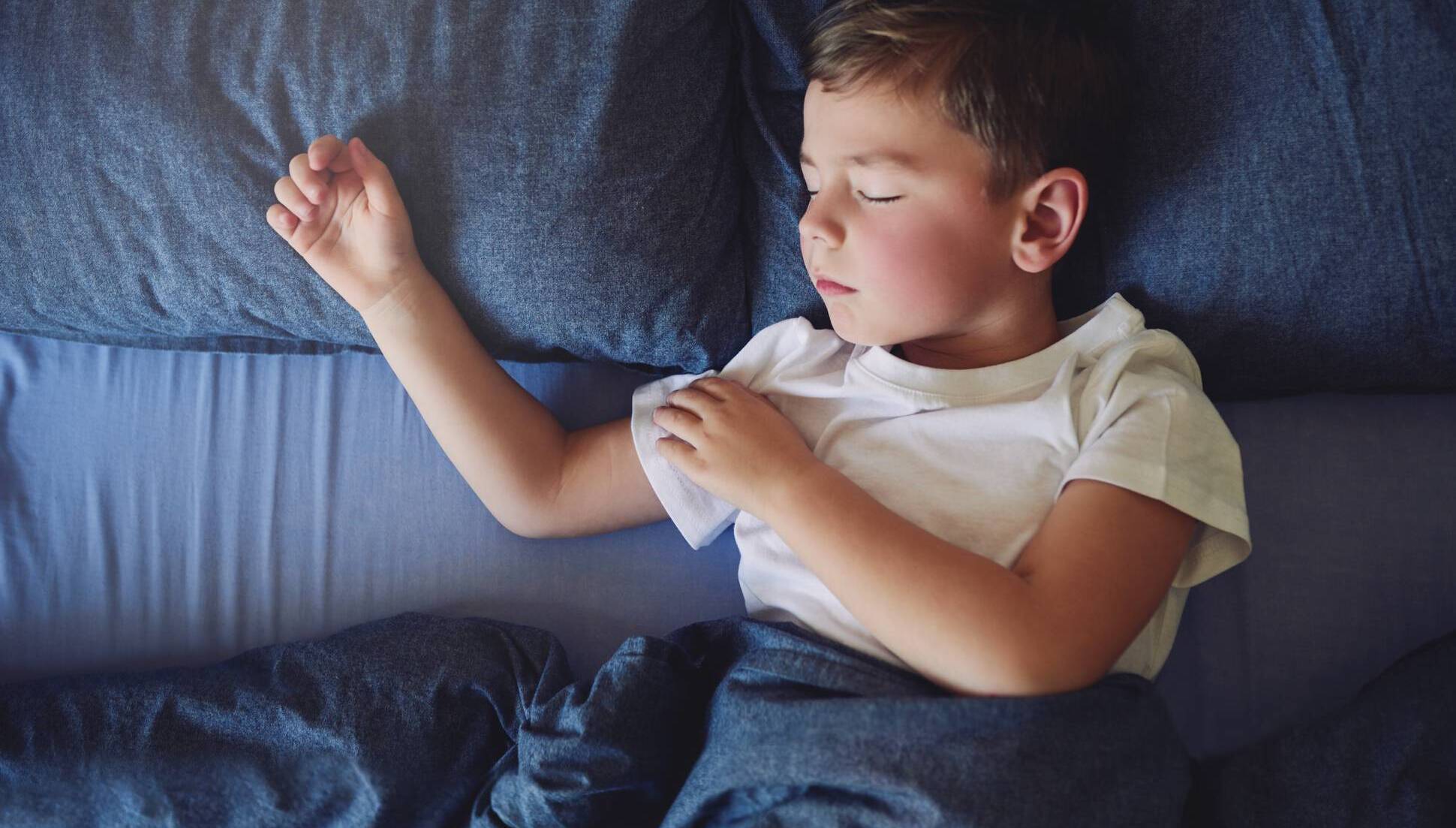
Your grandson is still very much at an appropriate age for bedwetting, and chances are high this issue will resolve itself in the next year or so
Dr Phil Kieran: My grandson is still wetting the bed at six 

According to research, 25-20% of five-year-olds, 5-10% of 10-year-olds, and about 1-2% of 15-year-olds will have occasional bedwetting. Picture: iStock 

I’m worried about my grandson, who is still wetting the bed at six. My daughter, who is his mum, says he’ll grow out of it and that it only happens occasionally, but he seems too old for night-time accidents. What would you suggest?

Toilet training can be an unpredictable journey, with some children almost managing the transition on their own and others needing ongoing help and taking a bit longer to get there.

I would encourage parents to familiarise their children with using a potty or the toilet early on and to start toilet training when they are ready.

By “ready”, I mean they have the sensation they need to use the toilet, can express this themselves, and usually have dry nappies for about two hours at a time.

Being dry at night is a separate skill from controlling the bladder during the day. This is because different sensory systems need to mature before night-time continence can develop.

We know there is a significant genetic component to this, as 15% of five-year-olds will wet the bed at night if neither parent had nighttime wetting, 40% if one parent experienced bedwetting, and 70% if both parents wet the bed as children. It’s critical to know this is entirely normal for a child this age.

Your daughter is correct — he will most likely grow out of bedwetting.

According to research, 25-20% of five-year-olds, 5-10% of 10-year-olds, and about 1-2% of 15-year-olds will have occasional bedwetting.

It is important to manage the condition calmly, without blaming the child for something they cannot control. I understand it can be frustrating to get up in the night to change sheets, but that is part and parcel of parenting.

We recommend that parents reassure the child they haven’t done anything wrong, let them help change the bedclothes and pyjamas, and encourage them to have a wash in the morning so the residual urine doesn’t irritate their skin.

During the day, it is a good idea to ask the child whether they are aware they need to pee at night. If not, there isn’t anything we can do until this awareness develops.

If they are aware, help them explore why they don’t get up. Some children are scared of the bathroom at night, and a night light can make a significant difference. Other children may not be able to open the bathroom door, and worry about doing so.

We no longer recommend lifting a sleeping child to pee. Studies have not shown this reduces wetting, and it doesn’t help them develop bladder control on their own.

At the end of the day, your grandson is still very much at an appropriate age for bedwetting, and chances are high this issue will resolve itself in the next year or so.

x

More in this section

Cookie Policy Privacy Policy Brand Safety FAQ Help Contact Us Terms and Conditions

© Examiner Echo Group Limited