SOME 77% of women experience feelings of loneliness during pregnancy and early motherhood. This is according to research by the Royal College of Surgeons in Ireland’s Centre for Positive Health Sciences and the HSE Dublin, South Kildare, and West Wicklow area.
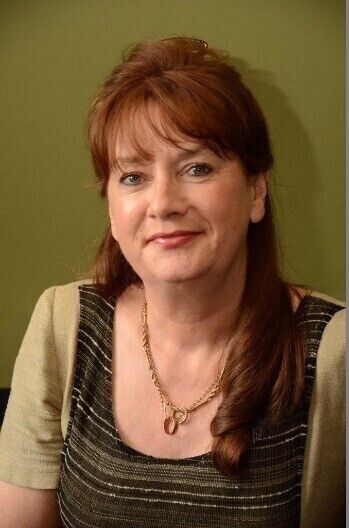
The finding does not surprise Dr Sabrina Coyle, a senior psychologist in specialist perinatal mental health at the Coombe Hospital.
“Women I work with commonly talk about loneliness and a lack of social support as part of their experience,” says Coyle, who sees a number of issues at play.
One has to do with a normal evolutionary process that happens for a woman approaching motherhood.
“As she moves into the last month or two of pregnancy, there’s a normative contracting of the social circle — which is underpinned by evolution. The woman starts to move away from work, she goes on maternity leave, and she disengages from other social activities because — also in a physiological sense — she doesn’t have the energy for them.
“Everything becomes focused on welcoming her baby to the world.”
Coyle says that, for the expectant mum, a “psychological adjustment process” starts in early pregnancy, but becomes more focused in the last months.
This adjustment, she says, is around beginning to think of herself as a mother for the first time, what that means, and the whole shift in identity that comes with it. It sees the prospective mother move into a more interior, reflective space.
“A lot of things start becoming really important. Most women begin recalling memories of their own childhood and their experience of being parented,” Coyle adds.
“All these [memories] come back to her, and she starts thinking about her own hopes and wishes for what kind of mother she’d like to be.”
These shifts take place in pregnancy, and then the baby is born.
Suddenly, Coyle says, the new mum is thrown into a whole new world of daily postpartum tasks that feel overwhelming.
“Feeding, changing, putting baby to sleep, trying to nourish yourself, and get some rest — it’s all-consuming.”
Changes are also taking place in the mum’s relationship with her partner, with her family and with others close to her.
“Mum becomes generally all focused on the baby. Partners can find there’s less time for them as a couple,” Coyle says, adding that the quality of the partner relationship becomes very important at this stage.
Other new mothers often present an idealised portrayal of motherhood, which is not conducive to connection, says Coyle.
“One in three mums experience perinatal mental health difficulties. For mums whose experience is outside the idealised view, it can feel really hard to connect with other mums,” she says.
“Women who’ve had a traumatic birth or who have a baby in neonatal care, for example – these experiences contribute to feeling different. This brings judgment from the mum herself – she’s not good enough. And this brings a sense of shame and stigma.”
On the day Coyle spoke with the Irish Examiner, she had listened to a new mum open up about her struggle to connect with other mothers.
“She spoke about her baby being very sensitive and crying a lot. She felt very anxious being out in public, because she finds it hard to soothe him. She feels other mums might judge her.”

Intense life experience
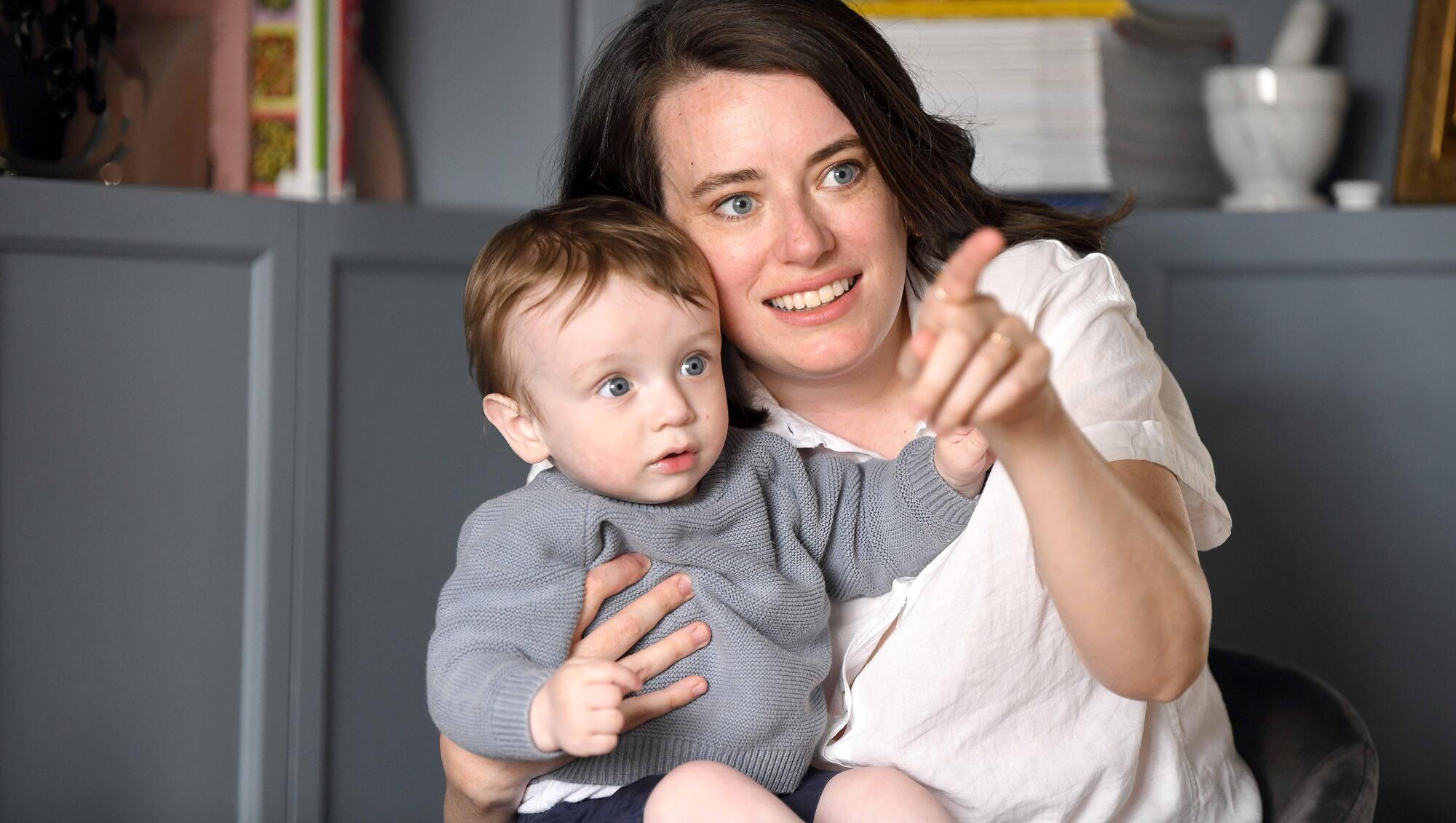
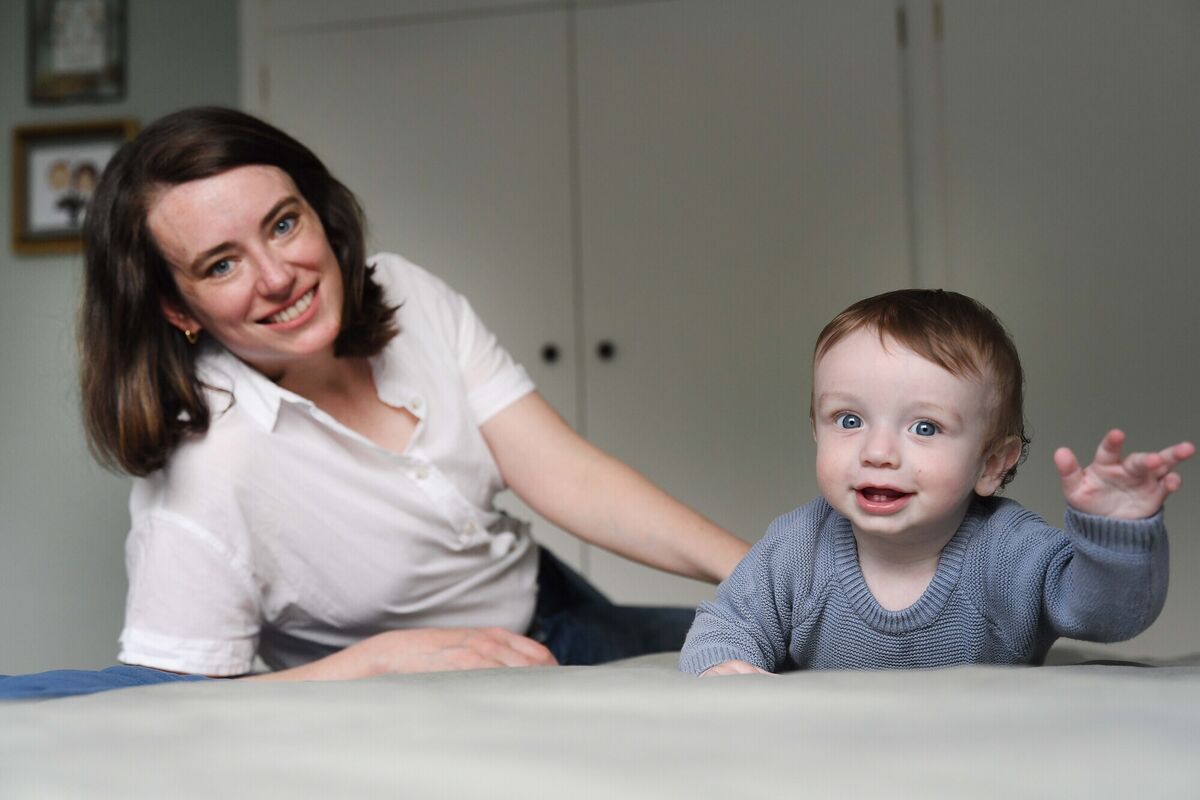
Ashley Westpheling has a nine-month-old son, and says she “definitely” faced loneliness as a new mum.
“New motherhood is an intense life experience and after the initial adrenalin moves on, it can be isolating, a very challenging time.
“My husband Matthew works from home, and he had a couple of weeks leave. It was a big help, having someone else in the house, even when he was working.”
Celbridge-based Westpheling sees two factors contributing to new mothers’ loneliness.
The first, she describes as logistical. “Physically finding the time and space to meet others. The first couple of times going out of the house can feel like climbing Everest.
“Then there’s the cost: Classes for new mothers aren’t always cheap.
“My son was quite colicky, so for a long time, he’d just be screaming for hours every day. I’d go to the groups and my baby would be screaming the whole time — it made it difficult to carry on a conversation.”
Westpheling found connecting with other mums was challenging.
“The crux of it is that society judges mothers harshly. It breeds a fear of judgment, even among mothers themselves.
“It’s difficult to feel honest about your experience. There’s a real tendency to say ‘everything’s grand’, ‘oh I love being a mother’, ‘this baby’s my whole world’, or maybe laugh off [the difficulties]. It can all be quite light-hearted chat and nothing too serious.
“I’m open to talking about mental health difficulties, but I never really spoke about it with other new mums, and nobody spoke about it with me, even though it’s quite common.
“It didn’t feel like the right time or place.”

Invisible woman
TCD associate professor Deirdre Daly in the school of midwifery leads the Maternal health and Maternal Morbidity in Ireland (Mammi) study, which examines prevalence and risk factors for a range of health issues in more than 3,000 first-time mothers in Ireland.
Mums were asked what it was like becoming a new mother and what mattered most to them in the perinatal phase.
“A big theme was the magnitude of motherhood. Women talked about the weight of responsibility, their changed life, their need for real-time reassurance,” says Daly.
Women also said they didn’t know where to turn to for support. Daly says this links to new mums experiencing “a kind of disappearing” of them.
“After birth, all of the attention of the healthcare staff is on the baby. The mother becomes the invisible woman.”
Daly says women talked about a loss of self. “Even 10 years on they still talked about it. They wouldn’t turn the clock back, but there was a part of them that was gone and they missed it.
“Most were highly educated, used to being connected, and out in the world. From being highly competent women, they felt completely unprepared for this new role of mother.”
Daly says it all adds up to a profound shift in identity that is left unspoken.
“It’s not part of the dialogue around new motherhood — it is silent in the discourse.”
In Celbridge, Westpheling feels much less lonely now.
“I found if I opened up and shared my experience, other mothers were more willing to open up too.
“I know now everybody’s struggling, even if they’re not saying it. It’s about not being afraid to be vulnerable.”
Empowering change
This month the HSE launched Let’s Connect — the campaign which encourages new mums and their families to:
- Talk: Have conversations about maternal mental health and the loneliness that can be experienced after having a baby;
- Connect: Make connections with new mothers in communities to help combat loneliness;
- And empower women to look after their mental health in pregnancy and beyond, by connecting them with information, care, and support.
As part of Let’s Connect, the Centre for Positive Health Sciences has launched the Motherhood Programme.
Focusing on promoting mental wellness, it offers a range of resources, support services, and educational materials tailored to needs of mothers and their families. It shares stories of women across Ireland, as well as tools to support wellbeing in areas including stress management, relationships, and sleep.
CONNECT WITH US TODAY
Be the first to know the latest news and updates