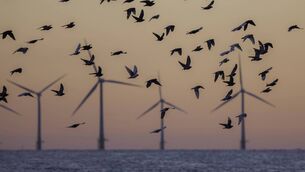
Michelle McKeown: When did nature become an obstacle to progress?
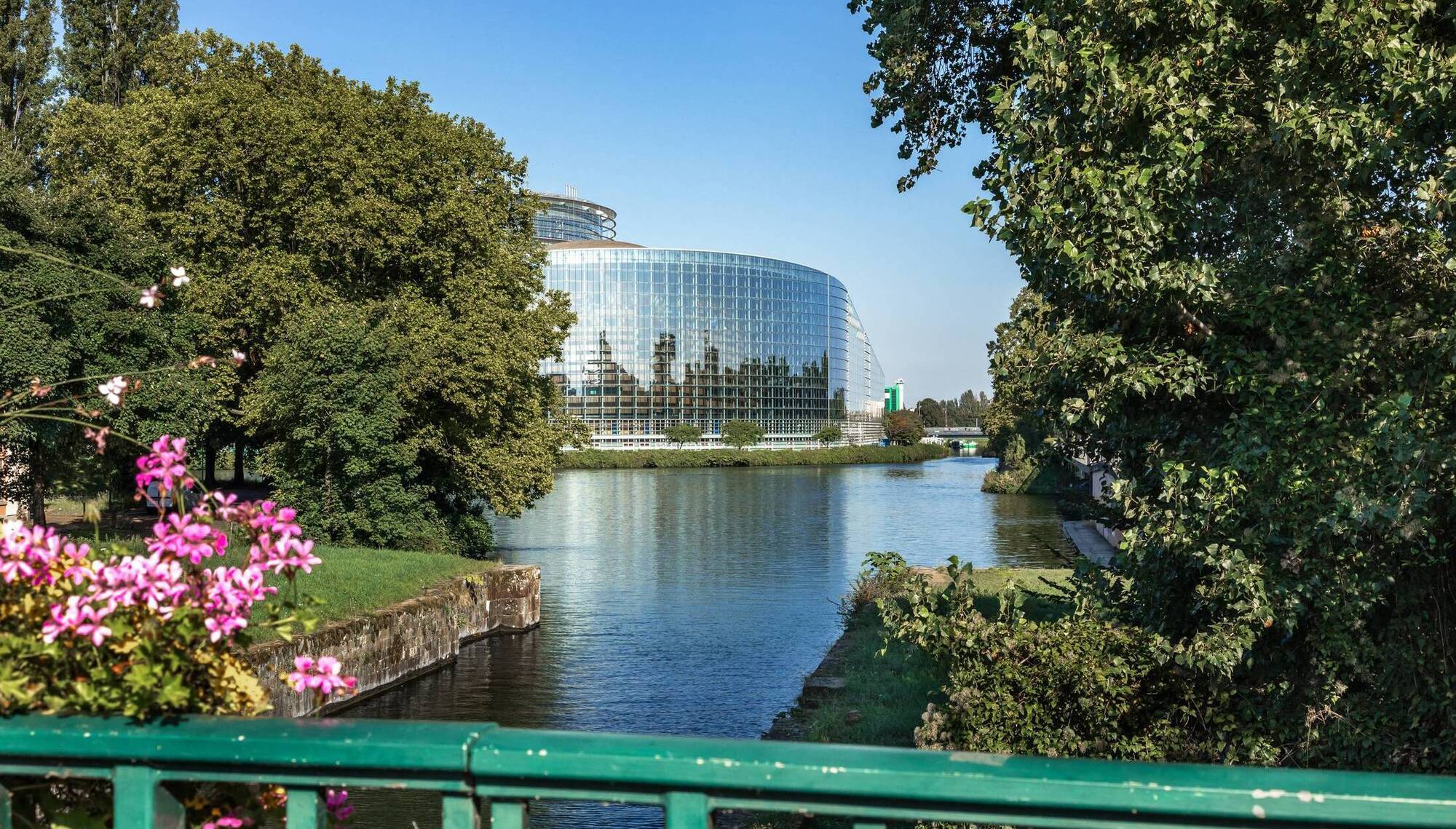
MEPs in the European Parliament voted in favour of proposals to accelerate environmental assessments across the European Union this week. Picture: iStock
A curlew does not understand economics. An otter has little interest in European competitiveness, and a lesser horseshoe bat is unlikely to have strong opinions on administrative efficiency. Yet all three could find their futures shaped by a vote that took place in the European Parliament this week. On Wednesday, November 25, MEPs voted in favour of proposals to accelerate environmental assessments across the European Union. Wrapped in the relatively unexciting language of legislative simplification, the proposals could have profound consequences for Europe's natural environment.
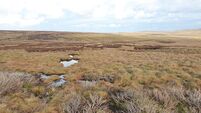
The legislation forms part of the EU's Environmental Omnibus, a package intended to reduce bureaucracy, accelerate development and improve European competitiveness. On the face of it, these are perfectly reasonable ambitions. Few people would argue that Europe needs more paperwork. However, there is an important distinction between removing unnecessary bureaucracy and removing necessary environmental safeguards. Parliament’s position includes measures that could weaken protections against the killing and disturbance of protected species, exempt certain developments from environmental assessments and expand the categories of projects eligible for accelerated approval. Perhaps most significantly, MEPs supported an amendment calling for a revision of the EU's Birds and Habitats Directives in 2027. These two directives underpin much of the nature protection we have today. The Birds Directive dates back to 1979, while the Habitats Directive was adopted in 1992. Together, they form the foundations of Natura 2000, an extensive network of protected areas stretching across Europe, from Mediterranean seagrass meadows to Ireland's raised bogs. They help protect everything from the puffins nesting along our coastline to the freshwater pearl mussels inhabiting our rivers. Importantly, these laws do not prohibit development. They require us to consider its consequences, explore alternatives and, where necessary, demonstrate why a project should proceed despite potential environmental damage.
For Ireland, the timing of this vote is particularly uncomfortable. Last December, the National Parks and Wildlife Service (NPWS) published its latest assessment of Ireland's EU-protected habitats. It found that 90% were in unfavourable conservation status, with 51% continuing to deteriorate. In other words, despite decades of environmental legislation, the natural systems these laws were designed to protect are still struggling. This raises an obvious question. If nature is declining under our existing protections, what might happen if those protections become weaker?
There is also something of a contradiction emerging in European environmental policy. In 2024, the EU adopted its landmark Nature Restoration Law, committing to restoration measures covering at least 20% of EU's land and 20% of its seas by 2030. Governments are now tasked with developing ambitious plans to restore degraded ecosystems, improve biodiversity and strengthen our resilience to climate change. Restoring nature while simultaneously weakening the safeguards that prevent its destruction could prove an expensive exercise in moving backwards and forwards at the same time. And nature's recovery rarely operates on political or economic timescales. An ancient woodland cannot be recreated within a five-year electoral cycle. A functioning raised bog can take thousands of years to develop. A river ecosystem damaged by pollution may require decades to recover, if it recovers at all.
There is a legitimate argument for improving Europe's planning systems. Ireland desperately needs housing, renewable energy infrastructure, improved public transport and investment in its electricity grid. Lengthy and unpredictable planning processes carry real social, economic and even environmental costs. Environment assessments are part of the picture. But are environmental protections themselves the principal problem? European Commission studies and consultations have identified shortages of qualified staff, inadequate resources, poor coordination between authorities and insufficient environmental data as significant contributors to planning delays. Removing environmental requirements without addressing these underlying problems may not deliver the efficiency that policymakers anticipate.
There is also a tendency to discuss nature protection and economic competitiveness as though they occupy opposing sides of a balance sheet. Yet healthy ecosystems provide some of our most valuable infrastructure. Wetlands help moderate flooding. Healthy soils underpin agricultural productivity. Pollinators support food production. Coastal habitats reduce exposure to storms, while rivers and their surrounding ecosystems help regulate water quality. When these systems deteriorate, their functions often have to be replaced, at considerable expense, by engineered solutions. Following recent flooding in Bantry, the economic value of functioning natural landscapes should be particularly apparent.
This week's vote is not the final word. The European Parliament must still negotiate with the Council of the EU, which represents member states. With Ireland currently holding the Council presidency, we have a particularly important role in facilitating those discussions. The challenge facing Europe is not simply how to build more quickly, but how to develop in ways that remain economically and environmentally viable for generations. A more efficient planning system and a well-protected natural environment need not be mutually exclusive ambitions. Nature is not particularly interested in our economic growth targets, legislative deadlines or quarterly returns. But our ability to achieve those ambitions depends, far more than we might like to admit, on nature continuing to function. We may be able to simplify our legislation, but we cannot simplify the ecological consequences of our decisions.

BLACK FRIDAY
Already a subscriber? Sign in

CONNECT WITH US TODAY



Be the first to know the latest news and updates