Can carbon credits deliver for Ireland, or are we selling ourselves short?
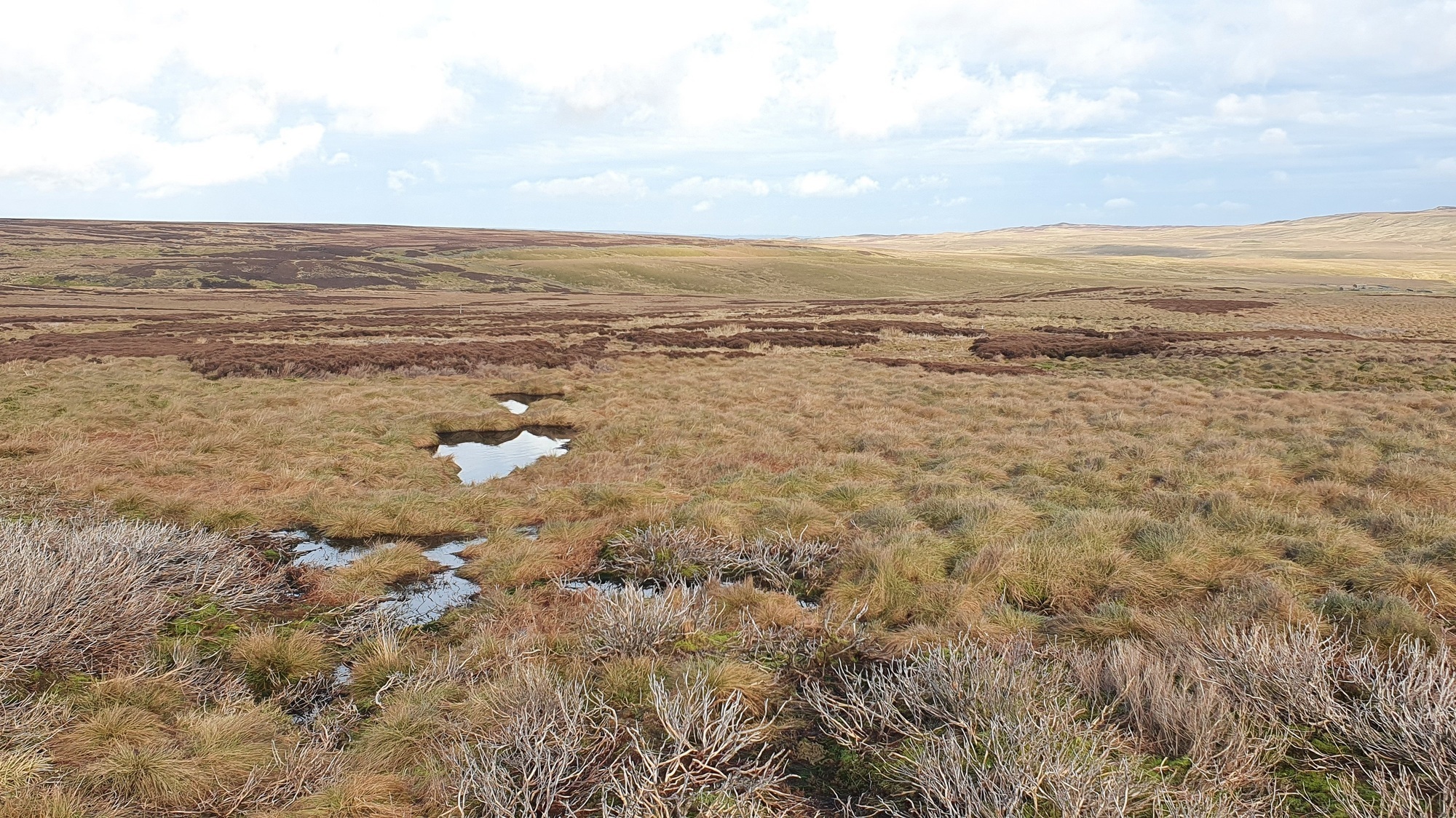
Peatlands offer considerable opportunities for climate action. Rewetting degraded peat can substantially reduce carbon dioxide emissions while improving biodiversity, water retention and, in some circumstances, water quality.
Imagine an Irish company paying to restore a degraded bog in the west of Ireland. Water levels rise, peat stops drying out, wildlife returns, and the company receives a carbon credit for its investment. Everyone wins, surely? Well, potentially. But what if that same company uses the credit to claim its emissions have been cancelled out, without actually reducing its pollution? Suddenly, the environmental arithmetic becomes considerably more complicated. This is the dilemma facing Ireland following its decision to join the Coalition to Grow Carbon Markets at COP31 in Antalya, Türkiye. Alongside 13 other countries, Ireland has endorsed the Antalya Statement, supporting greater private investment in climate action through carbon credits.
The coalition's newly published Policy Playbook proposes eight approaches to encourage businesses to purchase credits, including tax incentives, recognition schemes and preferential treatment in government procurement. There is an appealing logic behind this. Governments face enormous costs in tackling climate change, while businesses have capital that could support environmental restoration. Why not create a system where protecting nature becomes financially worthwhile? The concept is straightforward. A carbon credit typically represents one tonne of carbon dioxide, or its equivalent, reduced or removed through an environmental project. Businesses purchase these credits, providing funding for activities such as restoring peatlands, protecting forests or deploying cleaner technologies.





CONNECT WITH US TODAY



Be the first to know the latest news and updates




Revoiced
Newsletter

Had a busy week? Sign up for some of the best reads from the week gone by. Selected just for you.
Scene & Heard
Newsletter
From music and film to books and visual art, explore the best of culture in Munster and beyond. Selected by our Arts Editor and delivered weekly.