Flying the flag: A tangible measure to support coastal communities
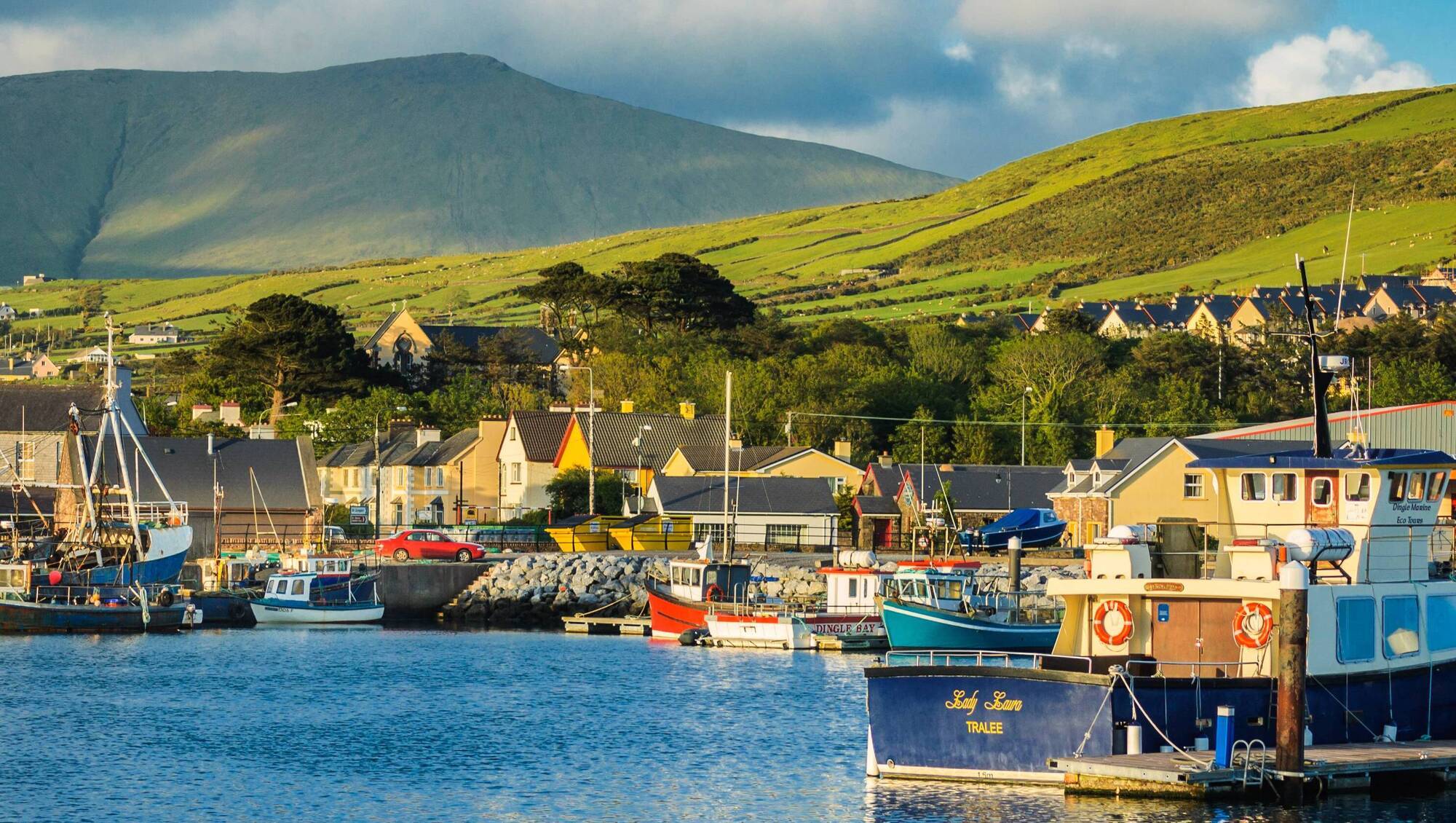
Though in decline for some years, fishing is still important in many such areas, but cuts to fish quotas and rising energy and fuel costs are seriously hitting the industry.
Government grant aid will enable local ideas to become practical projects with tangible benefits for coastal communities, according to Bord Iasaigh Mhara (BIM) chief executive Richard Donnelly.
A total of 251 marine, seafood and tourism businesses around the coast have secured just over €6.1m in Fisheries Local Action Group (Flag) funding.
People who go to coastal areas only during holiday periods and summertime might get a false impression of such places. Many don’t often realise the challenges permanent residents face, especially during winter storms.
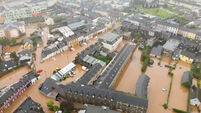
Climate change and rising sea levels, for instance, are exacerbating coastal erosion and resulting in ever more strident calls for help from impacted communities.
Though in decline for some years, fishing is still important in many such areas, but cuts to fish quotas and rising energy and fuel costs are seriously hitting the industry.
Also, harbours, piers and pontoons need constant maintenance and fish processing plants have to be modernised, while there are ongoing needs for investment in tourism assets and reliable ferries.
Being highlighted in the latest round of funding is a need for fresh thinking based around old maritime traditions, as well as the need to protect local environments and dwindling fish stocks.
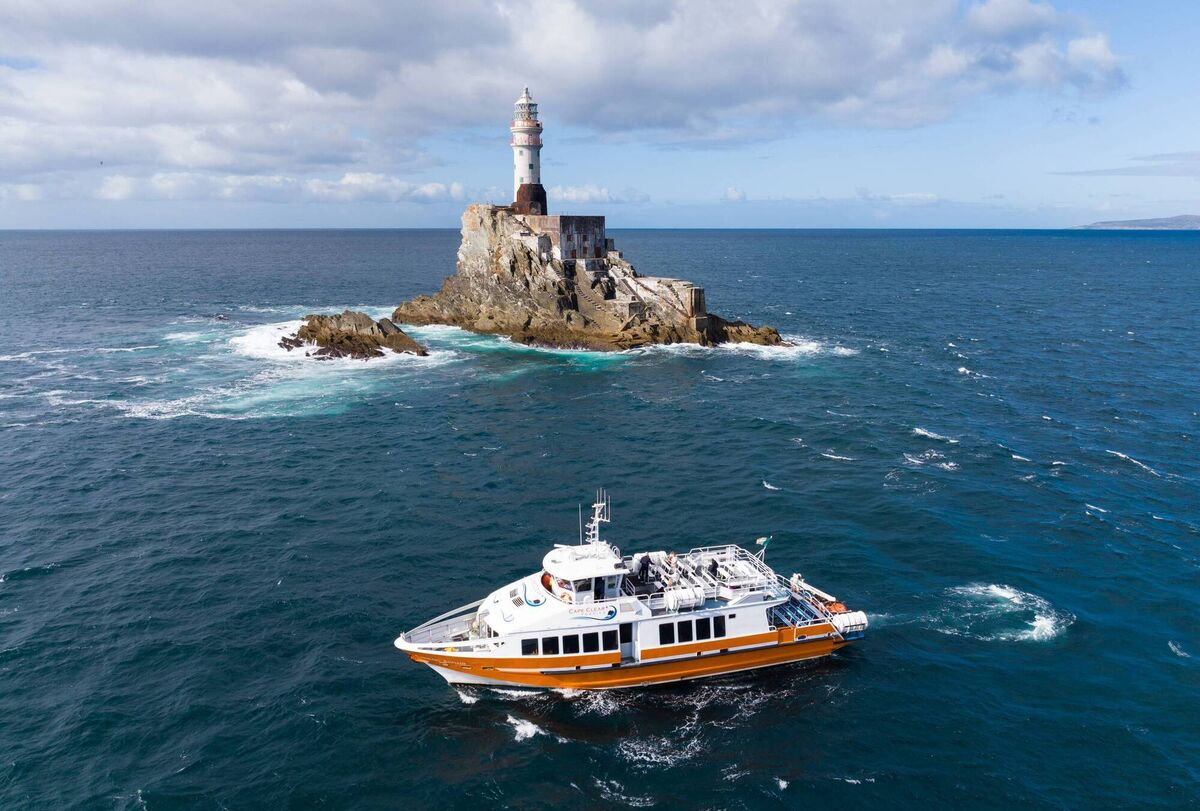
Cape Clear Ferries, in West Cork, is to get €39,000 to upgrade the passenger ferry, Carraig Aonair, improving comfort and vessel performance and helping reduce weather-related sailing cancellations.
A year-round service is available from Baltimore to the Gaeltacht island which has numerous attractions such as walks and bird-watching, while boat trips around Fastnet Rock are also provided.
Tralee Oyster Fisheries Society, Co Kerry, is receiving €30,000 to develop new value-added, spider crab products, creating opportunities to diversify seafood production.
Fishing out of Fenit Harbour, the society looks after the interests of 200 fishers and 78 boats in one of the largest, self-reproducing oyster beds in western Europe.
Comhairle Ceantar na nOileán, Co Galway is to receive €50,000 to tackle coastal erosion and environmental work across Gaeltacht coastal communities.
Fishing, tourism and marine industries, the traditional lifeblood of many communities, are now threatened by climate change. Recent reports show a significant number of people live close to the coast, as rising sea levels pose flooding threats to towns, private houses and farms.
Storms are also growing in both frequency and intensity. The sight of rocks swept onto the road by tumultuous seas at Rossbeigh Beach, on the Ring of Kerry, more than a decade ago, is still etched in memory.
As well as that, changes in water temperature can result in species moving to cooler water, a threat to people depending on age-old fishing routes for a living.
CONNECT WITH US TODAY



Be the first to know the latest news and updates