A welcome demotion: Green turtle drops down threatened species list
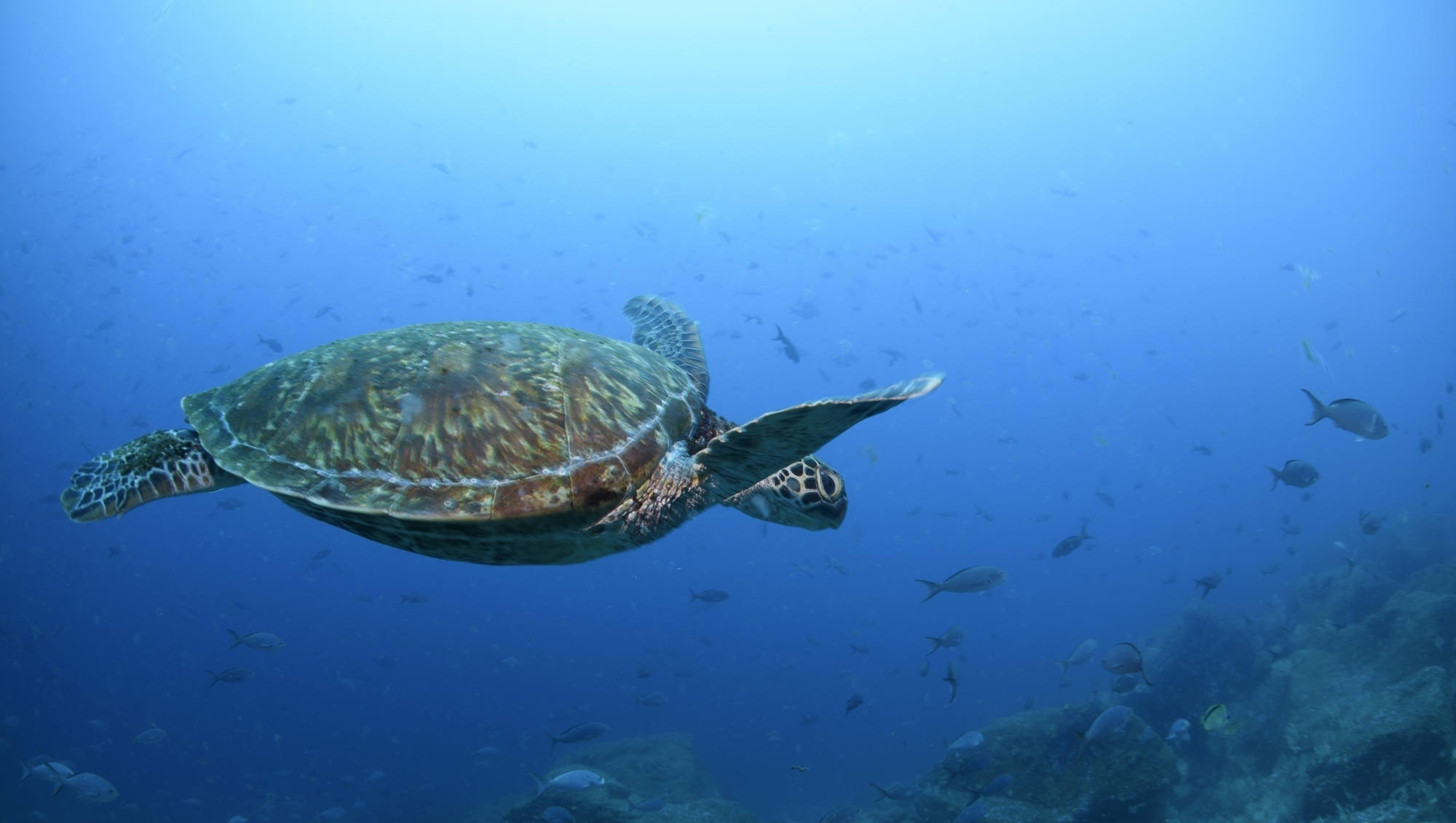
FILE - A type of Pacific green sea turtle swims through the water off of Wolf Island, Ecuador in the Galapagos on June 10, 2024. (AP Photo/Alie Skowronski, File)
It took decades of work on beaches and fishing boats to earn the green sea turtle a demotion. In October 2025, the International Union for Conservation of Nature (IUCN) moved the green turtle from Endangered to Least Concern on its global Red List. It was the first sea turtle ever to make that jump. Across the nesting sites in the assessment, nesting has risen by around 28% since the 1970s. Last month, the turtle was one of the few good news stories in WWF's Living Planet Report, a global stocktake that found monitored wildlife populations had fallen by 73% on average since 1970.
The ingredients of the comeback were surprisingly ordinary. People guarded nests, changed how they fished and kept at it long enough for a generation of turtles to grow up and come back. That last part is easily overlooked. Turtles don't work to deadlines, even if the people trying to save them do. For centuries, people hunted green turtles for their meat and fat and collected their eggs. The fat, by the way, is what gives the green turtle its name. Adults graze mainly on seagrass and algae, but a female may travel hundreds or even thousands of kilometres from her feeding grounds to nest near the beach where she hatched. That makes her an excellent navigator, and very difficult to protect with a line on a map. So, conservation had to follow the turtle.
On land, that meant protecting nesting females and their eggs and keeping bright lights off beaches so hatchlings could find the sea. In the water, it meant working with fishing crews to reduce accidental catches, including by fitting trawl nets with a grid that guides turtles out through an escape hatch. Communities helped curb unsustainable harvesting, and restrictions reduced trade. On Ascension Island in the South Atlantic, and in places as far apart as Brazil, Mexico and Hawai'i, those decades of work have paid off. The numbers show it, but they need careful reading. WWF reports that at consistently monitored sites, the number of nests laid each year rose from about 419,000 in 2011 to 526,000 in 2024. Those are nests, not turtles; a female can lay several batches of eggs in a season. And she can take 25 to 35 years to reach maturity. Imagine being the person who helped protect a nest in the 1990s and waiting until now to see one of those hatchlings come back to lay eggs of her own. A global assessment can also hide a lot of geography. Green turtles in the central South Pacific are still classed as Endangered. On Australia's Raine Island, home to the world's largest green turtle nesting colony, hatchling production has been poor for more than two decades. And the species as a whole remains far less abundant than it was before widespread commercial exploitation. Least Concern describes the risk of extinction worldwide. It doesn't tell you whether the beach a particular turtle is heading for will still be there when she arrives.
The turtle wasn't the only good news in that update. Two birds found only on Rodrigues, an island east of Mauritius, moved from Near Threatened to Least Concern. In 1979, the Rodrigues warbler was down to eight or nine pairs. The Rodrigues fody had fallen to five or six pairs in 1968. After decades of work to restore native woodland, the Mauritian Wildlife Foundation, BirdLife International's local partner, puts their numbers at around 25,000 warblers and 20,000 fodies. It's hard to imagine better feedback on a tree-planting project than a forest full of birds that had nearly disappeared. More followed in July this year, when Australia's numbat, a striped marsupial that eats termites, moved from Endangered to Near Threatened. By the late 1970s, only about 300 were left. Predator control, captive breeding and releases have brought that figure to an estimated 2,000 to 3,000. But the numbat still occupies a tiny fraction of its former range, which puts a certain perspective on the idea that a better category means the work is done.
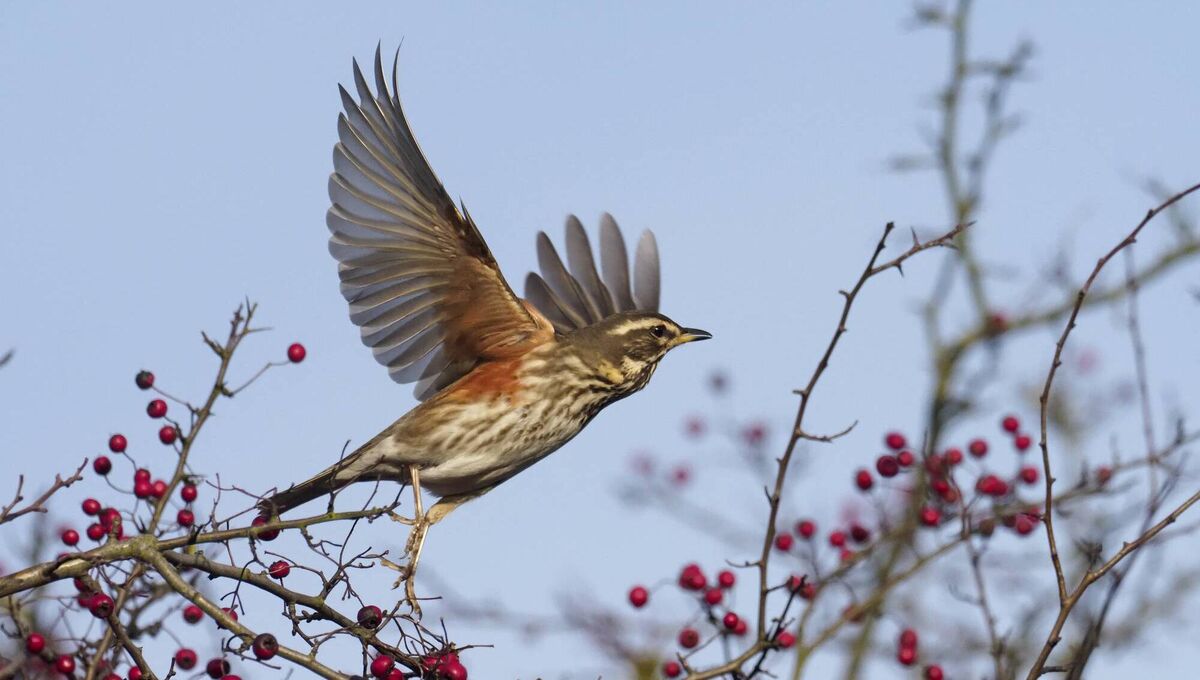
One of the birds downlisted in 2025 is much easier to find in an Irish November. The redwing, a thrush with a cream eyebrow and a flash of rusty red under the wing, moved from Near Threatened to Least Concern globally. Birds from Iceland and Scandinavia winter here, and a hawthorn hedge still carrying berries is a good place to look for one. There's nothing particularly glamorous about leaving berries on a hedge, counting nests in the dark or fitting a grid to a fishing net. None of it makes much of a headline on the day it happens. But if a turtle can take three decades to come back to the beach where she began, perhaps we can give good news a little longer to make itself known.
CONNECT WITH US TODAY



Be the first to know the latest news and updates