Rail renaissance: Drive to get freight service back on track
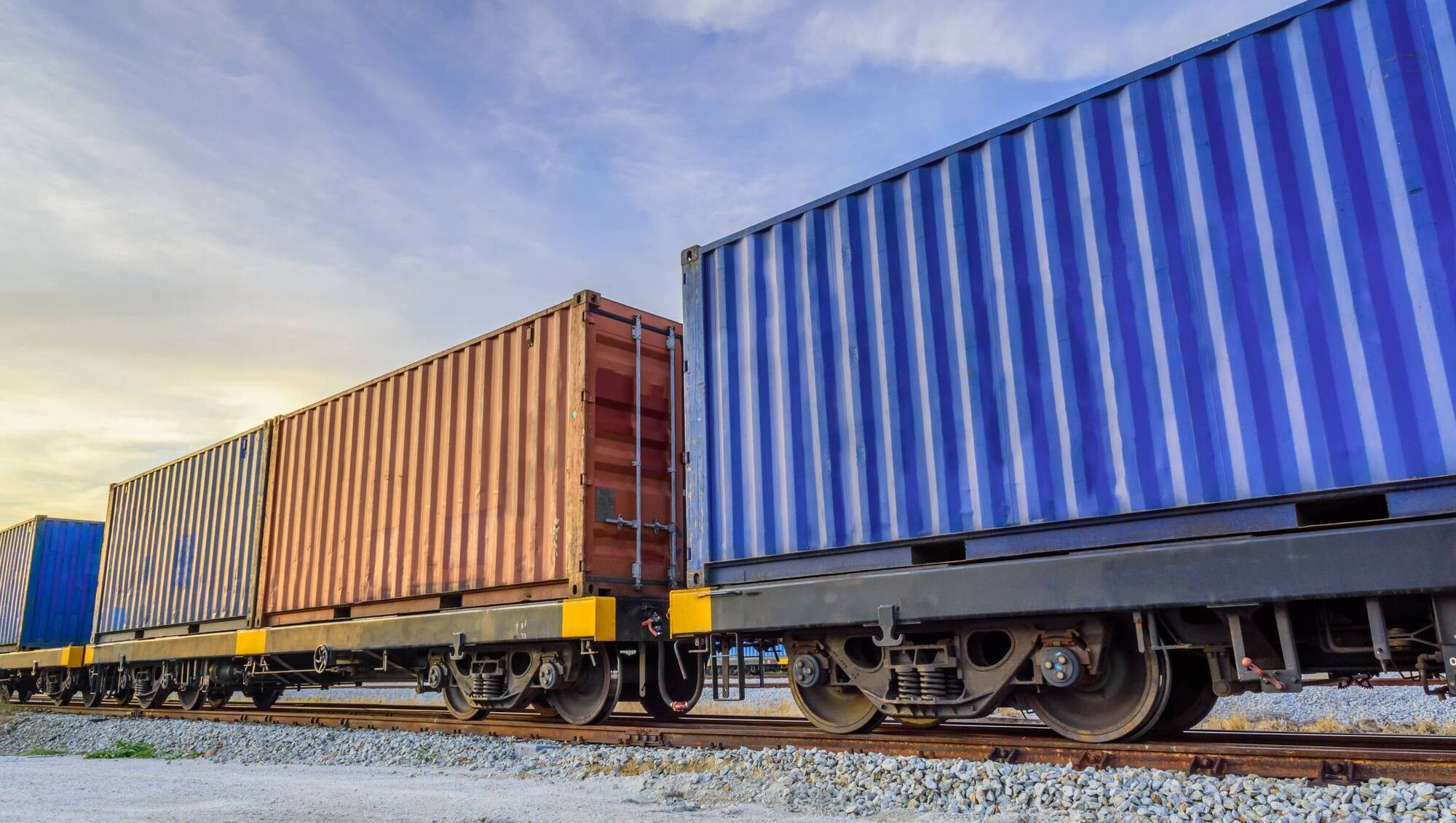
Our use of rail for freight is the lowest in the EU, with a marked decline in recent decades. Picture: iStock
The number of trucks on our national road network is steadily growing, while the volume of goods transported by rail continues to fall.
Heavy goods vehicles (HGVs) on our roads are increasing annually, up from 41,409, in 2019, to 47,163, last year, the Department of Transport reports.
Less than 1% of freight is now moved by rail, with a 35% drop in rail freight between 2024 and ’25. All this at a time when efforts are being made to reduce greenhouse gas emissions in the transport sector currently standing at 22% of all such emissions here, chiefly from road transport, according to the EPA.
Also, 99% of trucks are diesel-fuelled, though there’s a Climate Action target to have 3,500 electric HGVs on our roads by 2030. High purchase costs and a lack of sufficient battery charging facilities are seen as disincentives to going electric.
Our use of rail for freight is the lowest in the EU, with a marked decline in recent decades. An improved road network has also boosted trucking, while trucks also have the obvious advantage of door-to-door delivery.
Priority is being given to passenger rail services and there’s been under-investment in rail freight facilities. Nevertheless, as part of its capital investment programme, Irish Rail has a €500m Rail Freight 2040 Strategy which includes plans to integrate ports in Dublin, Cork, Foynes and Waterford directly into the freight rail network.
Aiming for a five-fold increase in loads carried, Irish Rail is setting out to remove over 140,000 HGV journeys, annually, and to add more than 100 weekly freight services.
A major disadvantage is that many parts of the country can no longer be reached by rail following the closure of so many lines, now being turned into greenways.
When rail transport was at its peak, we had had around 5,500km of line reaching many remote places. There’s now less than half of that. As motorised transport began to take over from the 1950s onwards, governments closed more and more loss-making lines.
Nowadays, with a growing population, traffic-clogged roads and the need to reduce transport emissions, many people would argue it was a mistake to abandon the rail lines.
Hard to believe that towns far moved from major centres of population once had train services. The west Clare line, immortalised in a Percy French song, ran as far as Kilrush and Kilkee; you could travel from Cork to Bantry, or Baltimore, by train; outlying towns in Kerry, such as Caherciveen and Dingle, also enjoyed such a service.
All these towns must now be serviced by road only, with businesses depending on truck-delivery for their supply of goods.

CONNECT WITH US TODAY



Be the first to know the latest news and updates