Under threat: Weather proving a problem for potato growing
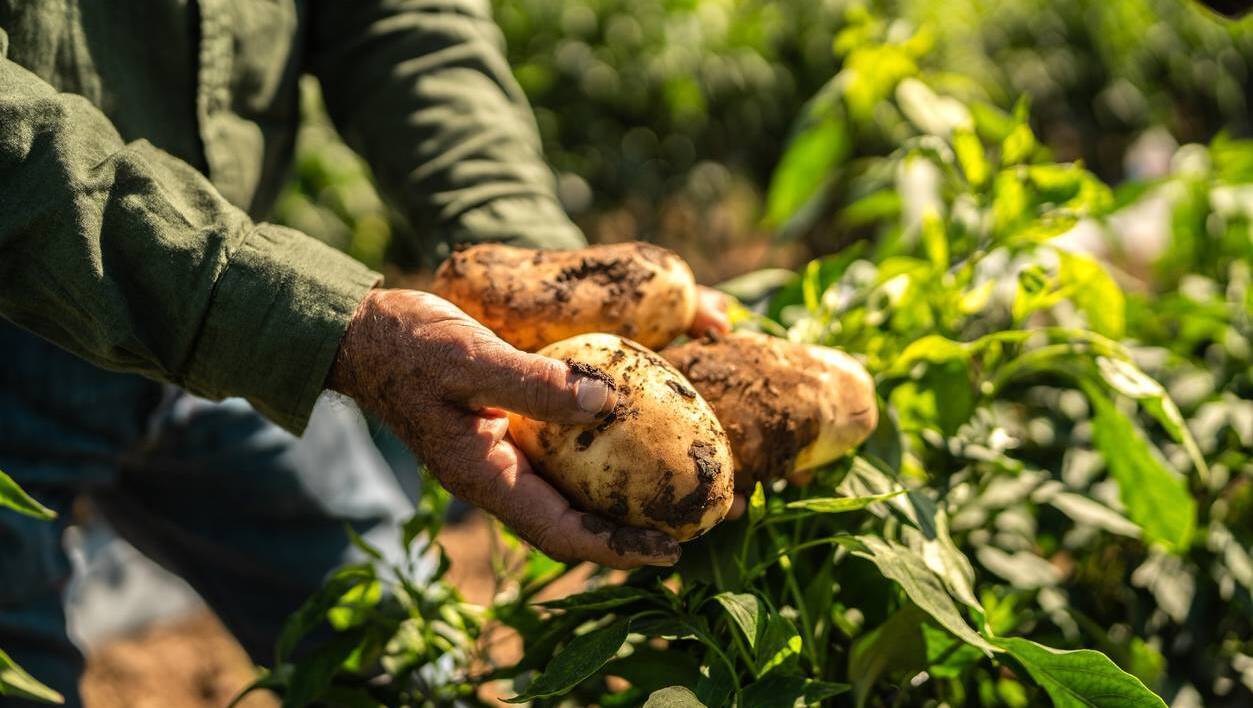
Potato consumption in Ireland has fallen from an annual average of 140kg per person, in the 1990s, to 85kg at present, according to Teagasc.
We’ve become accustomed to hearing of the many problems caused by climate change. Now we learn the future of potato growing in Ireland is under threat.
What’ll we do at all! Our fathers and mothers would roll in their graves at the thought of having to do without the modest spud, even for a day.
Weather is becoming a difficulty. Drought has hit four growing seasons since 2018, while exceptionally rainy winters and springs leave fields too wet for planting and harvesting, as highlighted by the North-Western Europe Potato Growers.
Mind you, we have been forsaking this food staple for a long time. Potato consumption in Ireland has fallen from an annual average of 140kg per person, in the 1990s, to 85kg at present, according to Teagasc, the agricultural research body.
Though the spud remains our number one, main meal carbohydrate, it continues to lose ground to pasta, rice and convenience foods. In busy households, the more exotic, trendy substitutes are much quicker to cook and prepare.
What’s more, children seem to take easily to pasta, especially. And they certainly don’t appear to go for boiled potatoes, preferring chips and other pre-prepared variations instead.
Only last week, I saw a group of under-10s being asked about their preference – potatoes or pasta? “Pasta,’’ all immediately chorused.
Growing up with a stay-at-home mother, so typical of the era, pots of boiled potatoes formed an essential part of our daily fare. In those days, every farmer grew their own, taking pride in their crop. That no longer happens. Spraying the stalks with copper-based fungicide to prevent the scourge of destructive blight was a vital summer ritual.
October is a potato-harvesting month. We remember it as a time when plenty of labour was needed for this essential work. Men in mud-browned wellingtons dug the spuds while children, and sometimes women, did the back-breaking picking, filling buckets with the new produce.
A pit was made for a big heap of potatoes and covered to protect them from frost during the coming winter. Often, youngsters were kept at home from school to help. On their return, the master would ask them to account for their absence. “We were digging the spuds, Sir,’’ was a standard reply.
Dieticians tell us potatoes containing vitamins, protein and minerals are more nutritious than some of their modern-day competitors. Potato skin has fibre and potassium, believed to lower blood pressure.
The Irish Potato Federation says rooster is the most popular variety on 60%, followed by Maris piper, 10%, with Kerr’s pink and golden wonder, both on 5%. Any of them will do, for you can’t ‘bate’ the spud.

CONNECT WITH US TODAY



Be the first to know the latest news and updates