Under threat: Securing the future of our elm and ash trees
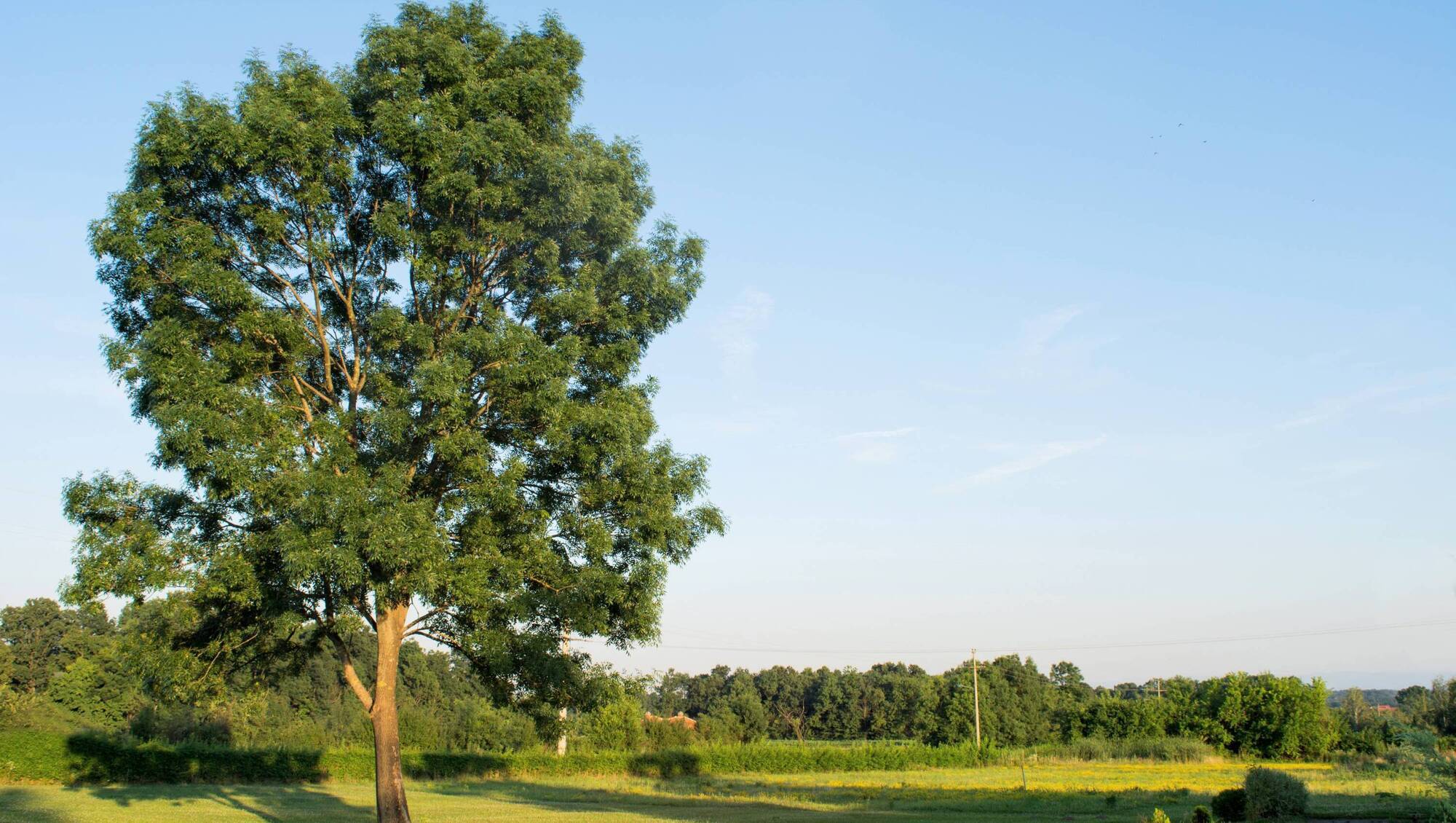
Ash dieback is one of the most serious threats to our native trees, with over 90% of ash expected to be lost.
It’s a time when people become really conscious of trees, with changing colours and falling leaves in advance of winter.
Something that cannot be overlooked, however, is the devastation of certain tree species by various diseases, resulting in elm and ash being almost wiped out in Ireland.
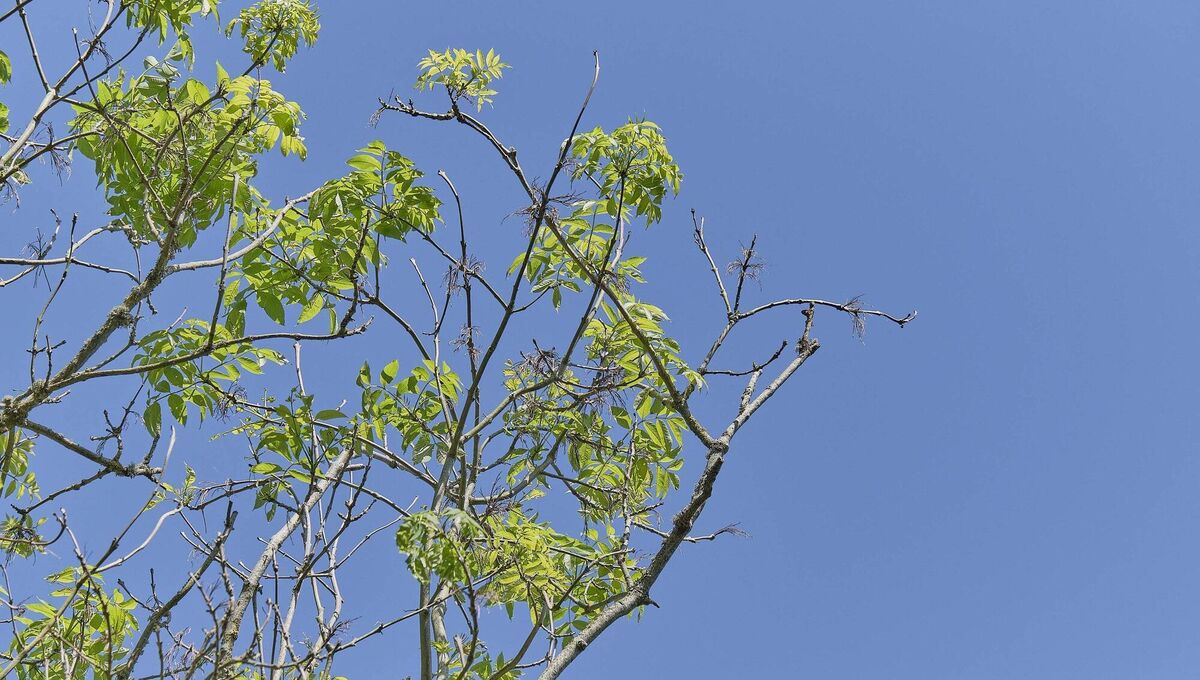
Once a familiar sight in hedgerows, roadsides and parks, healthy elms have largely disappeared from the landscape. Similarly, ash dieback is one of the most serious threats to our native trees, with over 90% of ash expected to be lost.
In folklore, ash is one of our sacred, protective trees. Apart altogether from being used for hurley-making, it had more mundane functions, like ash sticks being used to drive cattle so as to guard them against evil. It is also found at holy wells.
And, with Halloween on the way comes a reminder of an old belief that ash was used against witches, though witches could also use it to their advantage.
As a matter of significant concern, it’s entirely appropriate that the future of our elm and ash should be the subject of a presentation by Dr Dheeraj Rathore, senior research officer with Teagasc, to the 38th annual Killarney National Park autumn talks.
'Securing the future of our elm and ash' is the title of his talk, to be delivered in Killarney House, on Thursday, November 12.
Dutch elm disease is one of the most destructive tree diseases in history and is spread by bark beetles which carry the spores from infected to healthy trees, explains Dr Rahore, coordinator of a project to aid the recovery of such trees.
“Their decline is one of the most striking, yet often overlooked, changes in our landscape,’’ he comments.
Urgent action is needed to protect the small number of trees which are resisting the disease.
Dr Rahore says a unique part of their approach is the citizen science campaign which is helping researchers to find healthy surviving elm and ash trees, even in severely affected areas.
Survivor trees are central to conservation efforts and people are asked to report where they see them.
Given Killarney’s woodland riches, the location is apt for this presentation. The talks attract large attendances, with live-streaming boosting audience numbers.
- Thursday, October 15, Native Honeybees and Pollinators, Prof Grace McCormack, UCG. October 22, Dinis Cottage, Going Green, Kerry Corkery, Sustainability Engineer. October 29, Exploring the Annals of Innisfallen, Prof Padraig O Machain, UCC. November 5, Shadows of Splendour, Rachel Kavanagh, Killarney House. November 12, Securng the Future of Ireland’s Ash and Elm, Dr Dheeraj Rathore, Senior Research Officer, Teagasc.
- All talks in Killarney House, starting at 8pm.


CONNECT WITH US TODAY



Be the first to know the latest news and updates