Donal Hickey: Let’s stop and think to avoid wasting food
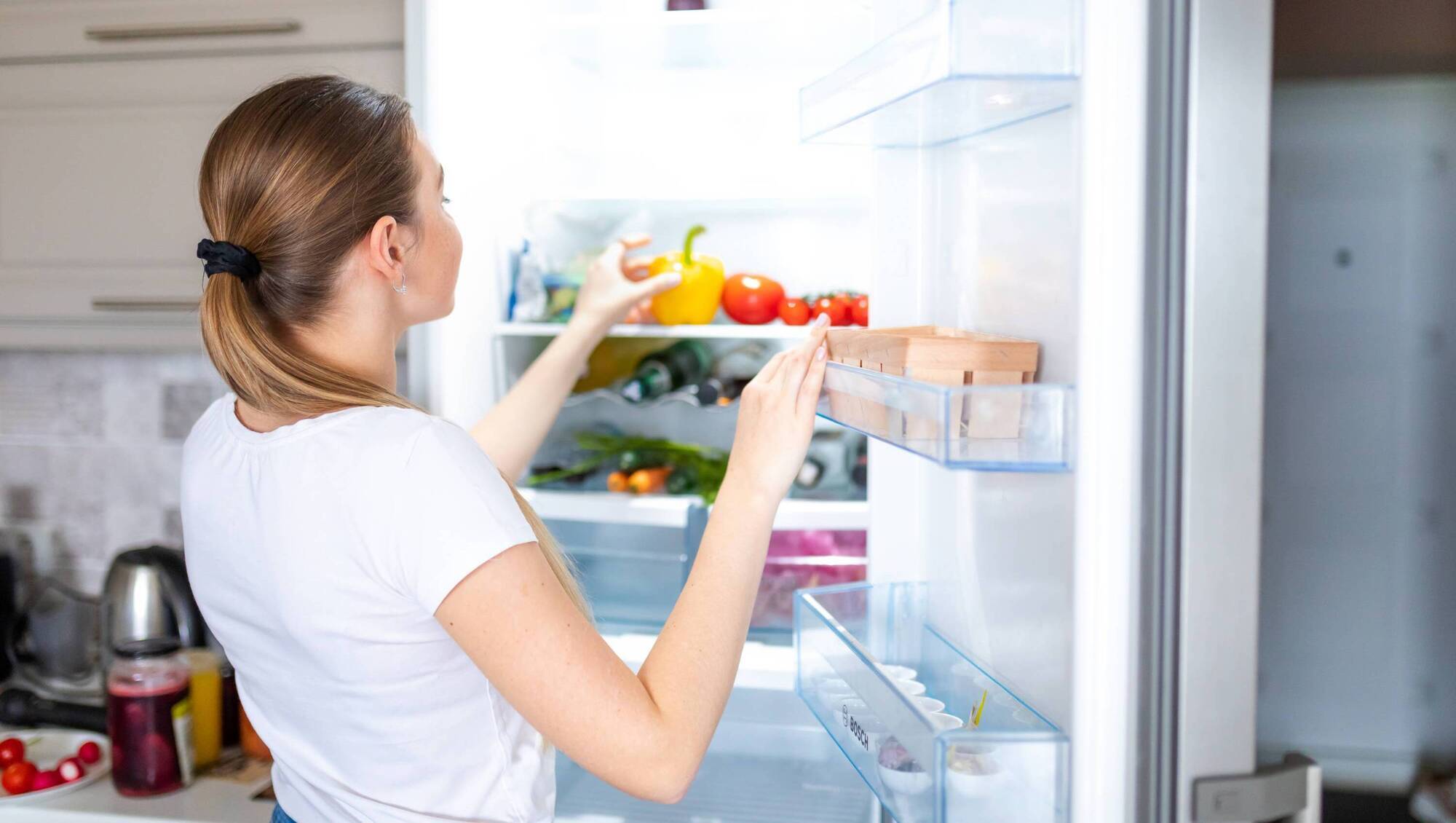
The EPA advises people to make a list of what they throw out over a week. Logically, that should enable smarter shopping. Meals should also be planned and cupboards and fridges checked before going shopping. Picture: iStock
With holidays over, schools reopened and regular routines returned, supermarket chains are targeting hard-pressed parents with a huge range of food offers and savers. Sometimes overlooked, however, is an obvious way of making savings — by cutting out waste.
The Environment Protection Agency (EPA) says 220,000 tonnes of food are wasted in Irish households every year, costing an average of €700 per house. Almost half of people (48%) say bread is the food they throw out most at home.
It can be a case of buying too much, and food not being eaten on time.
The EPA says households could save upwards of €60 per month by making small changes in how they buy, store and cook food. If people are thinking about waste, they will do something to prevent it.
Research shows 87% of people freeze sliced pan, with 91% confirming that frozen bread gets eaten all the time, or often.
So, an easy, practical way is to freeze bread products. All types of bread can be frozen, including rolls, hot dog and burger buns, baguettes and wraps, to mention some. Bread lasts for up to three months in the freezer.
EPA food waste prevention expert, Odile Le Bolloch, says: “Freezing bread means you have a ready store when you need it. The good news is that we’re already great at freezing sliced pan and using it later, but there’s an opportunity to stop other bread going to waste.’’ Just 55% say they freeze rolls, or baguettes, and only 35% freeze wraps. Food businesses can also play a significant role in reducing waste, as they generate nearly two-thirds of such waste here.
Research shows Ireland produces around 835,000 tonnes of food waste annually, mainly in households, restaurants/catering and manufacturing/processing, in that order: surely, a staggering figure given the huge amount of hunger in the world.
Even a cursory peek at volumes of leftovers on plates in restaurants shows an extraordinary level of waste. And, you might surmise, are people too posh nowadays to use leftovers at home?
Stop Food Waste, an EPA programme, helps householders make the most of their food, from good planning and shopping practices to correct storage and reuse.
For example, people are advised to make a list of what they throw out over the next week. Logically, that should enable smarter shopping. Meals should also be planned and cupboards and fridges checked before going shopping.
Tips are also suggested to reduce waste in the workplace, like having a sharing shelf in the canteen and fridge to let people know they’re welcome to food left there.

CONNECT WITH US TODAY



Be the first to know the latest news and updates