Urban crawl: Number of hedgehogs in cities spikes
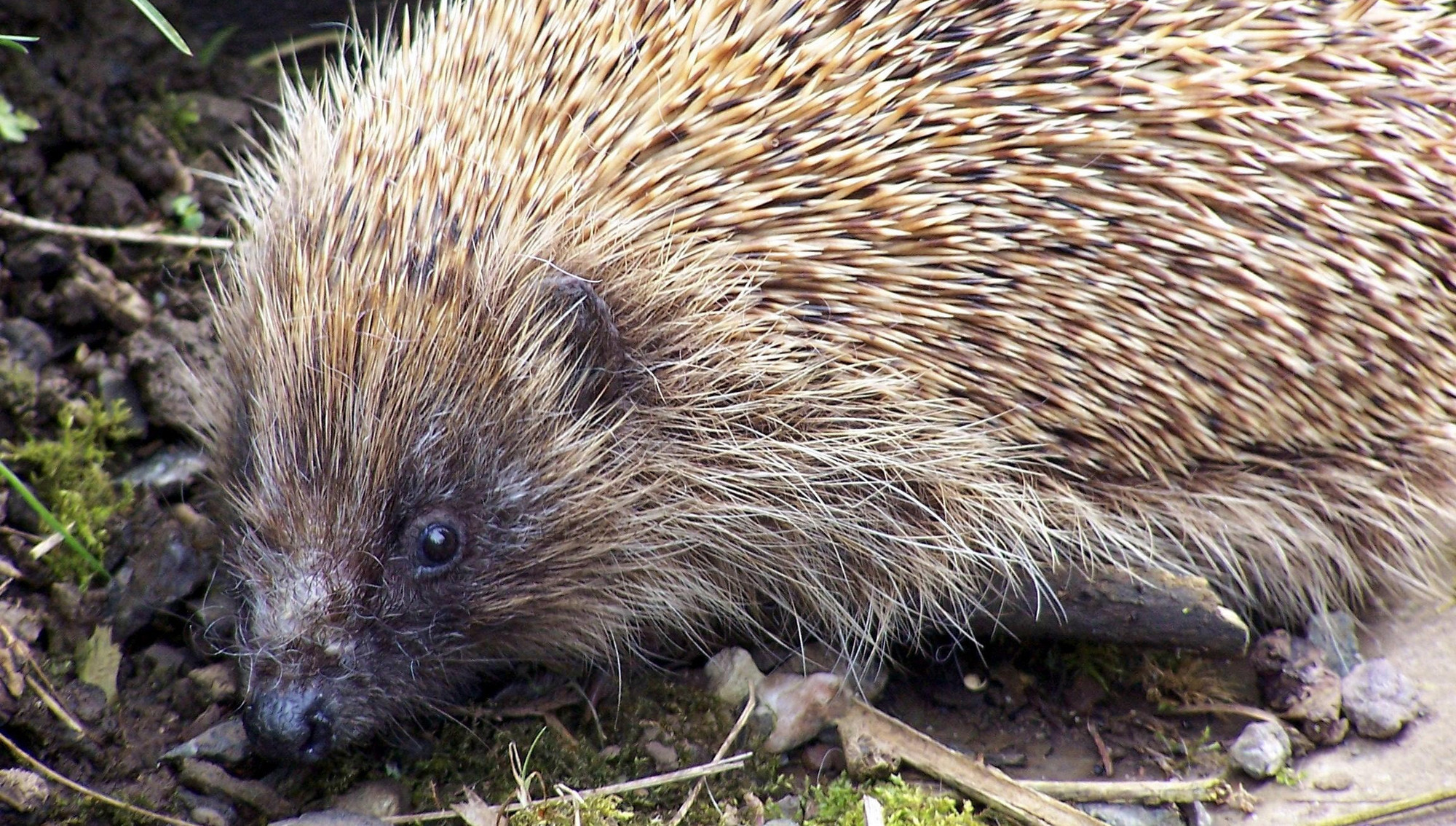
Hedgehogs are currently preparing for winter hibernation. They are eating more to put on weight, consuming slugs and worms and as much protein as possible. Picture: PA
Similar to what’s happening with the fox, it now appears hedgehogs are being increasingly drawn to green and sheltered urban areas. These days, hedgehog activity is rising as autumn sets in, temperatures drop, trees begin to change colour and shed leaves.
The spiky fellows are preparing for winter hibernation. They are now eating more to put on weight, consuming slugs and worms and as much protein as possible.

And they must also provide cosy accommodation for themselves — nests made from leaves, often under vegetation, compost heaps, wood piles and sheds. So, gardeners and people doing autumn tidying-up outside their homes are asked to allow these harmless creatures nesting space in quiet, shaded corners.
Earlier this year, a new initiative, which aims to develop a nationwide conservation strategy to protect these animals, was launched. The Hedgehog Conservation Group is led by Elaine O’Riordan, of the University of Galway’s School of Natural Sciences, and other academics.
The move brings together researchers, wildlife rescuers and community supporters. Hedgehog numbers have dropped across western Europe, and the species is now listed as ‘near threatened’ on the International Union for Conservation of Nature (IUCN) Red List.
Populations are estimated to have fallen by between 16% and 33% due to habitat loss, road traffic and pesticides. Anecdotally, road-kill seems to be a significant factor in their decline in Ireland.
Long-term monitoring in Britain shows a population drop of up to 75% in some rural areas. On a positive note, urban populations appear more stable, highlighting the critical role that suburban gardens, parks, and other managed green spaces play in hedgehog survival.
Ms O’Riordan, also lead of the Irish Hedgehog Survey, said they had collected over 10,000 records from the public since 2021, helping researchers track population trends and understand where hedgehogs live. She urged people to sign up as hedgehog helpers in the survey.
“Everyone can help by taking simple steps to make their garden hedgehog-friendly. For example, leave some areas a little wild, create a small hole in your fence to let hedgehogs pass through, avoid using slug pellets, and cover open drains,” she advised.
Meanwhile, some readers have been in contact arising from a recent column on butterfly activity. Nature observer Tom Lynch, of Ennis, County Clare, reports he never saw as many clouded yellow butterflies as he did this year.
In August, he saw the species in seven locations close to his native Dingle, County Kerry, while painted lady and red admiral numbers were very high. “The clouded yellow is a beautiful butterfly. Normally, you would be lucky to see one, or two, during the year,’’ he notes.