Groundhog day: Call for end to hunting of French marmots
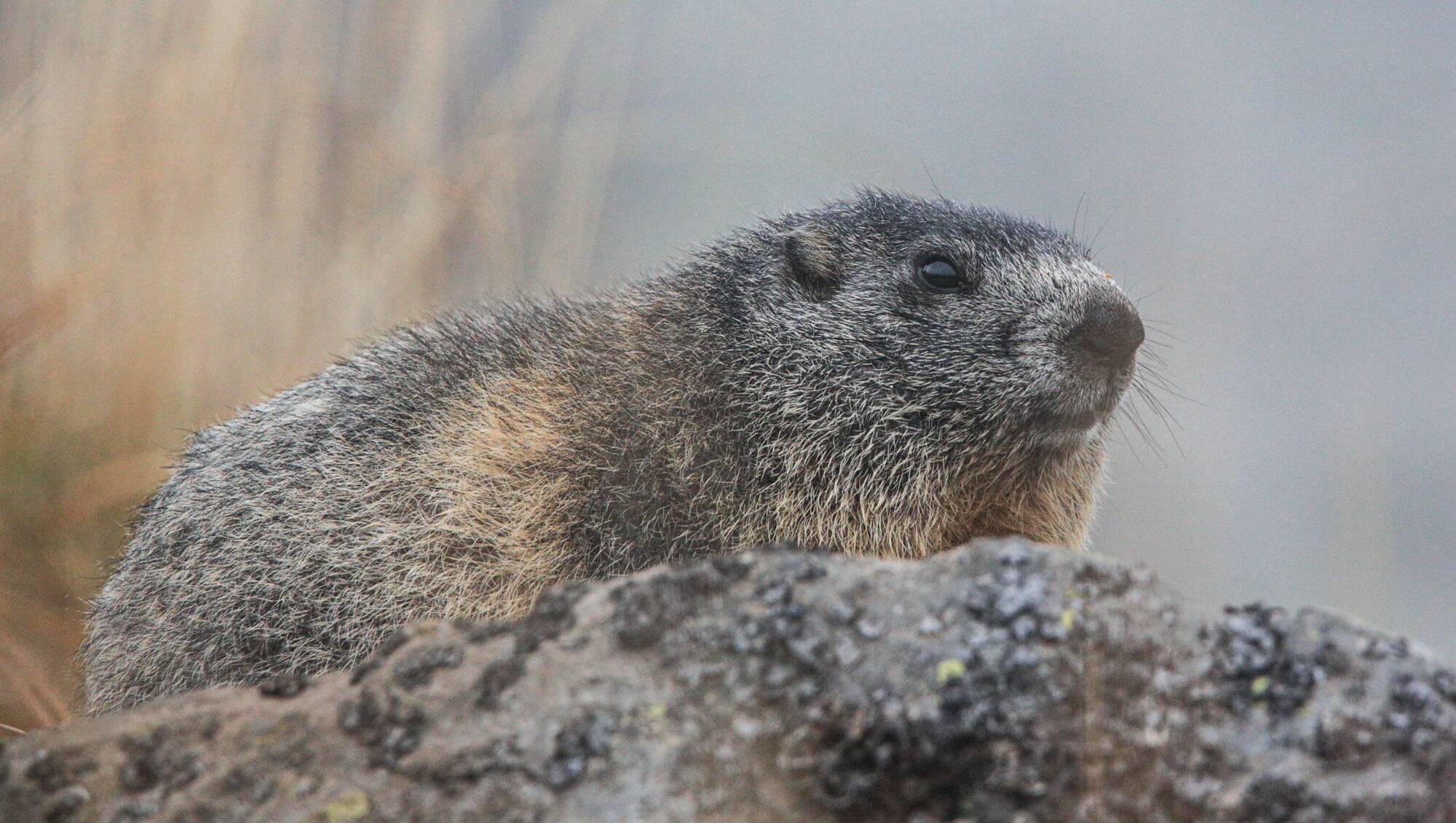
Although its numbers are said to be falling, and litters are smaller than in the past, the Alpine marmot is not listed as a threatened species. Picture: Getty
—
‘La marmotte’, the ground-squirrel that trekkers encounter in the mountains, is making news in France. Shooting marmots is permitted from September 1 each year. However, l’Association Justice Animaux Savoie (AJAS) does not approve. It is calling on the French government to prohibit such hunting.
The Alpine marmot is one of 15 species worldwide, the best known of which is the groundhog. This large North American rodent is supposed to emerge from its burrow on ‘groundhog day’ (‘journée de la marmotte’ to French Canadians) February 2. If it can see its shadow on that day, the groundhog is said to go back to sleep for another six weeks.
Its European cousin also has traditions. Impoverished children captured marmots, trained them dance, and exhibited them for money. Goethe’s Leid des Marmottenbuben (‘the song of the marmot boy’) inspired his friend Beethoven to compose a song; La Marmotte.
The Alpine marmot, the third largest European rodent, is found at altitudes of 800m or more. Able to burrow into the hardest soil, it lives mostly underground, hibernating for six to seven months each year. Just now, marmots are building up their fat reserve prior to retiring. A mature male, sometimes called a ‘bull’, can weigh up to 8kg when entering hibernation, but only 2kg by the following spring.
We haven’t got marmots in Ireland, but the ways of rabbits come to mind. Rabbits are lagomorphs, not rodents, nor do they hibernate, but there are similarities between the two lifestyles. Both are vegetarians living communally in underground villages and both are hyper-vigilant, retreating into their burrows when danger threatens. Marmot colonies somewhat resemble rabbit warrens but sentinels are mounted to keep watch when on relatives venturing are out into the open. The sentinels emit loud warning whistles at the first sign of danger.
But creatures living in cold conditions take things slowly. Female marmots, often called ‘cats’, produce one to seven babies each year from the age of two onwards. They don’t ‘breed like rabbits’.
Although its numbers are said to be falling, and litters are smaller than in the past, the Alpine marmot is not listed as a threatened species. Nor, unlike rabbits, is it a pest. As it is seldom eaten in France nowadays, animal rights supporters argue that hunting should be forbidden on humane grounds. Marmots became extinct in the Pyrenees, although they were re-introduced there successfully. The Alpine species is one of Europe’s least genetically diverse mammals. Its population seems to have gone through a genetic bottle-neck during in the Ice-ages. Could this happen again?
Average temperatures in the Alps have risen by 2°C since the 19th Century. The mountain habitat is changing rapidly. Glaciers are disappearing and snow cover, which, paradoxically, provides a heat blanket for creatures under it, is receding. Higher temperatures mean that deep-freeze protection from dangerous pathogens is weakened. Will marmots be able to adapt successfully, and quickly enough, to survive?
Is their high-pitch alarm call a warning of even greater approaching danger?

CONNECT WITH US TODAY



Be the first to know the latest news and updates