Bird-brained: Research debunks long-held beliefs about dodos
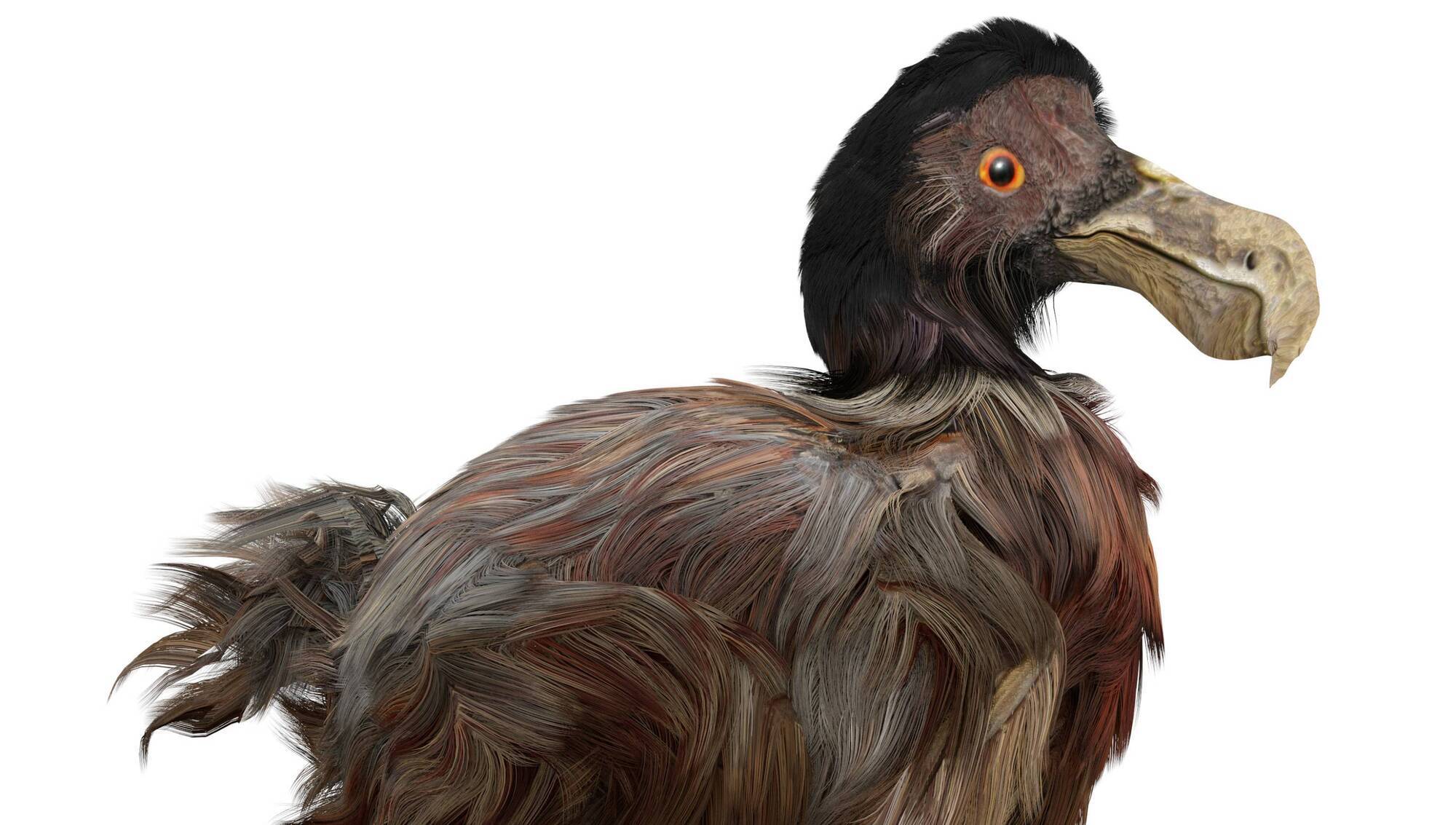
An illustration of the extinct dodo bird. This rendering reflects contemporary scientific research on the bird as more slender and darker in colour than traditional painting depictions.
—
In 1598, Portuguese explorers came upon an island in the Indian Ocean, where large flightless birds lived. Between 60cm and 75cm tall, the birds were so tame they could be caught by hand. Dutch sailors, visiting the island in 1507, called it ‘Mauritius’ after Prince Maurice of Nassau.
Long-distance travel, back then, was a harrowing and precarious experience, even for business-class passengers. Shipwreck was a constant hazard. Pirates prowled the oceans. Sailors died of scurvy and dysentery. The food aboard ship was awful. The island’s birds offered tantalising gourmet prospects. Alas, their flesh was disgusting. Nevertheless, there being little else available, the sailors ate it.
There are several suggestions as to how the famous bird got its name. Few drawings made from life survive, but the creature appears to have been fat and clumsy. The Portuguese word for a ‘doine le Dia’ was ‘doudo’, and ‘dodaars’ meant ‘fat-arse’ in Dutch. The dumpy little dabchick, whose shape resembles the dodo’s, is known as the ’dodaars’. The term, apparently, also means ‘lazy lout’.
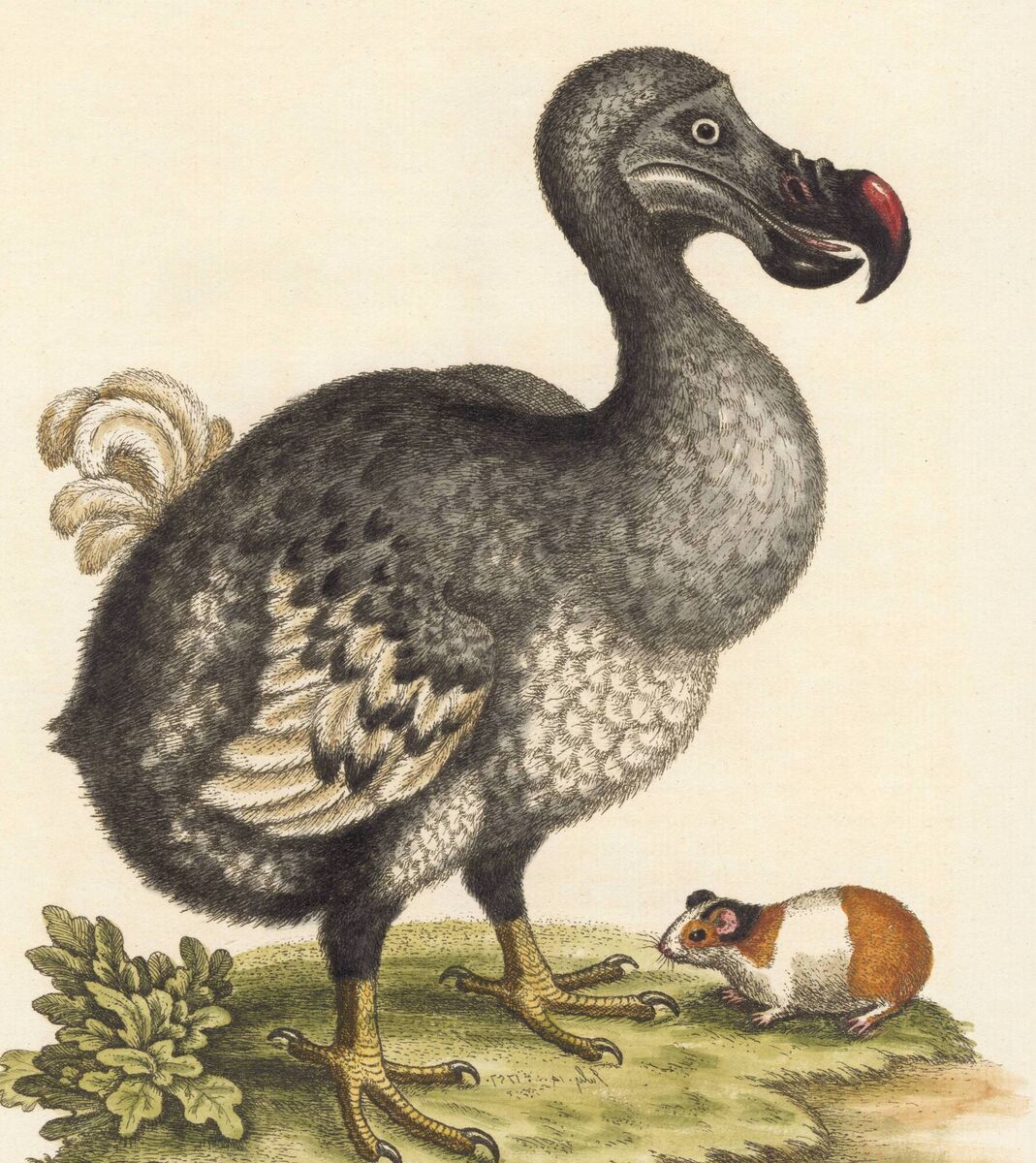
The sailors introduced rats and cats to Mauritius. Pigs were released there; they would be a source of fresh meat during the return journey of the ship. Unfortunately, dodos nested on the ground, where the pigs sought out and ate their eggs. The creature’s days were numbered. The last sighting of one was in 1682. Soon the bird was as dead as the dodo.
It is thought that island-hopping pigeons had reached Mauritius and Rodrigues Island, 550km away, around ten million years ago. All their Christmases had come together when they arrived; the two islands offered abundant food in a benign climate. There were no predators, so the wanderers setup shop and stayed. No longer needing air travel, they abandoned flying and evolved gradually into the dodo and the Rodrigues solitaire.
But was the dodo really the overweight intellectually-challenged slob of popular opinion? Creatures whose ancestors never encountered people, often have no fear of them. On the Galapagos we could approach within a few metres even of a hawk, without its flying off. Indifference to human presence, therefore, doesn’t necessarily indicate stupidity.
Live dodos were transported to Europe, at least eleven of them surviving the journey. A 98% complete skeleton is displayed in the Mauritius natural history museum in Port Louis. Looking at it some years ago, it was difficult to form an impression of the living bird.
Sara Citron at the University of Lethbridge, has studied the two surviving dodo skulls and a partial one. The bird’s ancestors, she found, lost more than their ability to fly; their optic lobes were much smaller than those of typical pigeons. This suggests that, having poor eyesight, dodos were most active at dawn and dusk or during the night. Their ability to smell was well developed; the bird probably used it to locate food.
But was the bird stupid? No, Citron and colleagues concludes. The CT scans showed that its brain was no smaller than those of similarly-sized modern birds.
- Sara Citron et al. The sensory world of the Dodo & Solitaire revealed by endocast & skull anatomy. 2026. .
CONNECT WITH US TODAY



Be the first to know the latest news and updates