Rat trap: Much of what we blame on rodents is our own doing
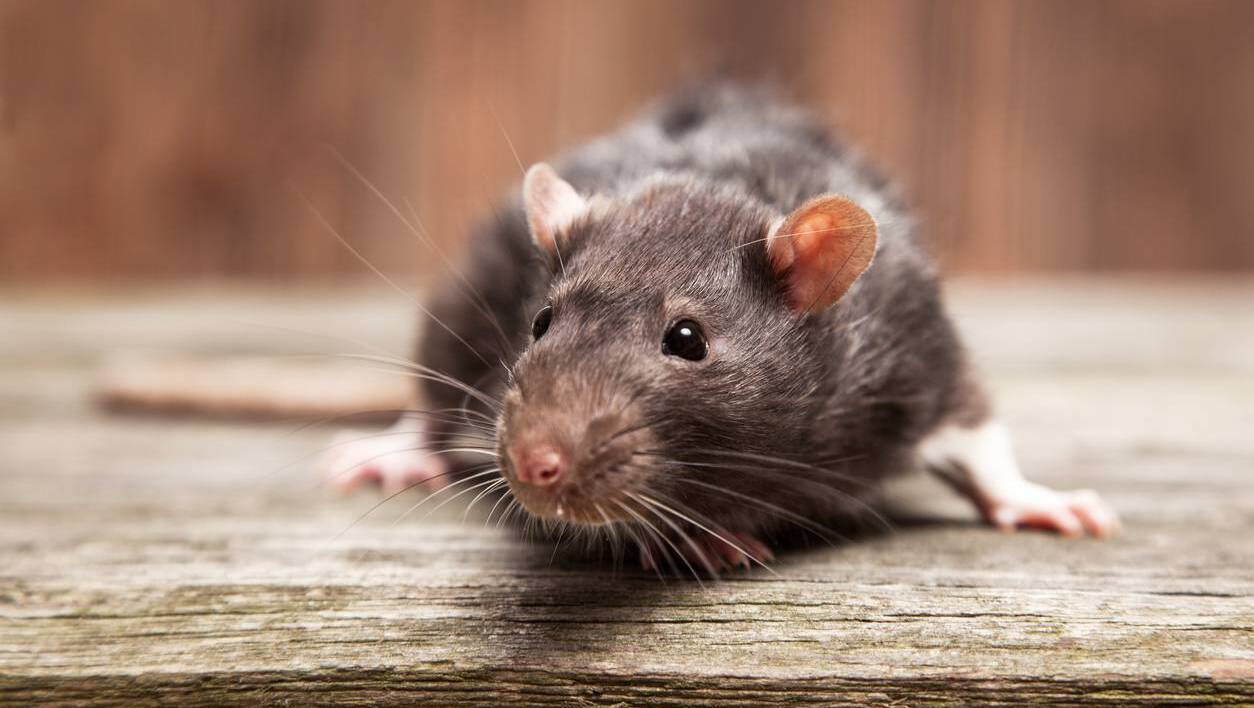
Rats are unwelcome visitors in our homes, but so much of what we dislike about them is of our own making.
-
The German Zoologist Peter Simon Pallas is best known for a species of bird he described. A Pallas’s warbler turned up on Cape Clear Island in October1968 and this Asian species has been a rare visitor to Ireland ever since. Pat Smiddy in noted that 42 of these little greenish-grey vagrants have been recorded here, 26 to them in Cork.
Pallas famously witnessed a pivotal change in the history of modern mammals, and indeed of humans. He described seeing hordes of brown rats from Central Asia crossing the Volga into Europe in 1727. The invaders would go on to displace the resident black rat, the fleas on which carried Yersinia pestis, source of the Black Death which had devastated Europe repeatedly. The disease still occurs, but thanks to the arrival of brown rats, outbreaks are rare nowadays.
Shortage of fodder is forcing farmers to open their winter stores prematurely to feed livestock. But do rats also suffer during heatwaves? Not that many people will shed tears over them if they do? Brown rats may have helped save us from the plague, but they are still universally hated. ‘Eaten bread is soon forgotten!’ Rats keep a low profile. Ones seen above ground in daylight are usually in trouble. Venturing out into the open is dangerous; individuals doing so tend to have no choice. They will often be youngsters forced by hunger to take their lives in their hands and run -the-gauntlet in desperation. The ones I’ve seen recently along roadsides appeared skinny and scruffy. Were they, like farm animals, also under heatwave pressure?
According to historian John Rutty, brown rats had reached Dublin by 1722. They seem to have spread and eliminated their black cousins extraordinarily rapidly. Oliver Goldsmith, born in 1728, just a few years after brown rats first arrived, wrote that he couldn’t remember ever seeing a black one. Compare that with the more recent grey squirrel invasion.
The grey, which arrived in Ireland in 1911, has been displacing the smaller red squirrel ever since. But, over a century and half later, the red still survives. The grey carries a ‘squirrel pox’ virus, to which it is itself immune, but which infects red squirrels encountering it.
Black and brown rats occupy slightly different ecological niches, so it seems odd that the brown so easily displaced its black cousin. The brown is bigger and is said to attack and kill blacks, eating their pups.
Rats are dirty. They contaminate food stores, spread disease and damage buildings. We have only ourselves to blame for their ubiquitous presence. They thrive in our tunnels, sewers and the wall- cavities of buildings, gorging themselves on offal and waste food. But are they’ all bad’?
Marlene Zuk of Princeton University argues in her book that we made rats what they are today, with our wasteful, slovenly, and unhygienic habits. But, she points out, we also created lab rats, the ‘guinea pigs’ of choice for laboratory testing. They have to be ‘a lot like us’, or we couldn’t accept ‘the results from studies of their responses to medications’.
‘See not the beam in thy brother’s eye’ etc. Nobody is perfect.
CONNECT WITH US TODAY



Be the first to know the latest news and updates