Stronger source-to-sea approach needed to protect our oceans
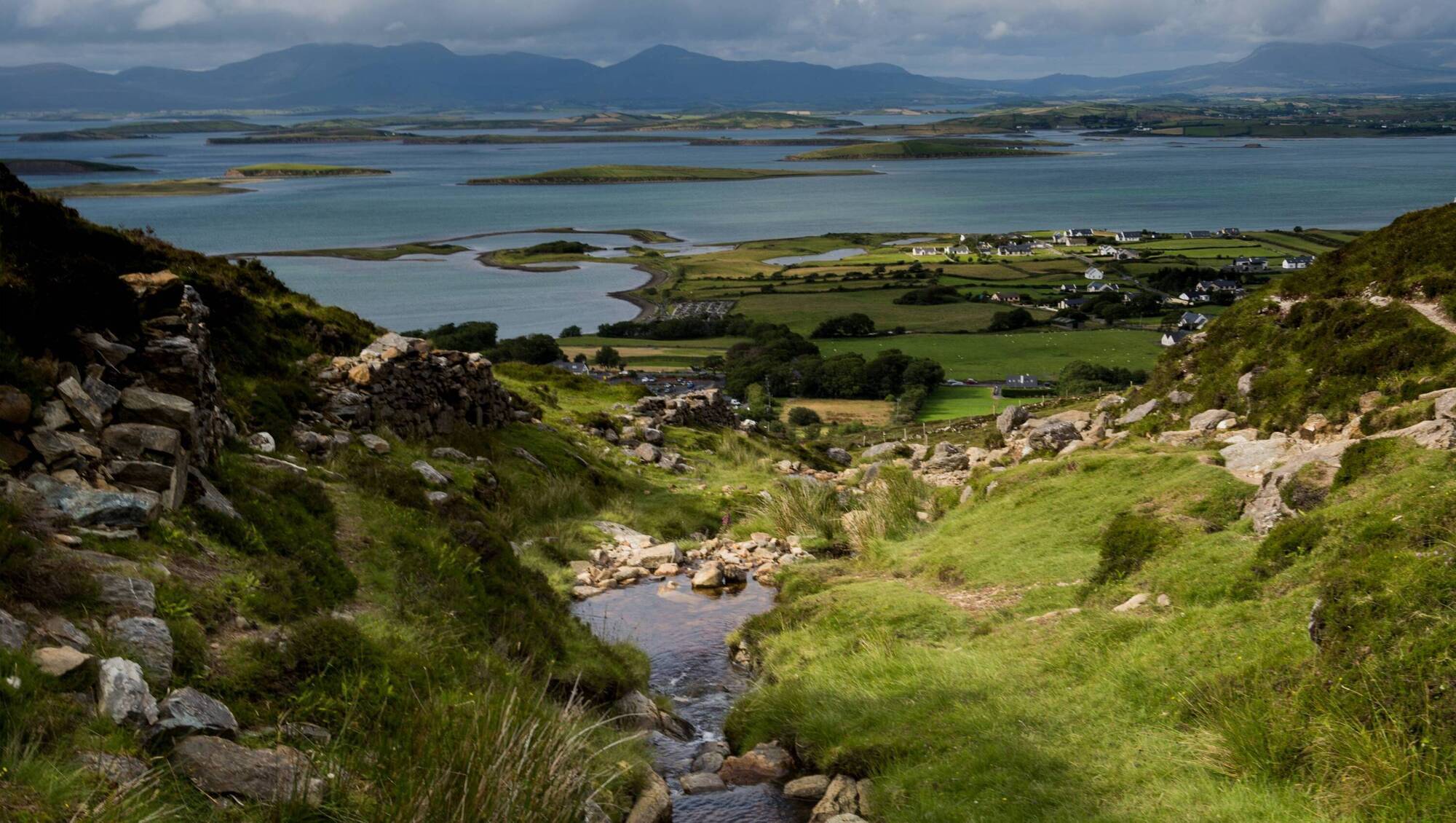
Long before water reaches the coast, it has travelled across fields, through forests and towns, along roadsides, into drains, streams and rivers. Picture: iStock
When we think about protecting the ocean, we tend to picture beaches, fishing boats, plastic bottles and perhaps a forlorn seabird gliding over the water. We rarely picture a farm drain 40 kilometres inland or stormwater drains in our cities. But perhaps we should. We tend to imagine the coast as a boundary. Land here, sea there. A neat line on a map. Nature, unfortunately, has never shown much respect for our filing systems. Every river catchment is connected to the sea it eventually meets.
Long before water reaches the coast, it has travelled across fields, through forests and towns, along roadsides, into drains, streams and rivers. On the way, it can pick up soil, nutrients, pesticides, wastewater contaminants and litter. By the time it reaches an estuary, it may be carrying an environmental biography of everything that happened upstream. A river does not reach its estuary, straighten its tie and announce that freshwater management has now finished and marine management may begin. What happens on land can have very real consequences at sea. This is important as activities many kilometres inland can alter ecosystems that look entirely marine. Too much nitrogen and phosphorus can stimulate excessive algal growth and contribute to eutrophication and oxygen depletion. Fine sediment can make water more turbid, reducing the light available to seagrass and other aquatic plants, while deposited sediment can smother habitats. Pollutants attached to sediment can also hitch a ride downstream.
Ireland knows this problem well. Our Water Action Plan, the River Basin Management Plan for 2022-2027, already covers rivers, lakes, estuaries and coastal waters. The EPA has repeatedly identified nutrient losses from agriculture, alongside wastewater and other pressures, as important causes of poor water quality. The EPA’s 2024 nutrient assessment noted that, according to the most recent full ecological assessment (2016-2021), only 36% of Irish estuaries were in satisfactory ecological health. Yet the way we talk about water can still become strangely compartmentalised. We have freshwater management, coastal management and marine management, as though the molecules involved understand which government strategy they are currently passing through. They do not. A nitrate ion has never stopped at an estuary to check whether it is now somebody else’s responsibility.
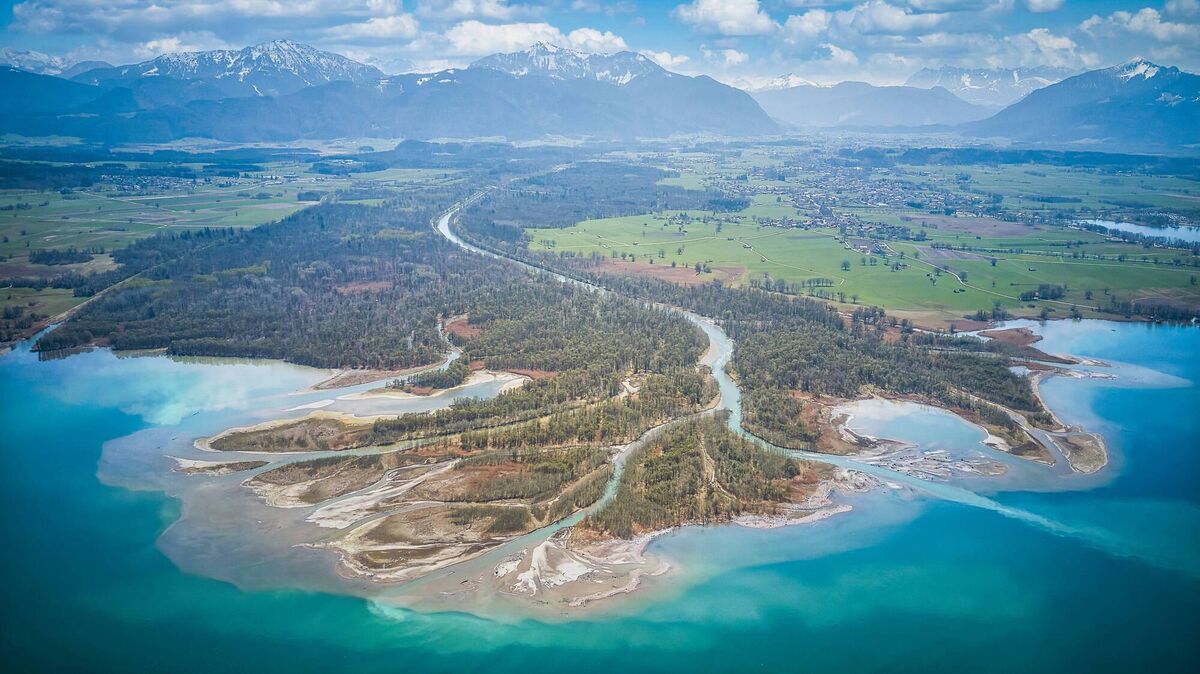
This is why the idea of “source-to-sea” management is gaining attention internationally. Rather than managing rivers and coasts as neighbouring but separate systems, it treats the entire journey of water, sediment, nutrients and pollutants as one connected system. New Zealand has a particularly elegant version. Its freshwater policy uses the Māori concept ki uta ki tai, which translates roughly to from the mountains to the sea. Local authorities are explicitly required to recognise connections from mountains and lakes, through rivers and estuaries, to the ocean, and to consider how land use affects downstream receiving environments.
Australia has taken the concept to an enormous scale around the Great Barrier Reef. In 2026, the Australian and Queensland governments launched the Reef 2050 Catchment Water Quality Strategy, covering 35 major catchments draining towards the Reef. Management targets are linked to pollutants including fine sediment, nutrients and pesticides, with actions targeted at the catchments contributing most strongly to marine pressures. Australia even has a monitoring framework historically known as Paddock to Reef, which may be one of the few government programme names that also works as a complete environmental-science lecture.
Around the Baltic Sea, countries have gone further still by agreeing nutrient-input ceilings through the HELCOM Baltic Sea Action Plan. Nitrogen and phosphorus arriving by rivers and the atmosphere are treated as pressures on the sea regardless of which side of a national border they originated. Between the 1997-2003 reference period and 2021, total nitrogen inputs fell by about 11% and phosphorus by 30%, although eutrophication remains a serious problem. The fundamental principle is the same, in that if the problem appears at the coast, some of the solution may be located hundreds of kilometres inland.
For Ireland, a stronger source-to-sea approach would not mean inventing an entirely new bureaucracy. Much of the architecture already exists through catchment management, the Water Framework Directive, marine planning and Ireland’s Marine Strategy. The opportunity is to connect these more visibly and practically. This can be done by tracing coastal pressures back to their sources, setting catchment measures with downstream marine outcomes in mind, and monitoring whether improvements on land actually translate into healthier estuaries and coastal waters. This could mean better nutrient management on farms, restoring wetlands and riparian buffers, reducing soil erosion, improving wastewater treatment and designing towns so that stormwater carries less pollution into rivers. Importantly, it means judging success not only by what leaves a field or flows past a river monitoring station, but by what eventually reaches the sea.
Ireland is an island nation. Our relationship with the ocean does not begin at the beach. It begins in upland bogs, farm drains, city streets, groundwater and small streams. The sea, in other words, starts much closer to home than we think.

CONNECT WITH US TODAY



Be the first to know the latest news and updates