Donal Hickey: What is water harvesting and is it making a return? 
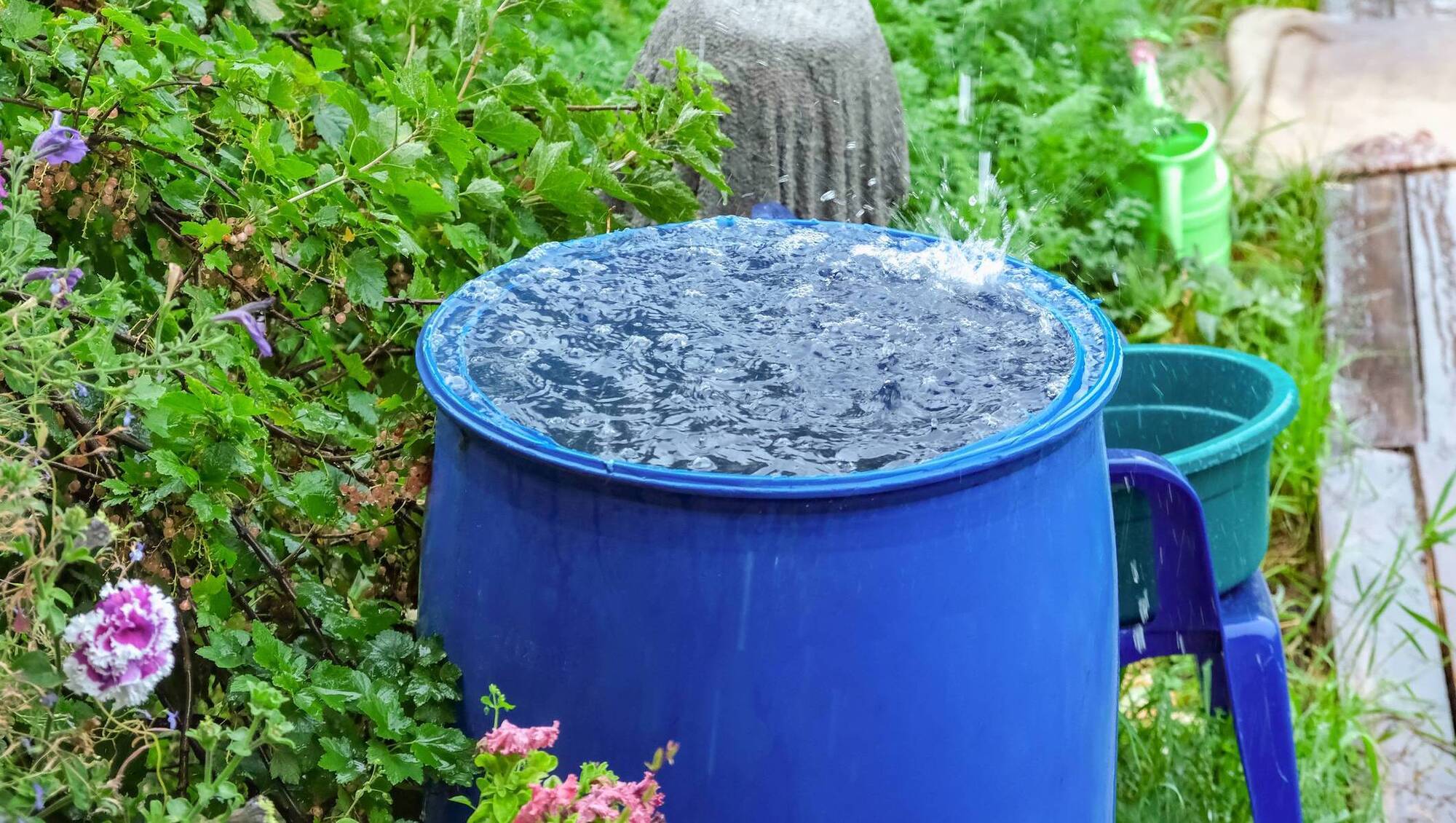
Nowadays called water harvesting, this form of collection and storage was widely practised by our practical ancestors. Often, large concrete troughs were part of the scene in farmyards for the same purpose
Donal Hickey: "Conservation is set to become a critical priority as we face the prospect of longer, more frequent periods of drought and rising temperatures due to climate change." Picture: iStock.

Donal Hickey: "Conservation is set to become a critical priority as we face the prospect of longer, more frequent periods of drought and rising temperatures due to climate change." Picture: iStock.

Times when barrels were a common sight against the external walls of houses — to catch rainwater falling from the chutes — could soon be returning. 

Nowadays called water harvesting, this form of collection and storage was widely practised by our practical ancestors. Often, large concrete troughs were part of the scene in farmyards for the same purpose.

It’s now clear that the days of taking a plentiful water supply in Ireland for granted are over. Water rationing and hosepipe bans are only temporary measures, quickly forgotten once “normal” mixed weather conditions return following prolonged dry spells.

Conservation is set to become a critical priority as we face the prospect of longer, more frequent periods of drought and rising temperatures due to climate change.

According to Fiona Regan, director of Dublin City University Water Institute, the real priority should be reducing our consumption to below the EU average.

The EU household water supply averages 144 litres daily per person, but our EPA points out just 6% of Irish domestic water is used for drinking and cooking. This means 94% of our treated water does not need to meet stringent drinking water standards. Yet, we’re one of Europe’s highest consumers, a challenge that will only grow with an increasing population.

She said a comprehensive strategy involving domestic rainwater harvesting, water conservation, and grey water recycling, such as reusing shower water for toilet flushing, could supply over 90% of domestic water needs. After all, does it make sense to use expensively-treated water for car washing and gardening?

Ms Regan told RTÉ’s Brainstorm: “A smarter approach is needed, one that prioritises water reuse, efficiency and conservation incentives. It is simply illogical to use the same high-quality, treated water for drinking as we do for flushing toilets and watering plants.”

Leakage from an outdated pipes and the loss of millions of litres, before they even reach consumers, also needs to be addressed. Uisce Éireann reports leakage levels at 36%, compared to 49% in 2014, and the aim is to reduce it to 25% by 2030. Upwards of €2.6bn is being spent on the network to replace old or damaged pipes.

Ms Regan has proposed practical steps that need to be taken to ensure efficient water usage, including:

  • Mandating that all new buildings have water conservation measures;
  • Offering financial incentives to households that actively reduce their water consumption;
  • Providing every household with a “water butt” for rainwater collection and reuse as part of national climate and energy initiatives; Addressing leaks across the national water network.

x

More in this section

Revoiced

Newsletter

Had a busy week? Sign up for some of the best reads from the week gone by. Selected just for you.

Cookie Policy Privacy Policy Brand Safety FAQ Help Contact Us Terms and Conditions

© Examiner Echo Group Limited