Growing benefits: Developing a sustainable seaweed industry
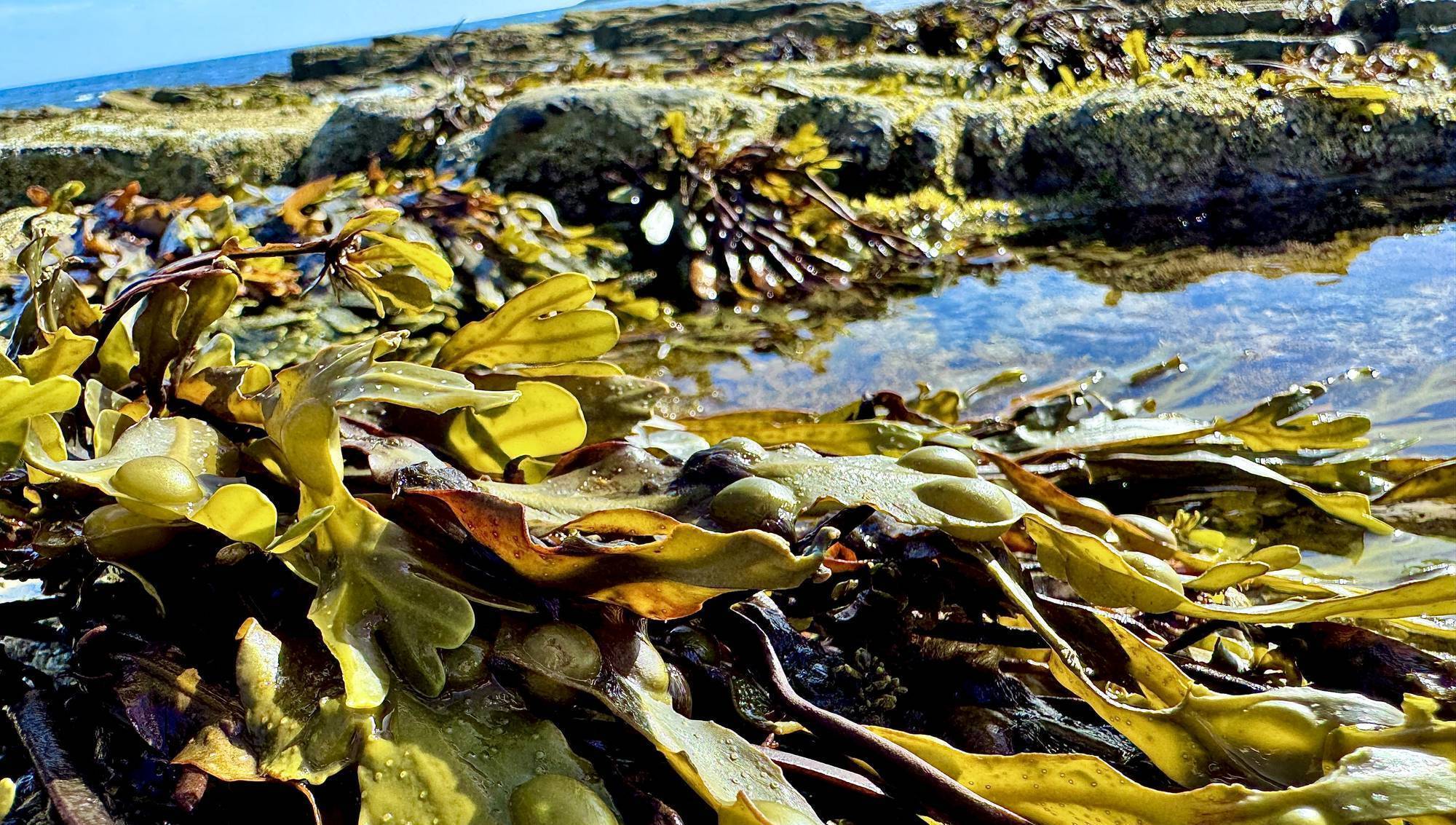
Around 40,000 tonnes of seaweed is harvested here each year, with over 95% naturally grown, according to Bord Bia. Picture: iStock
More people are becoming aware of the properties of seaweed, be it for health supplements, beauty products, or even hot baths.
While the seaweed industry has been expanding steadily in recent years, with obvious benefits for coastal communities, the real challenge will be to develop it further in a sustainable manner.
The recent launch of a range of health supplements by the Pure Ocean Algae company, in the Beara Peninsula, West Cork, underlines the potential of the industry. The products, derived from seaweed, are on sale here and in the UK, with plans to expand into the European and Asian markets.
Around 40,000 tonnes of seaweed is harvested here each year, with over 95% naturally grown, according to Bord Bia. Seaweed is rich in vitamins and minerals and is a source of protein and fibre.
It can be used in many dishes including sushi rolls, breads, stews, salads, soups as well as smoothies. It is also used in cosmetics, oils, soaps and skincare.
CLIMATE & SUSTAINABILITY HUB
The Clean Technology Centre, MTU, Cork, says that with increasing demand for sustainably-sourced raw materials, there’s great potential to grow the industry.
"Given the importance of seaweed to our marine ecosystems and fisheries, any expansion of the industry must be done in a way that protects this precious public resource for future generations,’’ the centre states.
Our ancestors had many uses for seaweed which they defended vigorously, often coming into conflict with landlords when shoreline resources were threatened. It was used as food by starving people during the Famine.
Seaweed also came in handy as a dye for wool, for treating open wounds and as a cure for colds when blended with hot water.
The national schools folklore collection from the 1930s contains a number of accounts. Sean O’Neill, a pupil in Urhan, Beara Peninsula, tells how different types of seaweed were used, long ago.
For example, people picked carrageen moss in summer and spread it on grass to dry until it turned white. They then boiled it before eating it. Other species of seaweed were used as fertiliser.
Lastly, for those who enjoy unusual treats, oily, seaweed baths might be just the thing. The Collins family have been running such a bathhouse in Ballybunion, County Kerry, for almost a century.
They say that bathing in salt water gives relief from muscular stiffness, and arthritic and rheumatic pain, while iodine from the seaweed acts as a natural antiseptic and its oils moisturise the skin. They handpick the seaweed daily and use seawater in the baths. From personal experience…truly refreshing!
CONNECT WITH US TODAY



Be the first to know the latest news and updates