Islands of Ireland: Kerry's Arbutus Island came in for high praise from romantic poet Percy Bysshe Shelly
The island is named for the 'strawberry tree' which grows in Cork, Kerry and Sligo as well as the Mediterranean
Islands of Ireland: Kerry's Arbutus Island came in for high praise from romantic poet Percy Bysshe Shelly

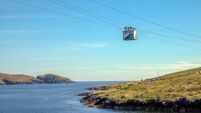
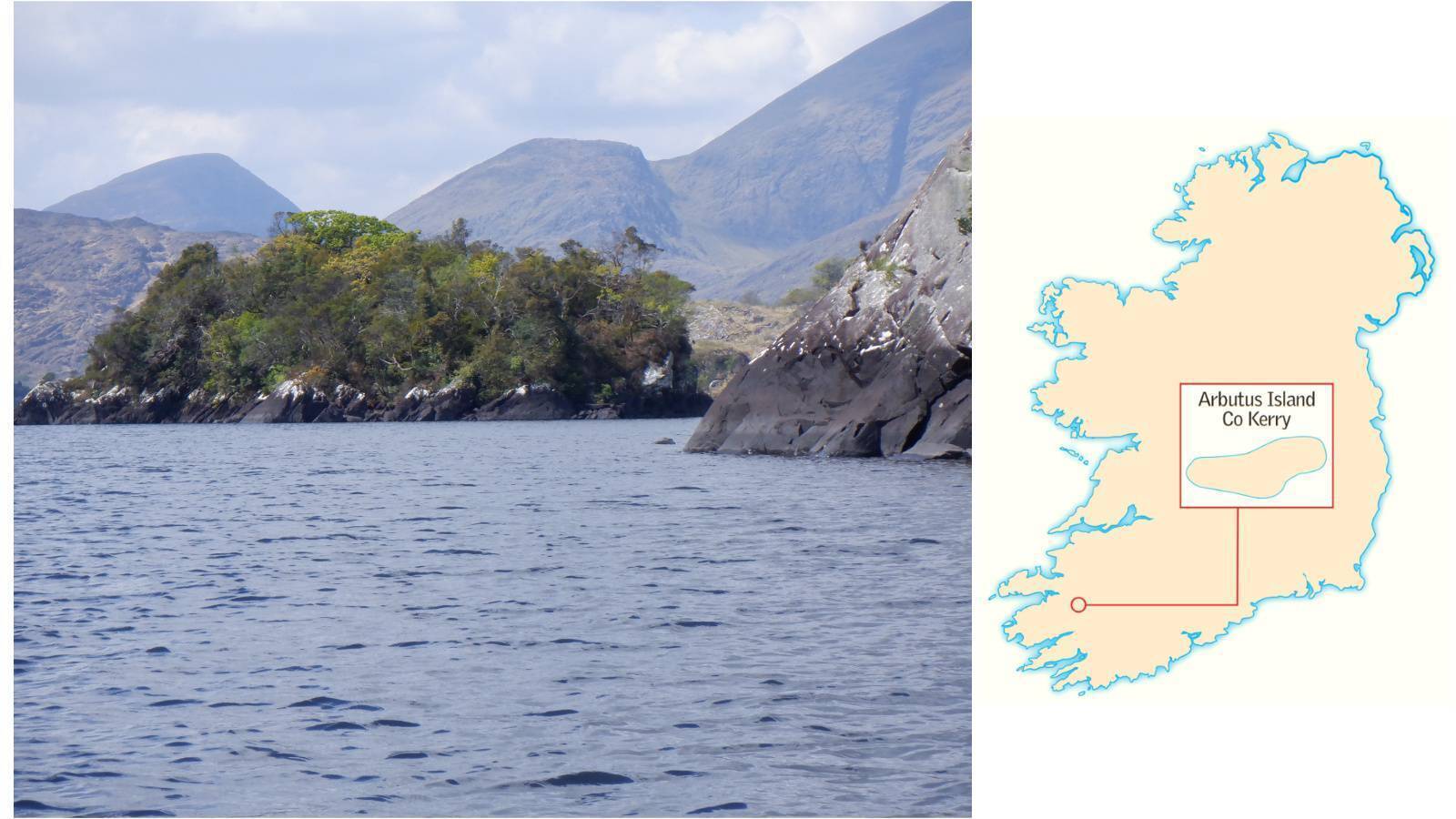
Arbutus Island, County Kerry. Picture: Dan MacCarthy

Its luscious red fruit is golfball-sized and hangs invitingly from its branches. This Mediterranean tree, Arbutus unedo, otherwise known as the strawberry tree or caithne, can also be found mainly in two Irish counties: Sligo and Kerry, with patches of the low-sized tree occurring in Glengarriff and elsewhere on the Beara Peninsula.
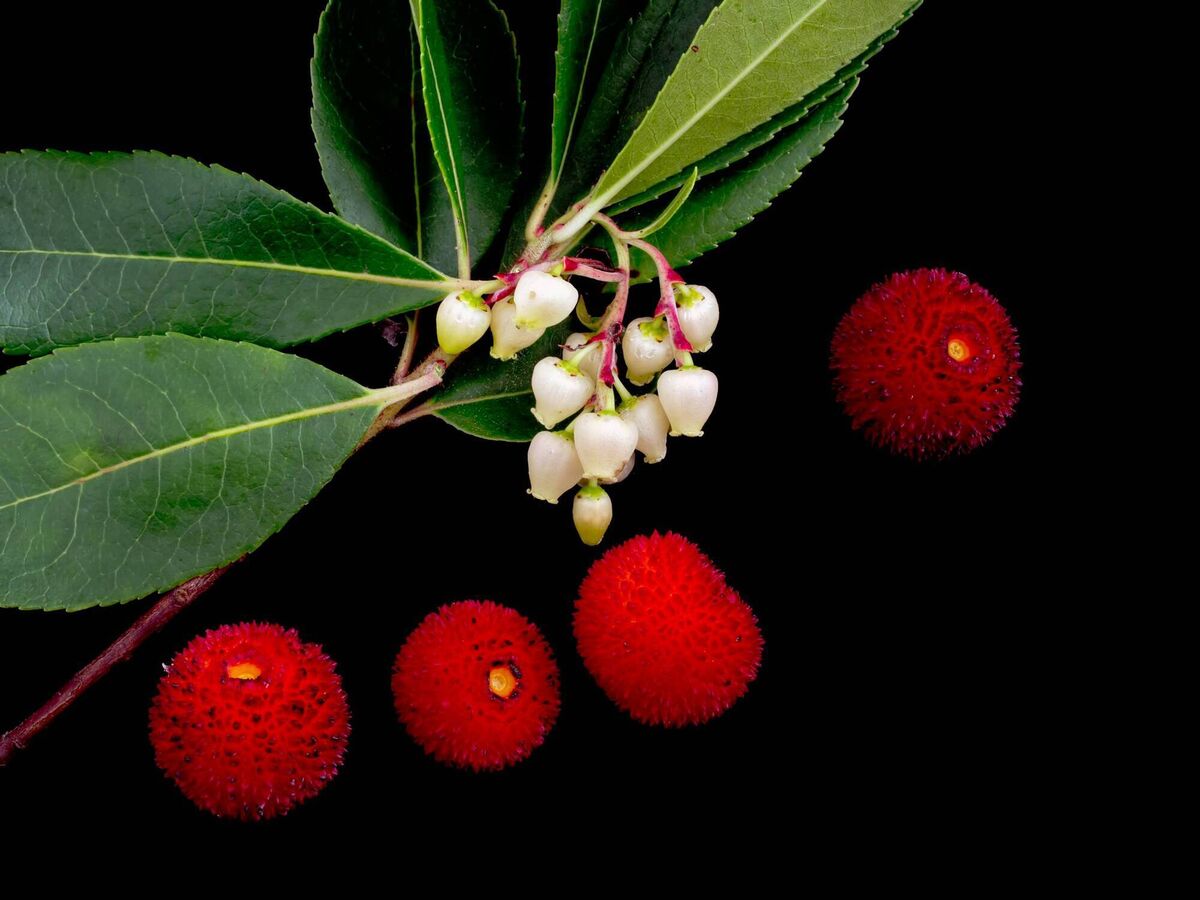

Native to the Mediterranean region and western Europe north to western France and Ireland. Strawberry tree /  strawberry arbutus / arbutus unedo

A 19th century reporter wrote of the characteristics of the tree: “The arbutus was known to the Romans and, and named by Pliny arbutus unedo, for its rich crimson strawberry-like fruit, is as disappointing to the palate as the apples of the Dead Sea, and he who has eaten one of its berries is never likely to eat another”.

In Kerry the tree gives its name to several islands where its distinctive form dominates the foliage. Today’s subject is in the Upper Lakes of Killarney’s famous trio of lakes (Lough Leane and Muckross are the other two). There is another Arbutus Island in Lough Guitane near Mangerton Mountain, a stone’s throw from Lough Leane, and it too is of diminutive size. There is no island named for this Lusitanian plant in Lough Gill, Sligo, but the botanist Robert Lloyd Praeger found examples of it on several islands there including Slishwood East and along the shoreline.

Two NUIG researchers, Micheline Sheehy Skeffington and Nick Scott, have plotted the prevalence of the tree across Ireland and mainland Europe (it does not appear in Britain) in recent research. While Sligo and Kerry have multiple extant trees there is possible placename evidence for its proliferation in several other places: Cappoquin, County Waterford where ‘quin’ is ‘quinche’ — land of the arbutus; Quinn, County Clare, also ‘land of the arbutus’. And back to Kerry, adjacent to one of the tree’s richest sites, Isknagahiny Lough or Eisc na gCaithne or ‘hollow with cliffs of the arbutus’.

Sheehy Skeffington and Scott argue that the tree is probably not native to Ireland but was introduced by copperminers from northern Iberia around 4,000 years ago in the Lough Leane area. The writers recognise that this does not explain its appearance in County Sligo.

The evergreen tree is categorised as ‘near threatened’ in an Irish context and it is just as well that it is generally far from interference from humans, or goats or deer, though the latter are known to swim to the islands of Killarney Lakes.

A third example of an Arbutus Island can be found in Killarney’s Upper Lake where boat trips from Ross Castle run. The arbutus produces its strawberry-like fruit in the autumn and its scented white flowers earlier in the year. It was a sight that inspired the English poet Percy Bysshe Shelley to exclaim on a visit to Lake Como near Milan, that: “This lake exceeds anything I have ever beheld in beauty with the exception of the Arbutus Island of Killarney”. The Romantic poet made the trip to the Kingdom in 1813 while the Italian trip was a few years later.

An Post stamp — part of a 2006 range featuring native trees of Ireland

Shelley probably did not visit the Arbutus Island in Lough Currane (Loch Luíoch or Loch an Choireáin), but it is no less beautiful than his ornate prose declared. This Arbutus Island is actually a pair of parallel, finger-shaped islets on the southeastern side of the lake. There are lots of other small islands scattered about there including Otter Island, Whort Island and Fur Island.

In the Upper Lake the group of islands which includes Arbutus includes a few which have featured here before (Ronayne’s, MacCarthy’s, Eagle) as well as Duck. Lewis’s A Topographical Dictionary of Ireland in 1837, described the scene around the islands thus: “the channels between which open to new and varied scenery, combining splendid panoramic views of rocks, woods and mountains, with numerous picturesque cascades and forming an assemblage of the sublimest and most romantic features of nature”.

Happily, those scenes from 187 years ago are just as captivating now as then.

How to get there: gapofdunloetraditionalboattours.com/boat-tours

killarneylaketours.ie

Kayaking permits available from killarneynationalpark.ie but powerhose kayaks in advance to stop spread of invasive species

Other: ‘Is the strawberry tree native to Ireland or was it brought by the first copper miners?’ Micheline Sheehy Skeffington and Nick Scott, British and Irish Botany 2021; A Topographical Dictionary of Ireland, Samuel Lewis, 1837

x

More in this section

Revoiced

Newsletter

Had a busy week? Sign up for some of the best reads from the week gone by. Selected just for you.

Cookie Policy Privacy Policy Brand Safety FAQ Help Contact Us Terms and Conditions

© Examiner Echo Group Limited