Islands of Ireland: Ronayne’s Island in County Kerry — once overrun by aristocrats — is in a pristine state
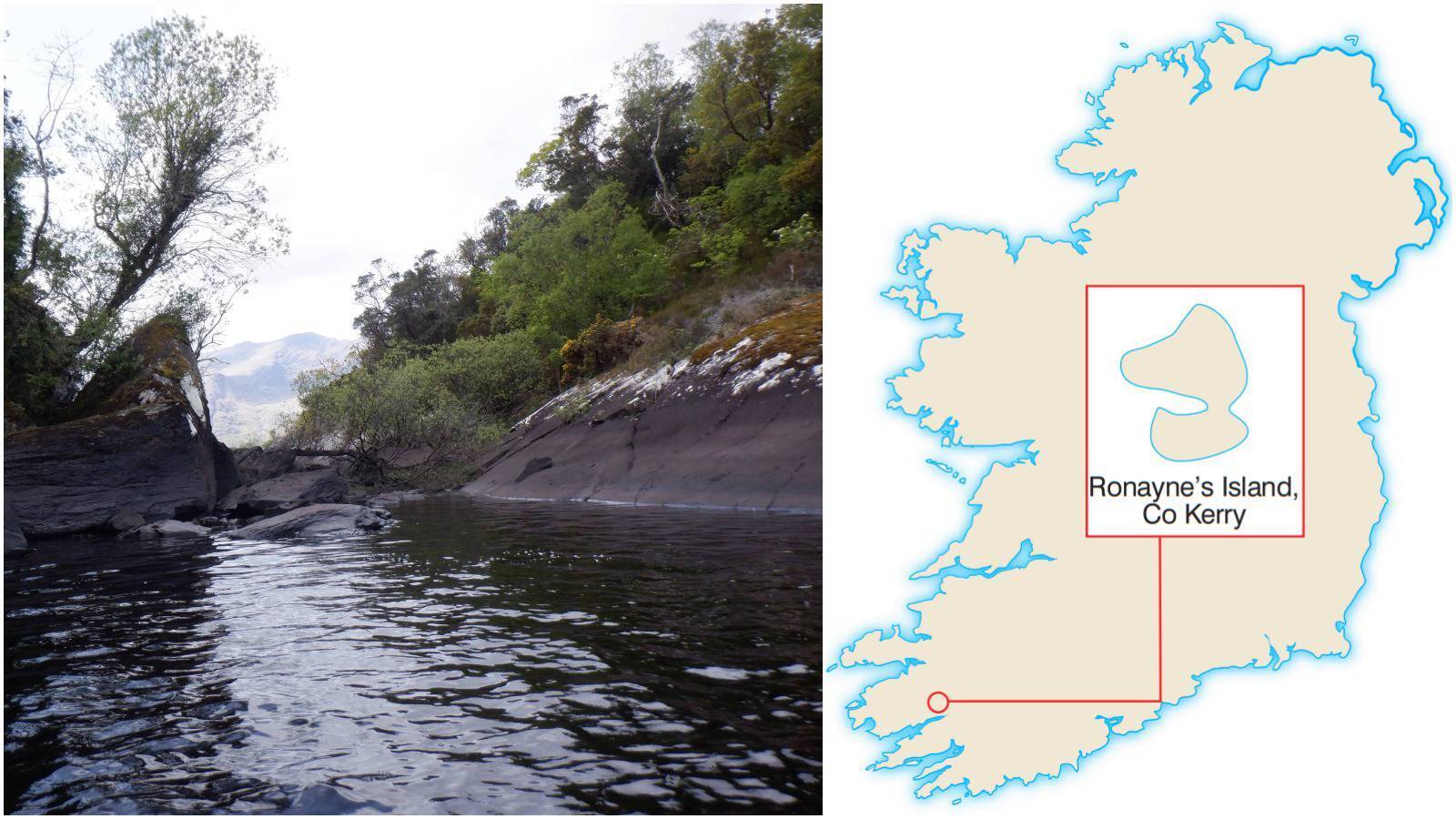
Islands of Ireland: Ronayne's Island, Upper Lake, Killarney in County Kerry. Picture: Dan MacCarthy
Killarney’s Upper Lake has eight named islands and a few others of smaller proportions which are not named.
Mind you, a couple of the smaller named ones are actually minute and owe their naming to the eccentric 19th-century habit of people paying a fee to have themselves immortalised. In Killarney’s case it was a Fr Murphy who facilitated the naming of many of the islands according to the antiquarian, Crofton Croker.
This octet of islands, spread over a couple of kilometres of glistening water (depending on the time of your visit, of course), are utterly magnificent in their splendid isolation. And it is this very isolation that has seen them prosper, says a National Parks and Wildlife ranger.
Where mainland woodlands such as at Derrycunnihy were clear-felled to fuel the furnaces of the tanneries and iron smelters in Killarney, the islands of the Upper Lakes were left in their virgin state as felling them would not have been worth the effort.
“The mainland woodlands would all be even-aged with a high dominance of oak in them whereas there is a far more diverse age structure and diverse plant structure on the islands that were never exploited. Plus, you don’t have the grazing deer or goats so they are in quite a good healthy state as woodlands go,” says the ranger.
Ronayne’s Island lies at the centre of a cluster of other islands: McCarthy’s Island, Duck Island, Juniper Island and Eagle Island. The eponymous Ronayne was reputed to have been an eccentric aristocrat who lived on the island subsisting on fishing and hunting. He was a mathematician and said to be a close friend of Isaac Newton.
What is true for Ronayne’s is true for its neighbours, says the ranger: “There isn’t a huge problem with rhododendron on those islands because there isn’t a huge infestation. We get the boat out every so often and knock out whatever is coming up with hatchets and then treat them.”
So the islands have effectively been in this pristine state for the last several thousand years. “The fantastic thing about those islands is that they were never exploited or interfered with. They would be closer to what a natural temperate Irish woodland should look like if there hadn’t been interference, exploitation or grazing,” he says.
There are a lot of challenges between deer and goats and fire trying to manage the woodlands says the ranger, but the islands of the Upper Lake largely do not have this problem. A sika calf and hind were recently seen on Ronayne’s Island here but this is a rare event in itself. Without interference, the trees can thrive: arbutus, mountain ash, common ash, oak, yew, juniper and birch predominate. Juniper is seen on most of the cluster which is a departure from its dearth on the mainland. “There is not so much juniper on the mainland as deer like to thrash it with their antlers as there is a sweet fragrance from it,” explains the ranger.
Ronayne’s Island is actually two islands almost linked. It is surprisingly high and largely impenetrable. Abundant examples of water lily lie beneath the surface, naturally occurring in still water, and surround the islands like pale green underwater lanterns.
The Lakes of Killarney and environs were once a hotbed of deer-hunting, the spoilt pastime of the aristocracy. An account in the Freeman’s Journal in 1833 saw the hunt take in Ronayne’s Island. The newspaper described a “splendid amusement for the entertainment of visitors”. Every vehicle was in motion, it said occupied by everyone from “the haughty aristocrat to the humble clod of the valley”.
The newspaper told how “the lord of the valley had to bestir himself to escape from his pursuers”. The occupants of a boat called The Erin captured the stag and brought him to Ronayne’s Island and “allowed him to take the soil”. The animal was then brought to the shore and captured again after a short hunt as bugles on the pursuing boats played out “Irish and Scottish pipes, a half dozen village Paganinies and Dutch melodies”.
: While permits are available to kayak on the lake, landing on the islands is discouraged owing to the very sensitive habitats there. gapofdunloetraditionalboattours.com/boat-tours
Permits available from killarneynationalpark.ie


CONNECT WITH US TODAY



Be the first to know the latest news and updates