Donal Hickey: Locals and volunteers with a wealth of knowledge at heritage sites

Allihies Copper Mine Museum. Picture: Tara Hanley
People travelling around the country often pass worthy attractions of environmental and heritage value while on their way to higher profile, more commercial destinations.
It was one of those rare, Heaven-sent days in August when the sun beamed down brightly, lighting up the fuchsia and montbretia on the roadsides between photogenic villages such as Adrigole, Eyeries, Ardgroom, and Tuosist.
The Allihies museum is in an old Methodist church built for Cornish miners who came to work in the area. In 1812, rich copper deposits were found there and mining continued until the 1880s.
At its peak, upwards of 1,600 people worked in the mines, undoubtedly one of Ireland’s biggest industrial sites in those days. Working and living conditions were dire, with scant respect for life and limb. Each dwelling in the village had at least 25 inhabitants.
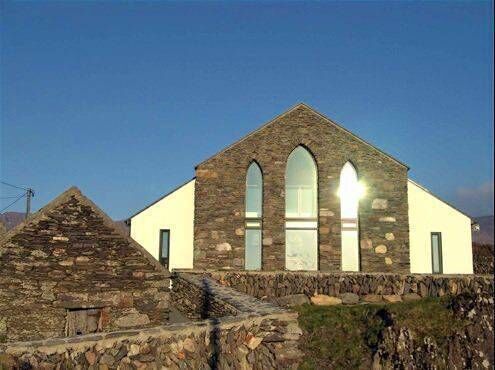
Guide Tadhg O’Sullivan gave an absorbing account of some outstanding engineering feats to extricate copper from deep in the ground. Ruins of the engine houses still stand on hillsides around Allihies, commanding outstanding views of Dursey, the Bull Rock, and the distant Skelligs far out in the Atlantic.
There’s another unusually tangible reminder of mining days, as Tadhg pointed out — the beach in Allihies was man-made from mining debris, as the coarse sand, mixed with quartz, reveals.
When the mines closed towards the end of the 19th century, many miners emigrated to America, mainly to Butte, Montana, where families with prominent Beara surnames such as O’Sullivan and Harrington still live.
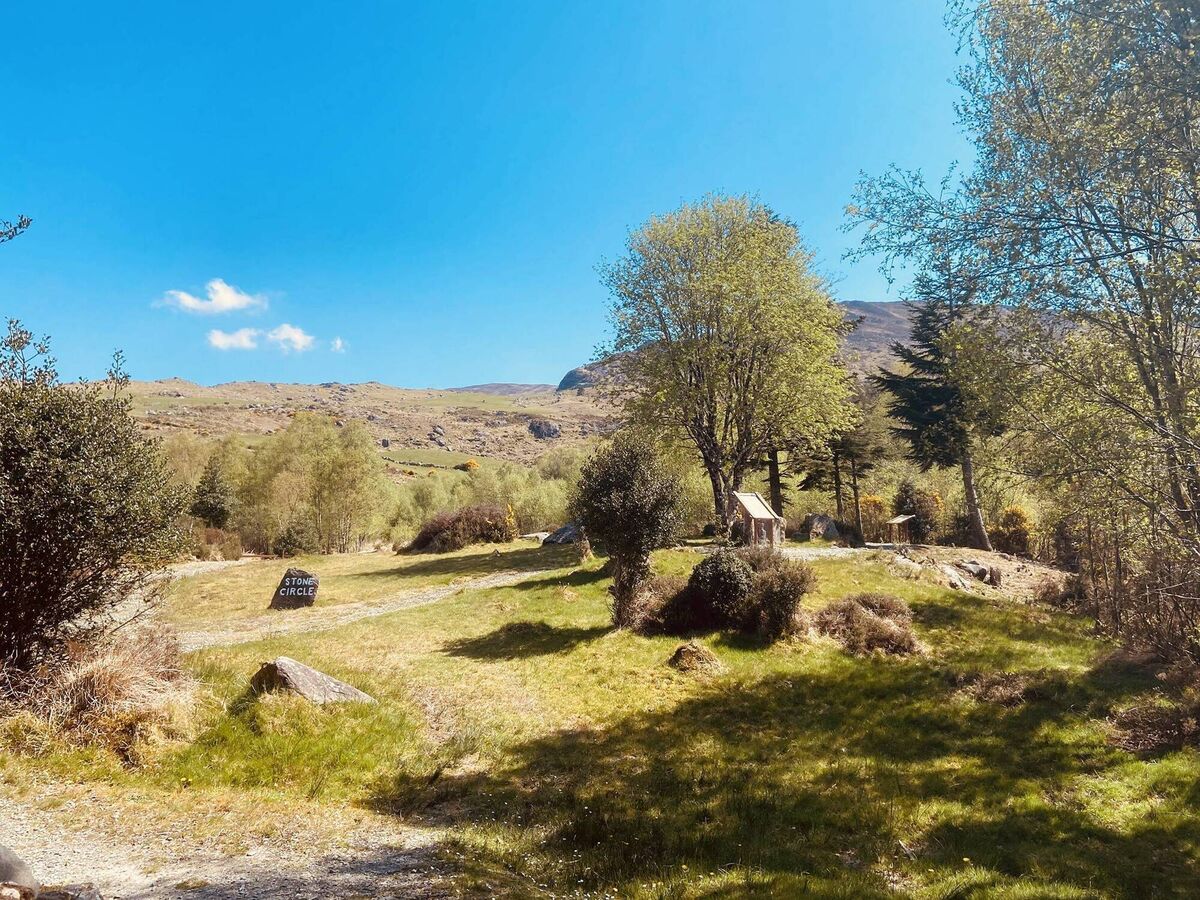
Bonane Heritage Park, between Kenmare and Glengarriff, has around 250 archaeological sites, some dating back 5,000 years. Many have been opened up to the public thanks to the initiative of local people like Danny O’Connor, our guide on the day, including standing stones, a ring fort, the ruin of a one-room Famine dwelling, and bullaun stones which may have been used to mark astrological alignments.
There’s also a fine example of a stone circle with seven alignments to the moon and sun. Danny, a farmer who has lived all his life in Bonane, recalled a discovery he made on a frosty December morning, in December 1999.
He was stunned to observe that the stone circle, a rectangular stone on the horizon, and a bullaun stone are all in a straight line with the rising sun.


CONNECT WITH US TODAY



Be the first to know the latest news and updates