Saving the planet, one label at a time
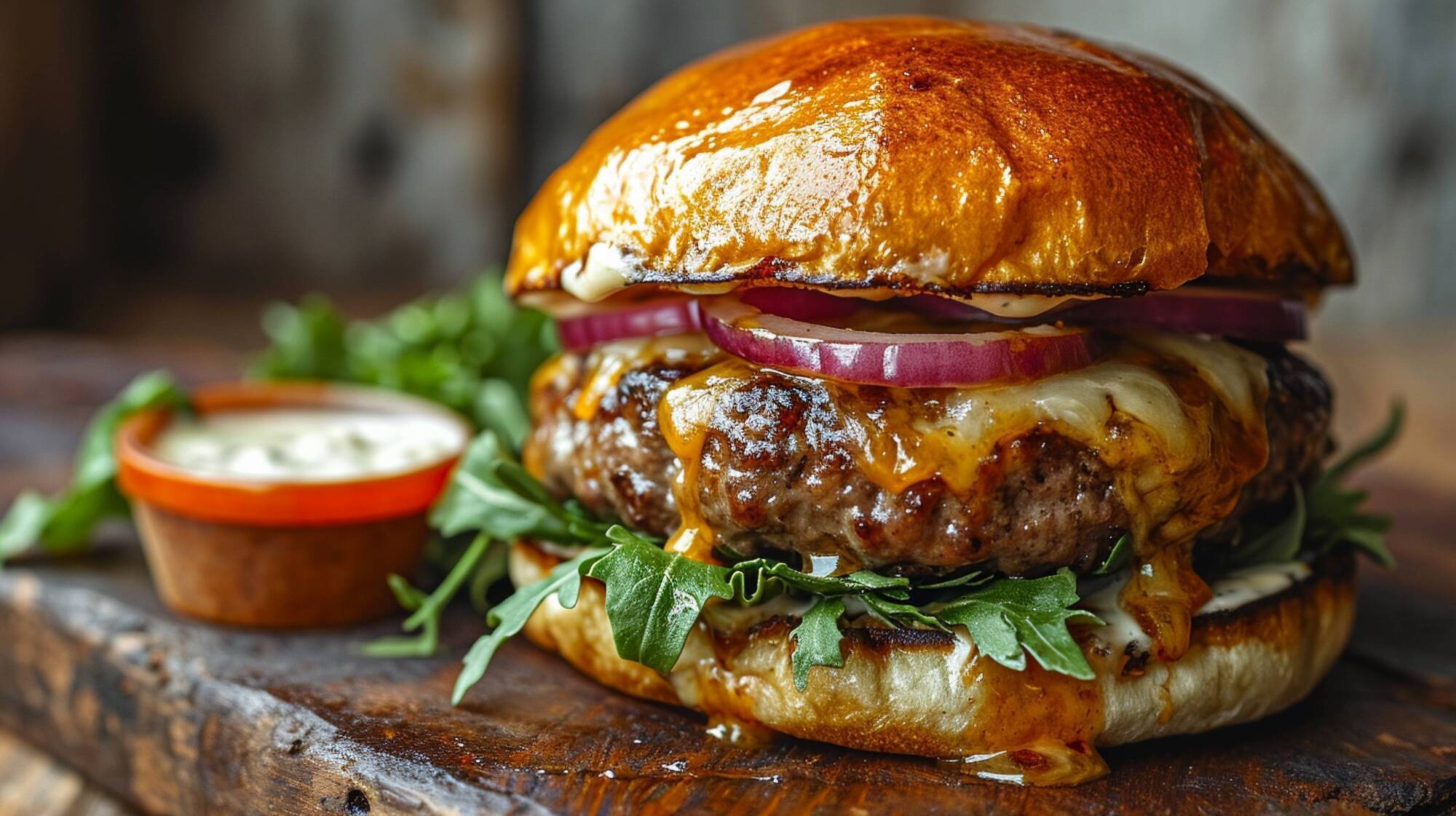
Michelle McKeown: "Call it a plant-based patty, or a meatless burger or a veggie burger. Environmental systems are unimpressed by symbolism. Rivers do not care what products are called. Ecosystems recover only when pressures are actually reduced. The climate does not read packaging."
Environmental policy has reached an odd moment in its life cycle. The problems it is meant to address such as climate change, biodiversity loss, polluted waters, have never been clearer, more urgent or better evidenced.
And yet, some of the debates taking place under the banner of environmental action feel strangely… small. Not wrong, exactly. Just small.
This is not because nothing serious is happening. Quite the opposite. Across Ireland and Europe, governments are grappling with emissions targets, renewable energy rollouts, land use reform and nature restoration. These are complex, slow and politically awkward processes, unfolding largely out of public view.
Alongside them, however, sits a parallel stream of environmental policymaking that is far more visible, far more digestible, and far less consequential. These are the policies that are easy to announce, easy to explain and easy to argue about. And it is here that environmental action occasionally tips from the necessary into the faintly ridiculous.
To be clear (because this matters) vegan burgers were never banned. No plant-based patties were seized. No supermarket shelves were emptied. What has happened, repeatedly, is a series of earnest discussions and proposals, including within the European Parliament, about whether plant-based foods should be allowed to use words like 'burger' or 'sausage'.
The issue is labelling, not prohibition, and the concern is supposedly consumer confusion.
This is a fascinating claim. It assumes that shoppers are wandering through supermarkets, accidentally buying chickpea patties under the sincere belief that they came from an animal. That someone might bite into a clearly labelled 'plant-based burger' and experience genuine surprise.
Anyone who has ever bought one knows this is unlikely. The packaging is explicit. The ingredients are listed, and they’re usually located in a different section of the supermarket. The choice is usually deliberate, occasionally virtuous, sometimes hopeful. Confusion is not the crisis here.
What is interesting is not the argument itself, but the attention it receives. At a time when food systems are among the largest contributors to greenhouse gas emissions, land pressure and biodiversity loss, environmental policy found itself debating vocabulary. It is difficult to escape the sense that we were rearranging the menu while the kitchen was on fire.
If the burger debate feels familiar, it’s because it belongs to a wider genre of environmental action: highly visible, emotionally satisfying, and environmentally modest.
Plastic straws are the classic case. Their restriction was sensible and largely symbolic, but straws make up a tiny fraction of plastic waste.
The real culprits are packaging, construction materials and short-lived consumer goods. These are harder to regulate, less photogenic and far more politically awkward. So, we went after the straw. It felt like progress. It wasn’t nothing. But it wasn’t the solution either.
Tree planting has followed a similar path. Targets are announced, numbers are celebrated, saplings are photographed. Less attention is paid to where those trees are planted, what habitats they replace, or whether they improve biodiversity or carbon storage.
Planting trees is not inherently beneficial. Planting the right trees in the right places is.
Yes, and this is where the story becomes more interesting. Ireland and the EU are not neglecting environmental reform. Climate targets are legally binding. Renewable energy infrastructure is expanding. Peatlands are being restored. Water quality is monitored with forensic precision. None of this is trivial.
The problem is that this work is slow, contested and often invisible. It does not lend itself to neat headlines or quick wins.
By contrast, symbolic measures are fast, tidy and communicable. They are politically safer and publicly legible.
The result is a strange imbalance: structural environmental change grinding forward in the background, while debates about labels, straws and numbers dominate the foreground.
Environmental systems are unimpressed by symbolism. Rivers do not care what products are called. Ecosystems recover only when pressures are actually reduced. The climate does not read packaging.
Public trust, however, is more delicate. People can tell when environmental action feels cosmetic rather than consequential. Over time, that breeds cynicism, not just about individual policies, but about environmental action itself.
And that is a problem. Because the serious work, the slow, disruptive, necessary work depends on public consent, patience and engagement. When trivial debates steal the spotlight, even good policy suffers by association.
Perhaps environmental policy needs a simple filter: 'does this meaningfully reduce environmental harm?'. If the answer is no, or if it requires several paragraphs of explanation to justify its relevance, then perhaps it does not deserve centre stage.
This is not an argument against small measures, nor a plea for perfection. It is an argument for proportion. For recognising the difference between action that feels good and action that actually matters.
And if that means letting a bean patty keep the word 'burger' while we focus our political energy on land use, emissions and ecosystem recovery, that seems like a reasonable trade.
After all, the planet has never been especially interested in semantics. It responds only to what we do, not what we call it.

CONNECT WITH US TODAY



Be the first to know the latest news and updates