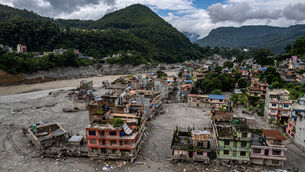
Islands of Ireland: A tiny pebbled beach on Sligo's Fairy Island
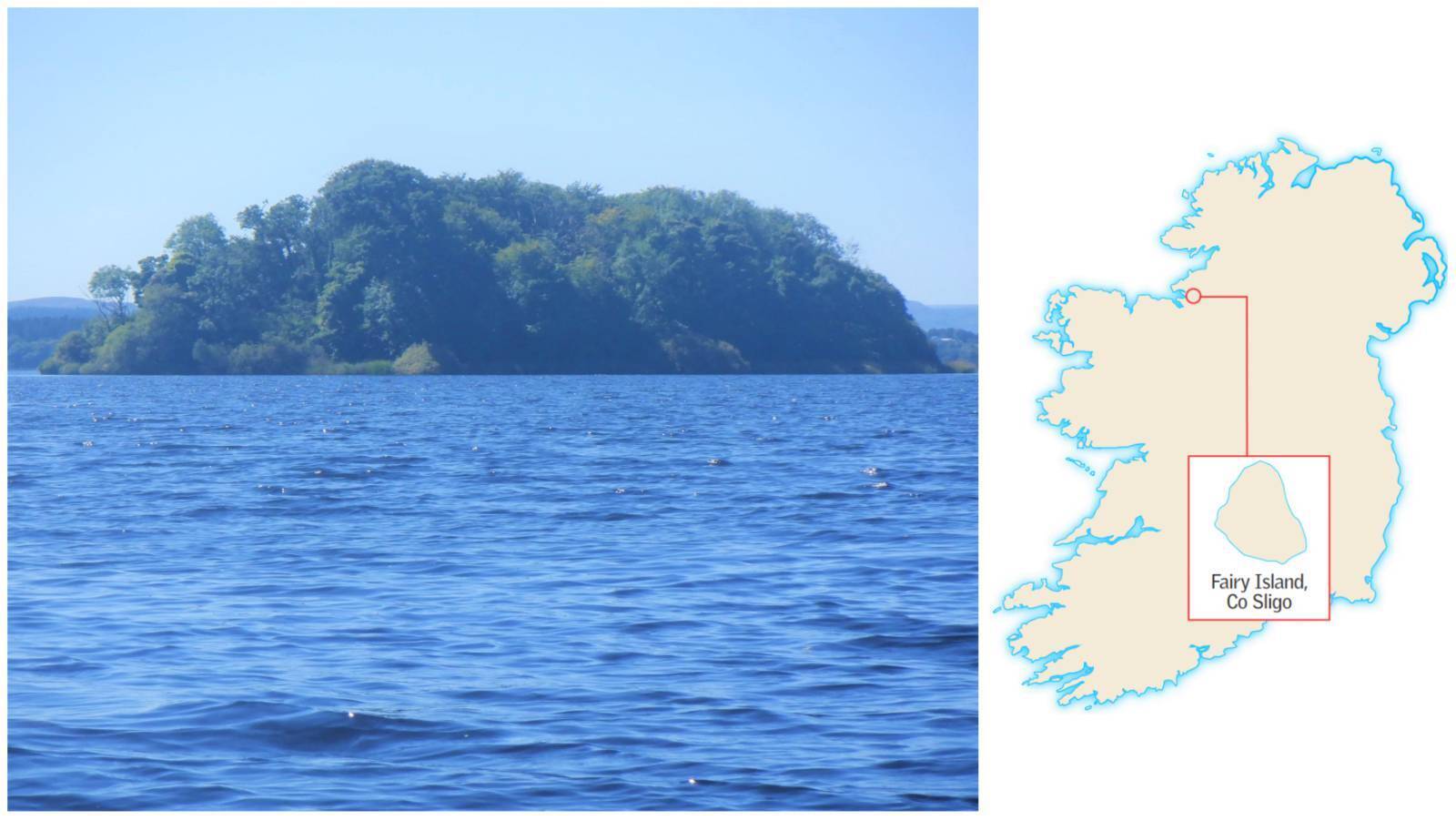
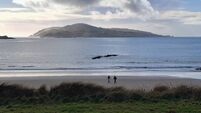
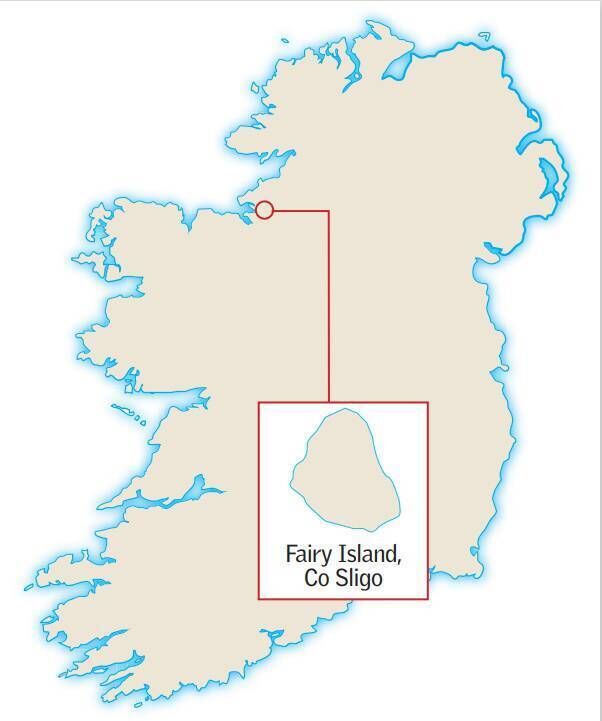
Islands of Ireland: Fairy Island, aka Oileán na Síog, is a small island in Lough Gill, County Sligo. Picture: Dan MacCarthy
Fairies abound in the place names of County Sligo. Fairy Island, or Oileán na Sióg, is a small island in Lough Gill about 4km east of the town.
Knocknashee, the Hill of the Fairies, is a hill in the Ox Mountains appropriately furnished with a ringfort, in which fairies, of course, domiciled. The Abbeyquarter stone circle also known as the Garavogue Fairy Fort, overlooks the River Garavogue in the town. And the Fairy Glen is a small valley underneath Knocknarea Mountain.
So the fairies have penetrated the names of the hills, valleys and islands and they also populate the writing of a certain WB Yeats. In 1888 he wrote and a few years later , and .
The poems ‘A Faery Song’, and ‘Island Fairies at Evening’ mention the sprites directly in the title. And of course, they suffuse his wider work too. When Yeats’s mother Susan brought the family to live in Sligo in 1872 the children were exposed to the rich folklore of household staff, workmen and boatmen: ‘It seemed that everyone in Sligo talked of fairies’, the poet later recalled.
Being acquainted with every nook and cranny of Lough Gill it is entirely likely that Yeats visited Fairy Island and not just that he knew of it. In ‘The Stolen Child’, he writes:
The Slewth Wood is in fact Slish Wood on the south of the lough and so chosen by the poet for sonorous reasons, say critics. There are a few islands in the vicinity of this wood, Slishwood Island East and West, as well as the immortal, eponymous, Inishfree.
So the fairy vats were hidden on one of these islands rather than Fairy Island itself but the locus can be applied to any of the lough’s 20 islands and, in fact, the very name of Fairy Island may have suggested to Yeats the idea for The Stolen Child. He was a frequent visitor to the huge Church Island adjacent to Fairy Island so the possibility of a quick visit to the island with his boating party is entirely probable.
If he did go there it would not have taken him too long to look around its 1.5 acres. A tiny pebbled beach allows a small boat to drift up on the shore and a subsequent foray into this magical place.
An almost impenetrable canopy (in summer, winter is a different story) of deciduous forest lies above a surprisingly clear forest floor. On many such islands neck-deep undergrowth prevents exploration.
Here though, a very pleasant hour or two can be spent simply being and forgetting about the world. Through the foliage can be seen the huge Church Island and the small Monk’s Island.
Just across the water is the 18th-century Palladian mansion Hazlewood House whose architect Richard Cassels, also designed Leinster House. Yeats was a regular visitor to the estate. The house was the family seat of the Wynne family whose estate included Fairy Island and some of the other islands.
The hazel woods of the estate are possibly the source for Yeats’s Song of Wandering Aengus:
And cut and peeled a hazel wand
And hooked a berry to a thread
The English name for Fairy Island dates from at least 1819 and the Grand Jury Map of Sligo by the engineer William Larkin.
The conclusion of the first stanza of ‘The Stolen Child’ encapsulates Yeats’s desire for freedom from the travails of life and may very well have been written about Fairy Island.
: For tours on Lough Gill:
roseofinnisfree.com
adventuregentlyireland.com
sligokayaktours.com
: , Wordsworth; , Kevin Connolly, O’Brien;
CONNECT WITH US TODAY



Be the first to know the latest news and updates