Anja Murray: River recovery is possible — failure is not an option
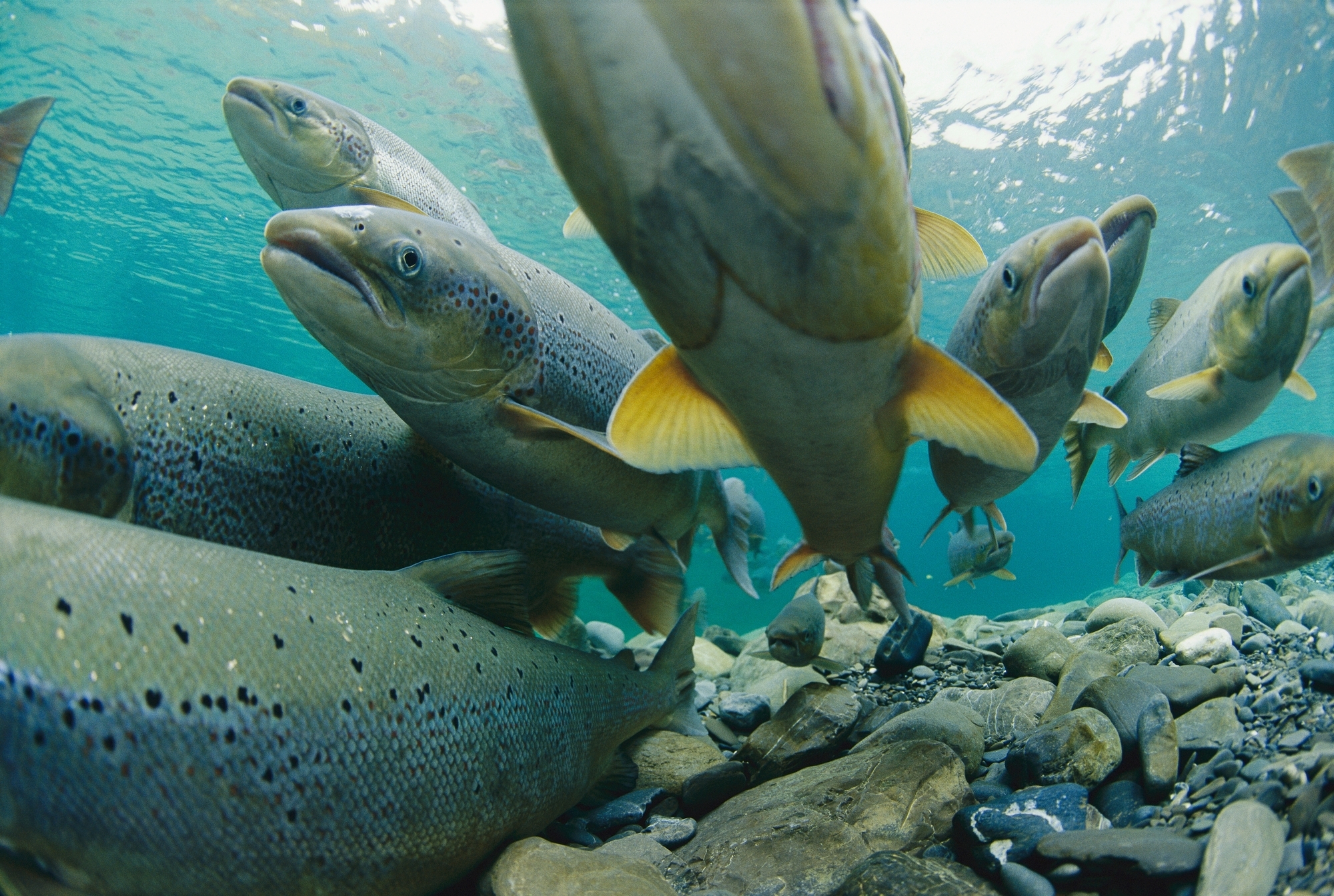
This is the time of year when Atlantic Salmon try to return to the streams where they were born. Picture: Paul Nicklen/National Geographic/Getty Images
In September, migrating Atlantic Salmon are returning to the streams where they were born. Some have spent just a year at sea. For others, which have spent several years in the North Atlantic, their journey home can take more than a year to complete, covering distances of 3,000 km!
Despite decades of research, scientists still don’t fully understand how Atlantic Salmon navigate their way across thousands of miles of open ocean. Once they get here, they are able to smell the waters of their exact natal river, distinguishing between the subtly different waters of neighbouring tributaries.
Acclimatising from salty seawater to fresh water is not easy. This is why, in September, salmon linger a while in the mix of fresh and salty water where the river meets the sea and can be seen squirming and jumping about in estuaries and inlets, sometimes even leaping out of the water. But their instinct to spawn in the same place they themselves came from overpowers the discomfort.
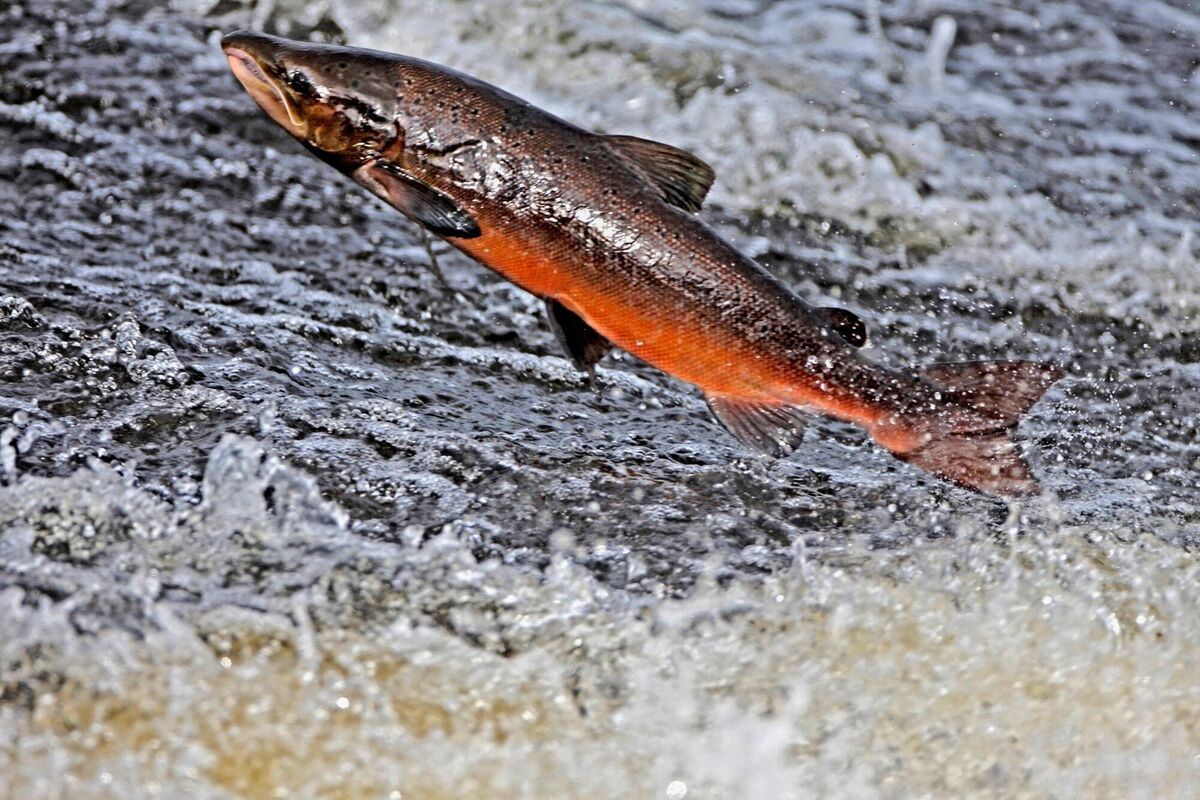
As they travel upriver, salmon encounter a wealth of wildlife along the way. Energetic otters play on the riverbanks, diving in and out of the water, catching crayfish, trout and sometimes, salmon. Elegant herons perch patiently on an overhanging branch of a well-positioned tree. Kingfishers dart overhead, a seldom seen flash of azure, turquoise and cobalt. Eels linger cryptically between the rocks and crevices of the river bed.
For this last part of their epic journey, spawning salmon don’t eat at all. Instead, they are sustained by the rich fatty flesh that they have built up during years at sea. And still they are energetic enough to swim against the flow and leap up over rapids and waterfalls.
But both the seas where salmon mature and the rivers that they have been returning to for thousands of years have now been utterly transformed by human activity. For every 100 salmon smolts leaving Irish rivers, up to 30 used to return to spawn. In recent years only 6 or 7 of every 100 return. There is a range of factors driving the collapse of wild Atlantic Salmon. Climate change is causing food resources for salmon out at sea to shift. By-catch on the high seas has been a factor too. Compared to the 1970s, only a fraction of Atlantic Salmon is surviving out at sea.
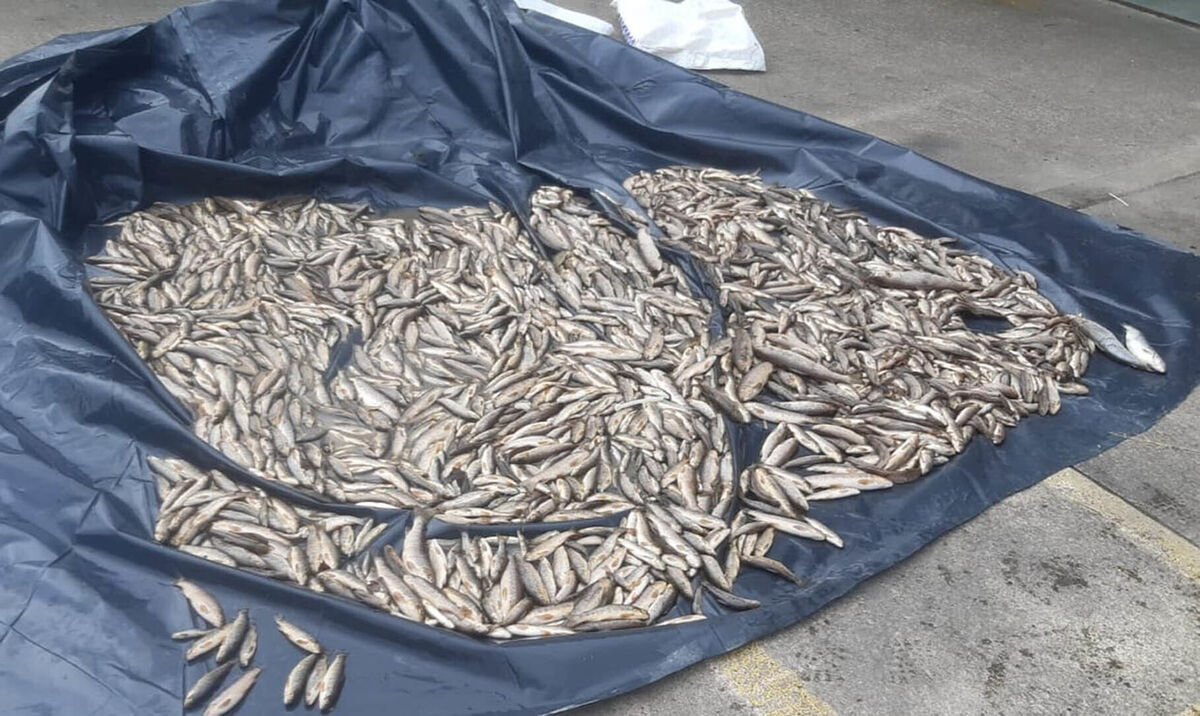
Those that do manage to return are then faced with their river habitats being impossible to navigate and spawn in. Barriers to migration block their way; dredging removes spawning habitat and water quality isn’t up to scratch for successful spawning.
Barriers to migration include damns, weirs, culverts, road crossings and bridge aprons. Many of the thousands of barriers are small features that prevent salmon and other migratory species from being physically able to travel upstream. They can cut off the upper reaches of many rivers where for thousands of years, Salmon have returned to spawn. Other migratory fish, including eel, trout and lamprey are also affected.
Just over 6,000 potential barriers have been identified by Inland Fisheries Ireland. Most of these are bridge aprons and culverts. The good news is that many of these barriers are small and feasible to remove. However, a more energetic, well-resourced response is needed from the authorities. This will be a major task in the coming years.
Dredging that takes place as part of arterial drainage works is a major problem. When rivers are dredged, aquatic habitats are obliterated. Pools, shallows, eddies, and riffles, essential salmon habitats, are scooped away. Banks are left exposed so that sediment will keep on getting washed into the river bed, smothering the stony substrates that salmon need to spawn among.
Healthy rivers also need well-oxygenated water. When excess nutrients enter waterways, in particular from sewerage effluent, farmland manure and agricultural fertilisers, these give rise to higher levels of algae which in turn consume the oxygen contained in the water. High concentrations of nitrogen and phosphorous make many of our rivers inhospitable for spawning salmon and their ecological associates.
So many people are passionate about salmon in particular. Conservation organisations, angling clubs and community groups all over Ireland are coming together to restore healthy rivers. Successful restoration means that at least the salmon which do return can spawn, as they have been doing for thousands of years.
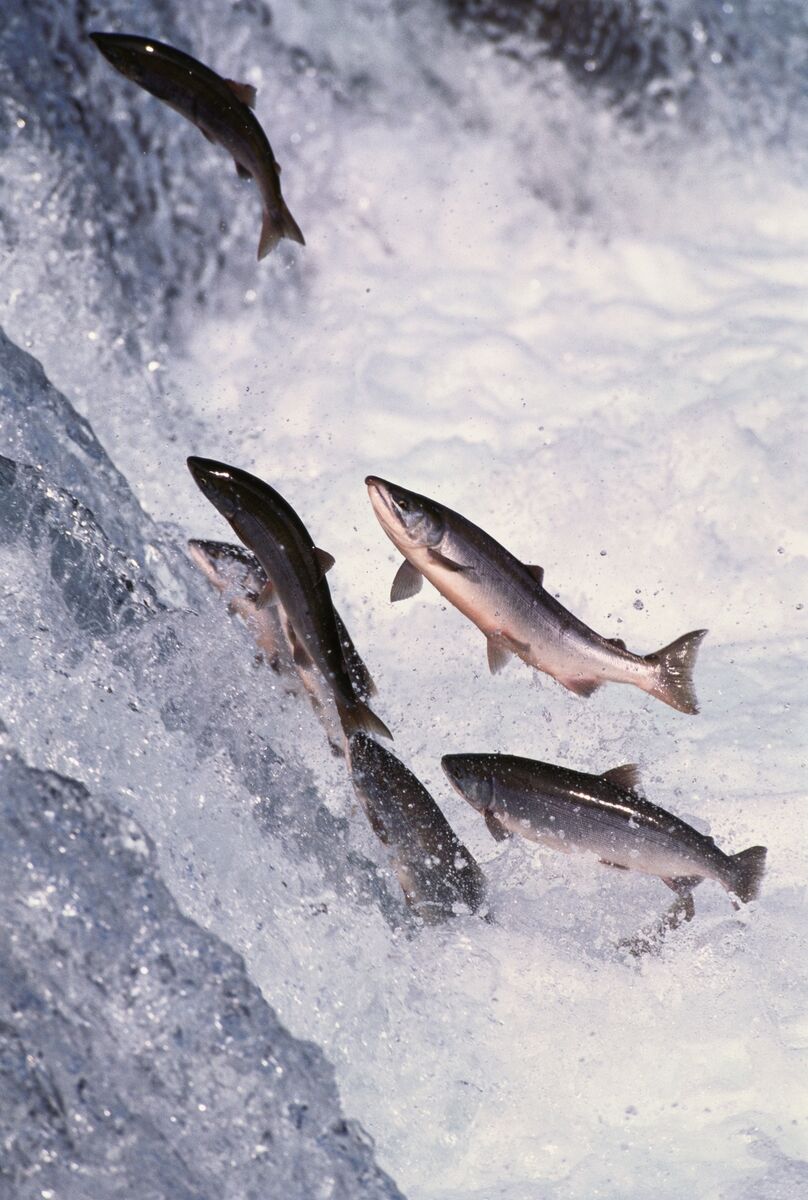
River restoration involves reinstating in-stream spawning habitats, for which there is excellent guidance available. Native vegetation is being planted to stabilise banks, preventing erosion and consequent sedimentation. Removing invasive species such as Himalayan Balsam is necessary too.
All these restoration efforts require enormous dedication and sustained people power as well as investment. The European Habitats Directive require the restoration of natural habitats for Salmon and lamprey, giving legal impetus to address the challenges. The Water Framework Directive requires that migration is not disturbed. But as with so many conservation efforts, positive results will be limited by continued damage from both dredging and nutrient enrichment from agricultural runoff. Every time we look into a river, the water is different. Once the excessive influx of agricultural fertilisers is halted, rivers can recover quickly. If we don’t address this without further excuses and delays, precious species like salmon are left with no chance of recovery. And if we continue the current national dredging programme, there’s little chance that healthy ecosystems will return.
Wild Atlantic salmon have incredible strength and agility in overcoming seemingly insurmountable obstacles. Their amazing endurance has inspired legends across the world. They are an iconic species, deeply embedded in our culture. They have provided humans with sustenance since the very first people arrived in Ireland. It is not surprising that salmon feature so strongly in our folklore, poetry and literature.
Now, the story of their decline and the complexities involved in restoring rivers reflects the challenges we face for so many wild species and habitats. But knowing that recovery is possible, we must do all we can. Failure is not an option.

CLIMATE & SUSTAINABILITY HUB
CONNECT WITH US TODAY



Be the first to know the latest news and updates